
“I’m not taking this from television!” — David Muir challenges Trump’s Springfield accusation with official evidence during a tense presidential debate
A presidential debate watched by millions suddenly turned into a confrontation over an accusation involving immigrants, missing pets, and a small Ohio city.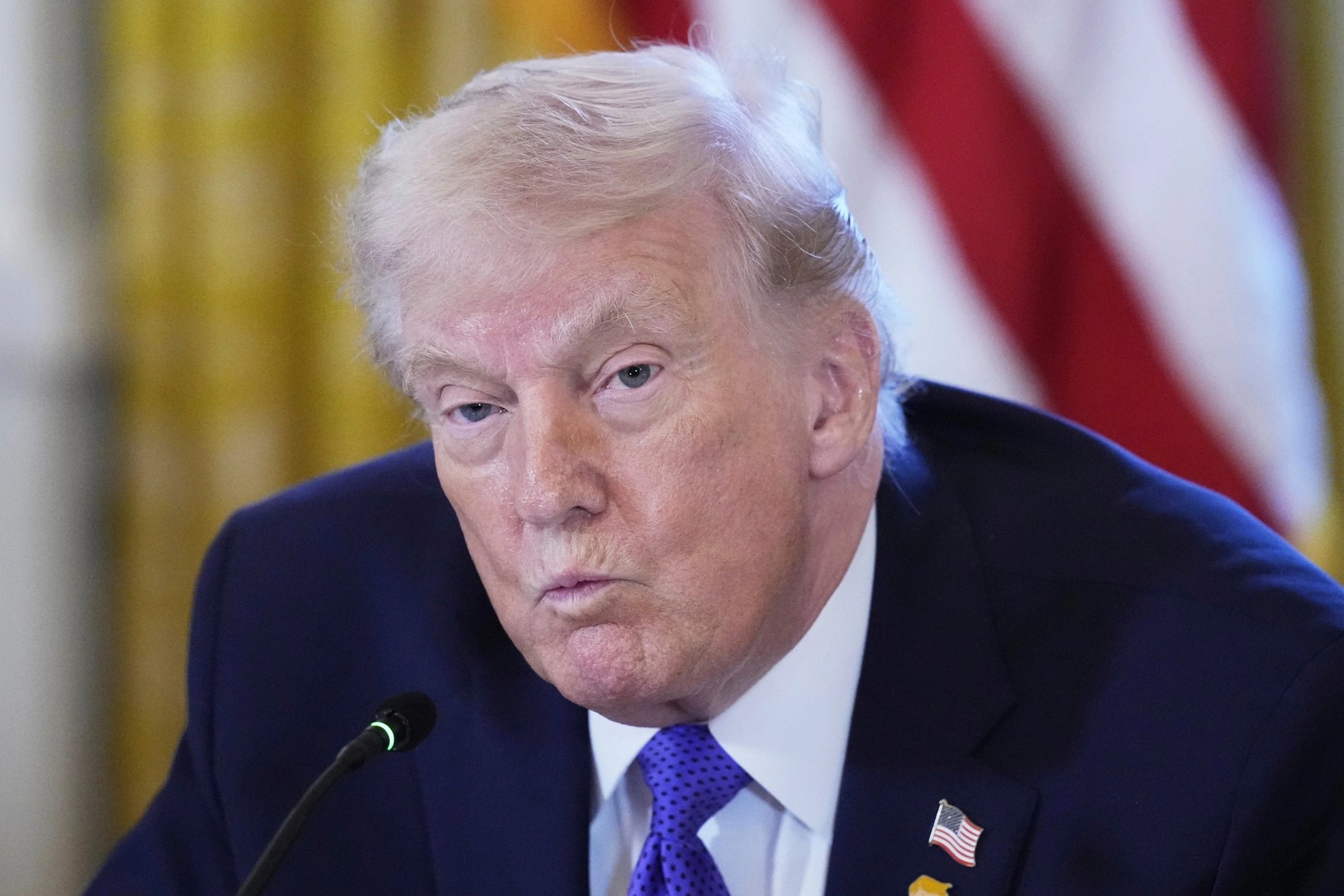
On September 10, 2024, Donald Trump made an extraordinary claim about Haitian immigrants living in Springfield, Ohio, during his debate with Kamala Harris.
He alleged that immigrants were taking and eating household pets, repeating a story that had already circulated widely across social media.
The accusation was delivered during a nationally televised debate about immigration, border security, and the future direction of American government.
But ABC News moderator David Muir had information that directly challenged Trump’s account.
Before the debate, the network had contacted Springfield officials to determine whether local authorities possessed credible evidence supporting the circulating allegations.
The answer contradicted the story Trump had repeated.
City officials reported no credible evidence that immigrants were stealing, harming, or eating residents’ household pets.
Muir presented that information to Trump, but the former president refused to abandon his accusation.
Instead, he pointed toward people he claimed to have seen discussing the matter on television.
Then Muir delivered the response that defined the exchange.
“I’m not taking this from television. I’m taking it from the city manager.”
The confrontation exposed a fundamental disagreement about how political claims should be evaluated when national figures repeat alarming allegations about identifiable communities.
Trump relied on televised accounts, while Muir cited information obtained directly from local government officials.
But the larger story extended beyond the debate stage.
The Springfield allegations had originated in online rumors, and the available evidence told a very different story from the one presented to viewers.
The consequences became increasingly serious as the city found itself dealing with national attention, threats, and growing concern among local residents.
September 10, 2024+1
1. Trump makes the Springfield accusation during a nationally televised debate
The debate took place at the National Constitution Center in Philadelphia, where Trump and Harris faced questions about major national issues.
Immigration was among the central subjects, with Trump criticizing the Biden administration’s border policies and presenting immigration as a national security concern.
Harris challenged Trump’s campaign rhetoric and invited viewers to examine the atmosphere surrounding his political rallies.
Trump responded by discussing immigration and describing what he believed was happening in American communities experiencing increases in migrant populations.
He specifically identified Springfield, Ohio, as an example of the problems he associated with immigration.
Then he made the allegation that immediately shifted attention away from conventional policy disagreements.
Trump claimed that immigrants were consuming residents’ pets, including dogs and cats.
The statement transformed a rumor that had been spreading online into an assertion delivered during one of the most prominent events of the presidential campaign.
It was a serious accusation because it portrayed a particular immigrant community as engaging in disturbing criminal behavior.
The claim also carried potential consequences for Haitian residents who had no connection to the alleged conduct.
The immediate question was whether reliable evidence existed to support Trump’s description.
Muir did not allow the accusation to pass without addressing what ABC News had learned from Springfield officials.
The moderator explained that the network had contacted the city’s leadership before the debate.
He then summarized the official response.
Authorities had received no credible reports supporting the allegation that immigrants were harming or eating household pets.
This was not simply another politician offering a competing opinion.
Muir was presenting information from officials responsible for understanding and responding to local public safety concerns.
That distinction became central to the confrontation because Trump had not identified a verified police report or official finding supporting his claim.
Yet he continued arguing that televised accounts provided a reason to believe the allegation.
The exchange created a direct dispute between publicly repeated stories and information gathered from local authorities.
And it raised a question that neither candidate could resolve through political rhetoric alone.
What evidence did Springfield actually possess, and how had the allegation become a national talking point?
Transcripts+1
2. David Muir challenges Trump with Springfield’s official account
Muir’s response came from information supplied by Springfield City Manager Bryan Heck and other city representatives before the debate.
On September 9, 2024, Springfield officials had already addressed rumors accusing immigrants of stealing and consuming pets and wildlife.
Their response was direct.
They reported no credible complaints or specific allegations establishing that members of the immigrant community had harmed residents’ household animals.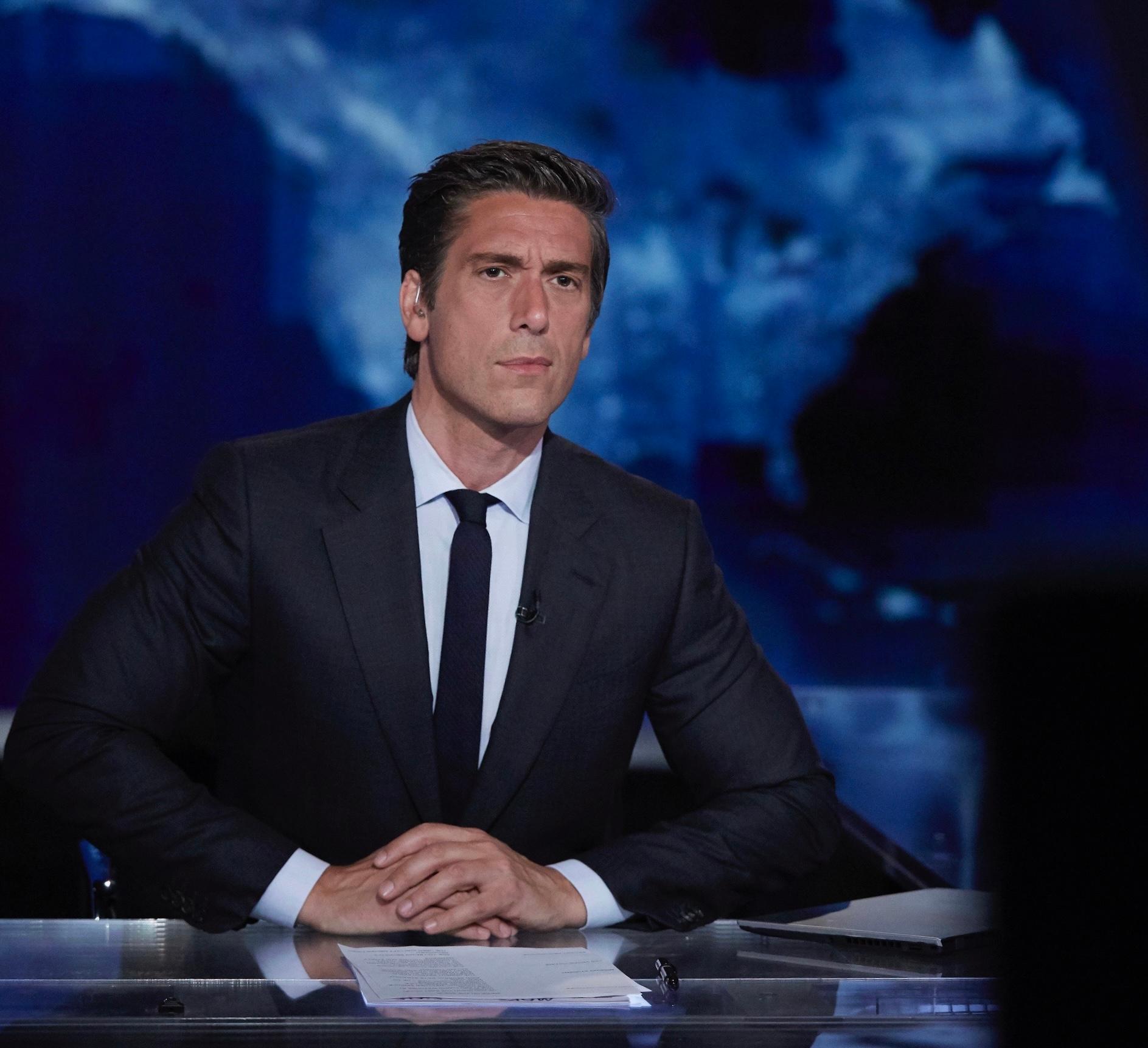
Springfield police had likewise indicated that they possessed no reports substantiating the widely circulated claims.
This information mattered because local law enforcement agencies would ordinarily be among the first institutions contacted about reported animal theft or abuse.
Muir used the city’s response to challenge Trump’s assertion during the live broadcast.
Trump answered that he had seen people discussing the alleged incidents on television.
He also suggested that the city manager might have reasons for publicly rejecting the allegations.
But he did not introduce a police document, identified criminal complaint, or independently verified incident contradicting the city’s statement.
Muir continued referring to the official account rather than accepting the televised anecdotes as sufficient confirmation.
The moderator’s response drew attention to an essential difference between a person repeating an allegation and evidence establishing that the allegation occurred.
Television interviews can provide useful information, but their claims still require evaluation when they concern specific allegations of criminal behavior.
Likewise, an official statement should be assessed according to what local authorities actually investigated and what information was available to them.
Springfield officials were not claiming that every imaginable incident involving animals had been conclusively disproved.
They were saying that no credible reports supported the specific allegations being circulated about the city’s immigrant residents.
That narrower conclusion was important because it accurately described the available evidence without claiming knowledge of every possible event.
Trump’s televised references did not overcome that evidentiary limitation.
When Muir repeated the city manager’s position, the dispute reached its central point.
Trump wanted viewers to consider accounts he believed supported the allegation.
Muir wanted viewers to recognize that the responsible local authorities had not verified those accounts.
The debate eventually moved on, but the official statement had already established a clear factual distinction.
The Springfield allegation had reached the presidential debate without credible evidence from the city’s own authorities supporting it.
September 10, 2024+2
3. The online rumor contained details that did not survive verification
The allegation had not originated as a verified finding from Springfield police or a documented government investigation.
It spread through social media posts describing supposed incidents involving pets, geese, and other animals.
One widely circulated account described a claim allegedly passed through several people before reaching the person who posted it.
The story involved a supposed discovery of a dead cat at a Haitian neighbor’s property.
But the account lacked the firsthand documentation necessary to establish that the alleged incident had occurred.
Photographs and videos circulated alongside related claims, creating the appearance that multiple pieces of visual evidence supported the accusations.
Independent fact-checkers examined those materials and found significant problems.
One widely circulated photograph showed a man carrying a bird, but the image was not taken in Springfield.
Another video involved a woman accused of harming a cat in Canton, Ohio, a different city.
That incident did not establish that Haitian immigrants in Springfield had committed the alleged conduct.
The distinction was particularly important because images from unrelated events can appear convincing when presented beside an emotionally charged accusation.
Readers may reasonably assume that an accompanying photograph depicts the incident described in the surrounding text.
When the image comes from another location or involves unrelated individuals, that assumption becomes misleading.
PolitiFact examined the circulating allegations before the debate and found no credible evidence supporting the claims.
Reuters independently reached a similar conclusion after examining the allegations and statements from local authorities.
Both investigations distinguished the existence of online rumors from the existence of verified incidents.
The rumors nevertheless gained attention when prominent political figures began repeating them.
Trump’s running mate, Senator JD Vance, amplified related allegations on social media shortly before the debate.
Other influential commentators also discussed the claims, helping them reach audiences far beyond Springfield.
By the time Trump repeated the story nationally, the allegation had already acquired political significance despite the lack of substantiating evidence.
The decisive problem was that repetition did not produce independent verification.
A claim appearing in several posts or broadcasts can still originate from the same unsupported account.
Without reliable documentation, those repetitions do not establish that the alleged events happened.
The evidence available before the debate therefore presented a consistent picture.
The story was circulating widely, but Springfield authorities had no credible evidence supporting its central allegation.
PolitiFact+2
4. Springfield’s real immigration challenges were different from Trump’s allegation
The controversy attracted additional attention because Springfield was experiencing genuine challenges associated with significant population growth.
The Ohio city had welcomed thousands of Haitian immigrants in recent years, many of whom arrived seeking employment and stability.
Local employers had attracted workers to available jobs, contributing to changes in the city’s population and economic activity.
The increase placed additional demands on housing, education, health care, and other public services.
City officials had discussed those pressures before the presidential debate brought Springfield into the national spotlight.
These concerns were legitimate subjects for public discussion because rapid population changes can create difficult planning decisions for local governments.
Officials needed to consider resources for schools, emergency services, medical facilities, transportation, and communication with residents speaking different languages.
However, none of those challenges established that Haitian immigrants were stealing or eating household pets.
The distinction between documented public-service pressures and unsupported criminal allegations was central to Springfield’s response.
City Manager Bryan Heck criticized the way misinformation had distorted the national conversation about his community.
He acknowledged that rapid population growth had placed real demands on schools, health care, and first responders.
But he argued that sensational rumors were distracting attention from those practical problems.
His position reflected the difficulty local officials faced when national political arguments overshadowed the issues they were actually managing.
Springfield needed discussions about housing availability, infrastructure, employment, and funding.
Instead, its immigrant population was being associated with accusations that local authorities had not substantiated.
The controversy also revealed why accurate descriptions of immigrant communities matter in public debates.
People can disagree about immigration policies without attributing unsupported criminal conduct to an entire group.
Likewise, acknowledging that immigration places demands on public services does not require accepting every allegation circulated about newcomers.
Those are separate questions requiring different evidence.
The city manager’s statement did not claim that Springfield had experienced no difficulties connected with population growth.
It specifically rejected the unsupported accusations involving pets while emphasizing the need to address genuine local challenges.
This distinction made the official account more informative than the simplified narrative presented during the debate.
Springfield’s problems involving resources and infrastructure were real, but those challenges did not validate the circulating pet-eating allegations.
Yahoo+2
5. The dispute creates an important test of evidence and political responsibility
The exchange between Trump and Muir illustrated how different standards of evidence can produce sharply conflicting interpretations of the same allegation.
Trump treated televised accounts as grounds for continuing to discuss the alleged incidents.
Muir relied on information provided directly by Springfield’s city manager.
The difference was not simply whether a statement came from television or a government office.
It concerned whether the underlying information had been independently checked and supported by relevant records.
A televised witness can sometimes provide credible firsthand evidence of an event.
A government official can also make statements that deserve further examination when conflicting evidence emerges.
Neither category should be accepted automatically without considering the available facts.
But during the debate, Trump did not present verified evidence capable of overcoming Springfield’s official denial.
That was the central limitation of his argument.
The burden of establishing an allegation rests with the person asserting that the alleged conduct occurred.
In this case, the assertion concerned criminal behavior attributed to members of a specific immigrant community.
Such an accusation requires particular care because it can affect public perceptions of people who have no involvement in wrongdoing.
Muir’s intervention also raised questions about the responsibilities of journalists moderating nationally televised political debates.
Moderators must allow candidates to explain their positions while maintaining an accurate public record when factual claims are disputed.
Providing a documented correction can help audiences distinguish established information from unverified assertions.
However, moderators must avoid replacing careful verification with personal political judgments.
The Springfield exchange offered a clear example of a fact-check based on information gathered before the debate.
ABC News had contacted local officials, and Muir identified the source of the information when challenging the claim.
That made the exchange different from an unsupported argument between competing political personalities.
The moderator’s statement could be assessed against Springfield’s public record and independent reporting.
Trump’s response could also be assessed according to whether he supplied evidence confirming the alleged incidents.
The available reporting supported the local officials’ account rather than the accusation.
And the story’s consequences demonstrated that the disagreement extended far beyond the presidential debate stage.
6. Threats and evacuations reveal the human consequences of the Springfield controversy
Within days of the September 10 debate, Springfield experienced a wave of threats targeting public institutions and community facilities.
On September 12, a bomb threat prompted the evacuation of city government buildings.
Additional threats followed, affecting schools and other locations throughout the community.
Officials responded by evacuating buildings, conducting security checks, and coordinating with law enforcement agencies.
The threats increased anxiety in a city already struggling with unexpected national attention.
By September 17, officials reported more than thirty hoax threats involving schools, government buildings, and other facilities.
Ohio Governor Mike DeWine announced additional security measures, including state police support for Springfield schools.
Authorities said many of the threats originated overseas, emphasizing the importance of investigating their actual sources rather than assuming responsibility.
The timing nevertheless demonstrated that the city faced serious disruption after becoming the subject of intense national controversy.
Schools had to respond to threats instead of concentrating exclusively on education.
Public officials were required to devote resources to security and emergency planning.
Haitian residents also reported increased fear and harassment as the allegations circulated.
The people affected included workers, families, children, and local businesses whose daily routines had become entangled in a national political argument.
These consequences cannot be reduced to a simple claim that one debate statement directly caused every subsequent threat.
Investigators must establish responsibility for criminal threats through evidence about the individuals involved.
Nevertheless, the sequence demonstrated how a city can experience significant public disruption when unsupported allegations attract national attention.
It also illustrated why local officials repeatedly urged people to distinguish documented community concerns from misinformation.
The threats created additional expenses and administrative burdens for institutions already confronting pressures associated with population growth.
Springfield’s leadership consequently sought assistance addressing security needs and maintaining essential public services.
The city’s experience became an example of the practical challenges confronting local communities when political narratives spread faster than verified information.
The dispute was no longer confined to whether a presidential candidate had accurately described events during a debate.
It now involved the ability of public officials to protect residents, preserve normal operations, and respond to fears generated by national attention.
The allegations had not been substantiated, but the disruption experienced by Springfield’s residents and institutions was documented
7. The official evidence resolves the central question behind Muir’s confrontation
The central question raised during the presidential debate was whether credible evidence supported Trump’s accusation about Haitian immigrants in Springfield.
The available record provided an answer before Trump and Harris even appeared onstage.
Springfield officials had already reported that they possessed no credible complaints or specific allegations substantiating the supposed incidents.
Independent fact-checkers had examined widely circulated stories and found that key supporting materials were either unverified or unrelated to Springfield.
Muir’s fact-check relied on this established information rather than an unsupported personal assertion.
Trump responded by referring to televised accounts, but he did not provide verified documentation contradicting the city’s position.
That distinction remained the most important fact about the exchange.
The debate continued, and the national campaign moved toward other issues, but Springfield remained the subject of intense public attention.
Subsequent reporting revealed threats, emergency responses, increased security, and continued concern among the city’s Haitian residents.
Those developments gave the controversy a significance extending beyond the accuracy of a single presidential debate statement.
They demonstrated how unsupported claims concerning an identifiable community can become entangled with genuine public safety concerns.
They also reinforced the need to distinguish political interpretations from specific factual allegations.
Trump and his supporters were entitled to debate immigration policy, government spending, and the effects of population growth on local communities.
Residents and public officials were equally entitled to demand evidence before accepting accusations that particular groups were committing serious acts.
The official record did not establish that every question about Springfield’s immigration challenges had been answered.
It did establish that the widely circulated pet-eating allegation lacked credible supporting evidence.
That was precisely the issue Muir addressed during the live debate.
The moderator had contacted local authorities and presented their findings to viewers.
Trump had repeated accounts from television without producing documentation sufficient to contradict those findings.
The resulting confrontation therefore turned on a measurable difference between an allegation and substantiated evidence.
The most consequential details were not hidden in a secret file or an unpublished investigation.
They were available in Springfield’s official statements and in independent reporting published before and after the debate.
David Muir’s challenge did not depend on winning a political argument; it depended on accurately reporting what Springfield authorities had established.
The city had real problems requiring public attention, including housing, schools, health care, and the effects of rapid population growth.
But the specific allegation that Haitian immigrants were taking and eating residents’ pets was not supported by credible evidence.
That distinction remains the essential conclusion of the September 10, 2024, exchange.
Trump repeated the allegation, Muir cited the city’s findings, and the evidence supported the official account rather than the televised rumor.
