
WASHINGTON — Senator John Kennedy has delivered a sharp warning to Republican leaders following the party’s losses in the 2026 midterm elections, demanding immediate legislative action before Democrats assume control of Congress.
The Louisiana Republican rejected suggestions that the election results represented an ordinary political setback.
Instead, he argued that voters had delivered a message about affordability, government performance, and the failure of elected officials to address everyday financial concerns.

Kennedy insisted that Republicans should use their remaining weeks in power to advance legislation rather than quietly accept defeat.
His proposed agenda includes energy permitting reform, additional military funding, stronger federal anti-fraud measures, restrictions on congressional stock trading, and changes to housing-related taxes.
But one unexpected proposal has attracted particular interest.
Kennedy also wants greater transparency surrounding individuals who receive money to help secure presidential pardons.
His proposal would require paid pardon advocates to register with the federal government, potentially exposing financial relationships that currently receive limited public scrutiny.
The idea has introduced a new dimension to a debate already dominated by economic concerns and Republican disagreements over legislative priorities.
Yet the senator faces a significant obstacle.
Senate Republican leaders have questioned whether there is sufficient time and political support to pass another major legislative package.
Kennedy believes the remaining congressional session offers one final opportunity to demonstrate that his party understands why voters rejected its candidates.
The question is whether Republicans can transform that urgency into legislation before the political balance in Washington changes.
Kennedy Refuses to Accept the Election Defeat
On November 11, 2026, Kennedy appeared on Fox News with Sean Hannity to discuss the consequences of the midterm elections.
His comments were notably critical of members of his own party.
Rather than blaming the results exclusively on unfavorable political conditions, Kennedy challenged Republicans who were dismissing the losses as a predictable midterm pattern.
He argued that the party’s problems extended beyond the ordinary difficulties faced by the president’s party during congressional elections.
Kennedy believed Republican leaders needed to acknowledge the dissatisfaction expressed by voters.
His criticism focused particularly on the suggestion that the outcome could be explained by supporters simply remaining at home.
The senator pointed toward working Americans who had participated in the election but supported Democratic candidates.
He described those voters as people concerned about rising costs, household finances, and the ability of Washington politicians to deliver meaningful improvements.
Kennedy argued that Republicans could not recover politically without understanding those concerns.
In his view, the party needed more than promises about future elections.
It needed to demonstrate a willingness to act while still possessing legislative authority.
The senator’s remarks also revealed frustration with colleagues who appeared prepared to focus on the next congressional term.
Kennedy maintained that the remaining weeks should be treated as an opportunity rather than a period of political retreat.
His argument was straightforward.
If voters believed Republicans had failed to deliver sufficient results, lawmakers should use their remaining authority to address those concerns.
Kennedy’s approach placed him in conflict with party leaders who were focused on completing essential legislative business.
That disagreement became the central political question surrounding his proposals.
The 50-Day Deadline Creates Pressure on Republican Leadership
Kennedy repeatedly emphasized the limited time remaining before the next Congress convened in January 2027.
He argued that Republicans should maximize the final weeks of their congressional majorities.
The approaching transition created a deadline for legislation requiring Republican control of the congressional agenda.
Kennedy supported efforts by Senator Rick Scott to keep lawmakers working through the remainder of the year.
Scott had encouraged Republicans to extend their legislative schedule rather than allowing the lame-duck session to become a period of limited activity.
Kennedy agreed that Congress should consider additional working days if necessary.
However, Senate Majority Leader John Thune faced a complicated legislative calendar.
The chamber still needed to address government funding, defense legislation, nominations, and several unresolved policy disputes.
Republican leaders also had to consider whether major proposals could attract enough votes to pass.
Kennedy’s preferred agenda included measures that would require substantial drafting, negotiation, and budgetary analysis.
A new reconciliation package would be especially complicated.
Such legislation must comply with Senate procedural rules and satisfy requirements concerning its budgetary effects.
Kennedy acknowledged that his proposals faced resistance from party leadership.
He indicated that obtaining permission to pursue the broader legislative package had become a significant obstacle.
That admission changed the character of his public criticism.
The senator was not simply demanding that Democrats accept Republican priorities.
He was challenging fellow Republicans to explain why certain measures should not receive consideration before January.
The disagreement exposed competing approaches to the party’s remaining legislative authority.
Some lawmakers favored completing essential business and avoiding an overloaded calendar.
Kennedy argued that the party should pursue a more ambitious agenda despite the limited time available.
Neither approach guaranteed legislative success.
But the debate forced Republican leaders to confront questions about which unfinished priorities deserved immediate attention.
Energy Permitting Reform Becomes the First Major Test
One of Kennedy’s leading priorities is legislation intended to accelerate federal approval of energy and infrastructure projects.
The senator argues that lengthy permitting procedures can increase construction costs and delay investments needed to expand domestic energy capacity.
He believes reforming those procedures could eventually help reduce economic pressures affecting American households.
Energy permitting has become an important issue because new electricity generation and transmission projects frequently require multiple layers of government review.
Supporters of reform argue that more predictable procedures could encourage investment and reduce unnecessary delays.
They also contend that expanding energy infrastructure could improve reliability and support economic development.
Kennedy has connected those arguments to his broader concern about affordability.
He maintains that energy costs influence transportation, manufacturing, housing, and everyday household expenses.
However, the effects of permitting reform depend on the specific projects approved and the market conditions surrounding them.
Faster approvals do not automatically guarantee lower consumer prices.
They can reduce certain development obstacles, but construction costs, supply constraints, and regional energy markets remain important.
The legislation has also attracted criticism from environmental organizations.
Opponents argue that reducing review requirements could weaken protections for sensitive ecosystems and limit public participation in important decisions.
Some Democratic lawmakers support faster permitting but disagree with provisions they believe would weaken environmental safeguards.
Those competing concerns make the legislation politically complicated.
Kennedy nevertheless views the issue as a potential opportunity for bipartisan cooperation.
He believes Republicans should prioritize measures that can produce practical results rather than leaving them unfinished.
The proposal therefore represents an early test of whether the remaining Congress can reach agreement on major economic legislation.
Kennedy Demands New Military Funding and Stronger Fraud Enforcement
Kennedy’s second major priority involves a budget reconciliation package combining defense funding with federal anti-fraud legislation.
The senator has argued that the United States needs additional resources to maintain military readiness.
He has expressed particular concern about ammunition supplies and the need to replenish important defense inventories.
Kennedy proposed approximately $200 billion in additional defense funding.
His argument reflects concerns about military preparedness and the ability to sustain national security commitments.
Supporters of increased funding maintain that adequate ammunition stocks are essential to deterrence and operational readiness.
Critics may question whether additional spending should be approved without detailed explanations of procurement priorities and existing inventory levels.
The proposal would therefore require careful examination of its budgetary and military consequences.
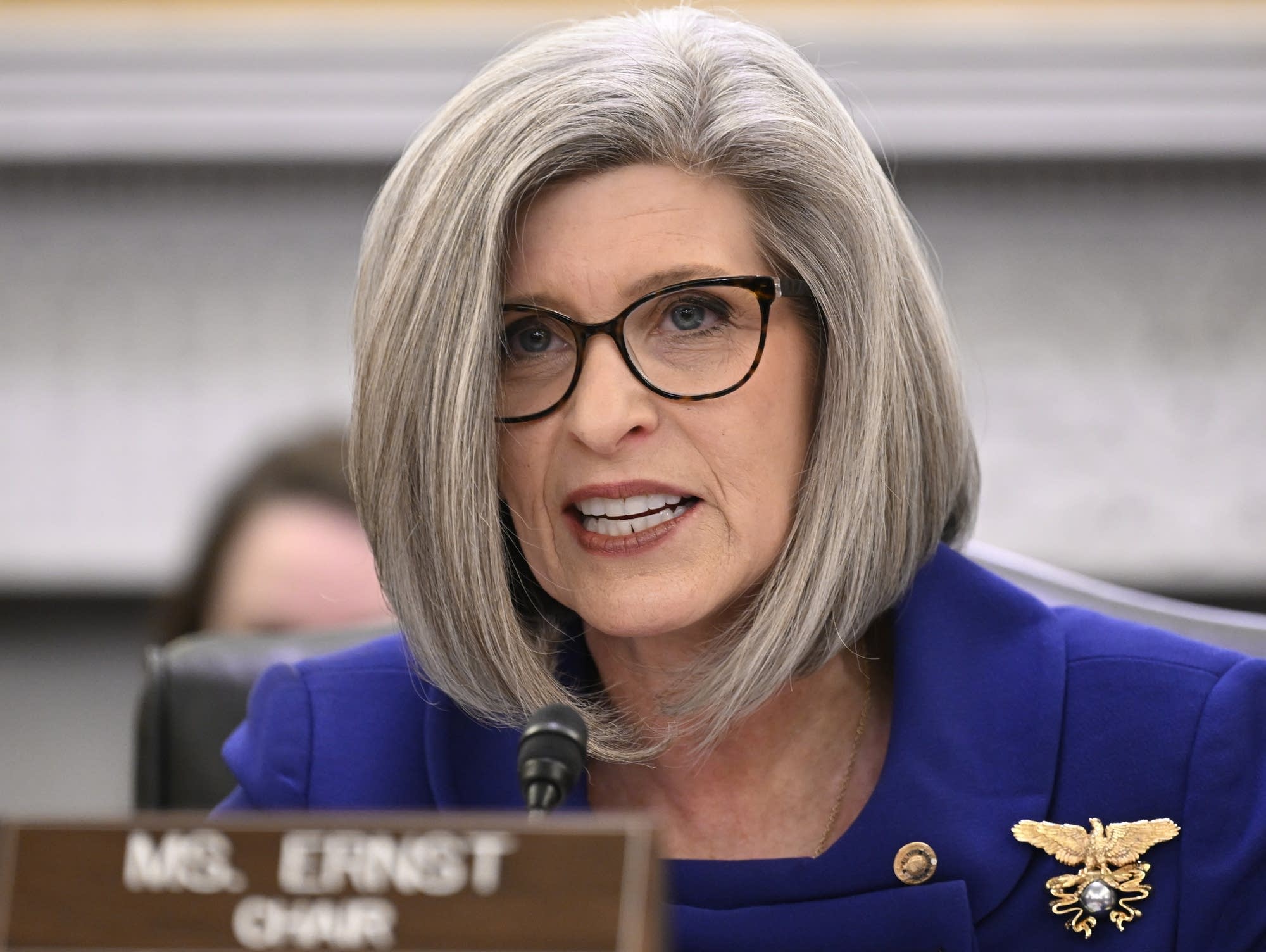
Kennedy also wants to incorporate legislation associated with Senator Joni Ernst’s campaign against federal fraud and improper payments.
Ernst has emphasized the need to improve oversight of government expenditures and identify wasteful or fraudulent transactions.
Kennedy believes stronger enforcement could produce savings while demonstrating greater fiscal responsibility.
However, improper payments and confirmed fraud are not identical categories.
Some improper payments result from administrative errors rather than intentional criminal conduct.
Similarly, identifying questionable expenditures does not mean the government can automatically recover every dollar.
The actual financial benefits of legislation would depend on its provisions, enforcement mechanisms, and independent estimates.
Kennedy nevertheless considers the issue politically important.
He argues that lawmakers should be able to demonstrate efforts to protect taxpayer money.
The combination of military funding and anti-fraud measures reflects his broader legislative strategy.
He wants Republicans to address security concerns while also emphasizing accountability for federal spending.
The difficulty lies in assembling a package that complies with Senate reconciliation rules.
Even measures with substantial political support may face procedural objections if they do not meet the required budgetary standards.
That challenge has contributed to leadership concerns about the feasibility of Kennedy’s timetable.
A Congressional Stock-Trading Ban Targets Public Trust
Kennedy has also called for restrictions on members of Congress trading individual stocks.
The proposal addresses long-standing questions about potential conflicts of interest involving elected officials.
Lawmakers regularly participate in decisions affecting industries, federal contracts, taxation, regulation, and government spending.
Some also hold personal investments in businesses that could be influenced by those decisions.
Existing financial disclosure laws require members to report certain transactions.
However, critics argue that disclosure requirements do not eliminate every potential conflict.
A prohibition on trading individual stocks could reduce the appearance that lawmakers benefit personally from information obtained through public office.
Kennedy believes such legislation could demonstrate a commitment to restoring public confidence.
But designing a comprehensive ban would require resolving several difficult questions.
Lawmakers would need to determine whether restrictions should apply to spouses and dependent children.
They would also need to consider investment accounts controlled by independent managers.
Other questions involve the treatment of retirement funds, diversified investment products, and previously acquired shares.
Effective enforcement would require clearly defined penalties and oversight procedures.
The issue has attracted interest from politicians across party lines.
Yet previous efforts to impose broad restrictions have encountered disagreements over their scope and implementation.
Kennedy’s proposal reflects his argument that Republicans should not avoid politically sensitive reforms merely because they affect members of Congress.
The measure also fits his broader message about accountability.
If lawmakers expect voters to trust their decisions, he argues, they should address practices that create questions about personal financial interests.
Whether Congress can reach agreement before January remains uncertain.
Housing Taxes Become Another Part of the Affordability Debate
Kennedy’s agenda includes a proposal to change the federal tax treatment of profits from selling primary residences.
Under existing law, qualifying individual taxpayers can generally exclude up to $250,000 in gains from the sale of a principal residence.
Qualifying married couples filing jointly can generally exclude up to $500,000.
These thresholds have remained unchanged for many years.
Kennedy argues that rising property values have made the existing limits less appropriate for some homeowners.
He believes increasing the exclusions could reduce tax burdens for qualifying sellers.
The proposal could also affect decisions among homeowners considering whether to sell and move.
In expensive housing markets, long-term property appreciation can cause gains to exceed the existing limits.
A larger exclusion could reduce the federal tax consequences of those transactions.
However, the measure would not affect every homeowner equally.
Many sellers already qualify for exclusions large enough to cover their gains.
Others may not satisfy the residence and ownership requirements necessary to claim the tax benefit.
The policy also would not directly guarantee lower home prices.
Its effects on housing supply and mobility would depend on local markets and household circumstances.
Increasing the exclusions could reduce federal revenue, creating another issue for lawmakers concerned about deficits.
That financial consequence would need to be considered alongside any potential economic benefits.
Kennedy nevertheless sees the proposal as part of a broader effort to address affordability.
He argues that Congress should examine existing tax provisions when economic conditions change substantially.
The measure illustrates how his legislative agenda extends beyond immediate government spending.
It also includes revisions to longstanding rules affecting household financial decisions.
The Pardon Broker Proposal Raises Questions About Washington Influence
The most unusual proposal on Kennedy’s list concerns individuals who receive compensation to help secure presidential pardons.
Kennedy wants paid pardon advocates to register with the federal government.
The proposal would create greater transparency surrounding financial relationships connected to presidential clemency.
Under Article II of the Constitution, the president possesses broad authority to grant pardons for federal offenses.
That power plays an important role in the American criminal justice system.
Individuals seeking clemency may submit applications through established Justice Department procedures.
However, presidents can also consider requests presented through other channels.
That creates opportunities for attorneys, consultants, and political intermediaries to assist people seeking presidential consideration.
Some advocates provide conventional legal representation.
Others may offer lobbying services or help clients establish contact with influential individuals.
Kennedy’s proposal focuses on the financial relationships surrounding such efforts.
He believes individuals paid to pursue pardons should be subject to disclosure requirements similar to those governing certain lobbying activities.
A registration system could potentially identify who receives compensation and which clients they represent.
It might also provide greater insight into how private interests seek access to presidential decision-makers.
However, the existence of paid pardon advocacy does not automatically establish criminal misconduct.
Attorneys and other representatives can lawfully assist clients seeking clemency.
The key policy question concerns whether additional transparency requirements would help prevent improper influence.
Any legislation would need to consider attorney-client confidentiality and constitutional protections.
It would also need to define which activities trigger registration obligations.
For example, lawmakers might distinguish ordinary legal assistance from paid efforts to influence officials through political contacts.
Enforcement provisions would be necessary to ensure that registration requirements were meaningful.
Kennedy has not established that a specific network of pardon brokers committed illegal acts.
Nor has his proposal demonstrated that Washington lobbying circles are experiencing organized panic.
The documented issue is the senator’s desire for greater transparency.
That makes the proposal significant without requiring speculation about hidden criminal conduct.
It also distinguishes this measure from his other priorities.
Most of Kennedy’s agenda concerns economic conditions, military readiness, or congressional ethics.
The pardon broker proposal concerns access to one of the president’s most discretionary constitutional powers.
Its political consequences could be substantial if lawmakers develop and approve a detailed disclosure system.
Republican Leaders Face a Difficult Decision
Kennedy’s demands have placed additional pressure on Republican congressional leadership.
The senator wants lawmakers to pursue several major proposals before Democrats assume control of Congress.
But leadership must consider the practical limitations of the remaining schedule.
Energy legislation requires agreement over environmental protections and permitting procedures.
Defense funding requires decisions about spending levels and procurement priorities.
Anti-fraud legislation needs detailed enforcement mechanisms and credible financial estimates.
Stock-trading restrictions require clear rules covering lawmakers and potentially their family members.
Housing tax changes involve revenue consequences that must be evaluated.
The pardon broker proposal raises questions about federal registration requirements and confidential legal representation.
Each measure could generate separate legislative debates.
Combining them into one large package would introduce additional procedural and political complications.
Kennedy has acknowledged that the Senate may not possess enough time to complete every proposal.
Nevertheless, he argues that lawmakers should attempt action rather than surrender the opportunity.
For Republican leaders, the challenge is deciding whether an ambitious final legislative campaign would produce meaningful results.
They must also consider whether negotiations could delay essential government business.
Democrats may support some proposals while opposing others.
Likewise, Republican lawmakers may disagree about spending levels, procedural strategy, and the priority assigned to particular issues.
The approaching congressional transition makes compromise more difficult.
Yet it also gives Kennedy’s argument a clear deadline.
After January, Democrats will control the legislative agenda, making some Republican priorities harder to advance.
That reality explains why he has demanded immediate consideration.
His criticism is therefore not simply a reaction to electoral disappointment.
It is an attempt to influence how Republicans use their remaining congressional authority.
Kennedy’s Final Warning Leaves Republicans With a Choice
The central message behind Kennedy’s remarks is that Republicans should not treat the midterm election results as an ordinary political inconvenience.
He believes voters expressed dissatisfaction with the party’s performance and expected concrete responses.
His proposed agenda reflects that interpretation.
Energy permitting reform would address infrastructure approvals and potential development costs.
Additional defense funding would focus on military readiness and ammunition supplies.
Anti-fraud measures would seek stronger protection of taxpayer resources.
Stock-trading restrictions would address potential conflicts of interest among lawmakers.
Housing tax changes would target financial concerns affecting some homeowners.
Pardon broker registration would introduce greater transparency into paid efforts to obtain presidential clemency.
Those proposals cover different policy areas, but Kennedy has connected them through one argument.
Republicans should demonstrate that they can respond to voters’ concerns while they still possess legislative power.
However, political urgency does not eliminate procedural requirements.
The proposals would still need sufficient support, appropriate legislative language, and compliance with Senate rules.
Kennedy’s public criticism has not established that his agenda will pass.
It has instead exposed disagreement within the Republican Party over what can realistically be achieved.
The most immediate consequence is pressure on Senate leadership to explain its priorities.
Lawmakers must decide whether to pursue additional legislation or concentrate on completing existing obligations.
For the pardon broker proposal, the question is whether transparency surrounding paid clemency advocacy will receive serious congressional consideration.
For the broader agenda, the issue is whether Kennedy can translate public demands into actual votes.
The remaining legislative calendar provides a limited opportunity.
But the final outcome will depend on political negotiations rather than the intensity of Kennedy’s warnings.
His challenge has therefore created a test for his own party.
Can Republicans demonstrate meaningful legislative action after a major electoral defeat?
Or will their remaining priorities be left for a future Congress to consider?
