
Senator John Kenn.e.d.y stood beside his desk, holding a thick folder, as lawmakers prepared to leave Washington for the holiday recess.
Across the chamber, colleagues were discussing political victories, election results, and the accomplishments they intended to celebrate back home.
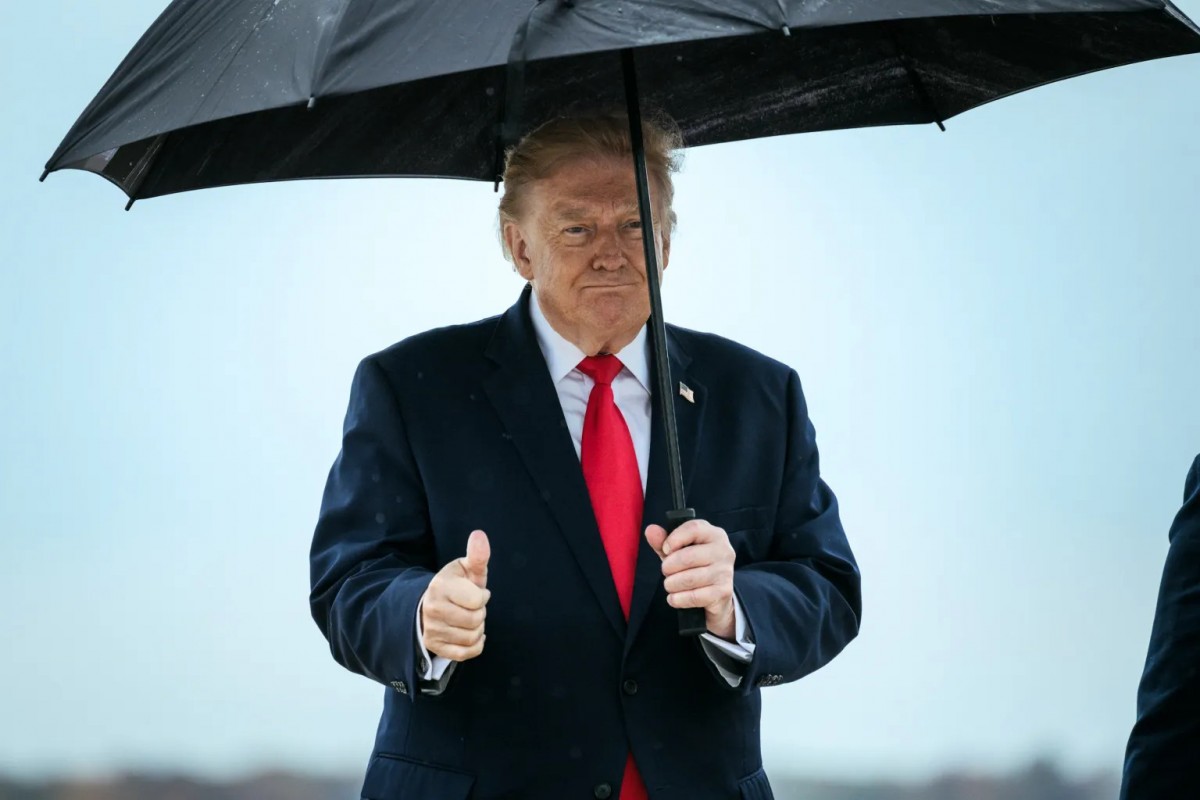
Kenn.e.d.y wasn’t smiling.
He had been examining two documents.
The first contained economic figures describing the financial pressure on American households.
The second concerned billions of dollars in potentially improper federal payments and unresolved oversight questions.
At the top of his economic briefing was a number.
3.7 percent.
It was the illustrative inflation rate used in the fictional debate.
Kenn.e.d.y looked toward the leadership desk.
“Mr. President, I hate to interrupt everybody’s celebration.”
He paused.
“But I think some folks in Washington have confused winning an election with finishing their jobs.”
Several senators turned toward him.
Kenn.e.d.y removed his glasses.
“Now, I understand people are tired.”
He looked toward the chamber doors.
“But the people paying their grocery bills are tired too.”
The room became quieter.
Then Kenn.e.d.y raised his second document.
“And while we’re packing our suitcases, we’ve still got questions about federal money going places it shouldn’t.”
He leaned toward the microphone.
“So before we all congratulate ourselves and head out of town, perhaps we ought to find out where the money went.”
The chairman asked Kenn.e.d.y to explain his concerns.
Kenn.e.d.y opened the folder.
Its first page described a fictional review of federal payment systems.
The report identified irregular transactions, duplicate records, and payments requiring additional verification.
But the most troubling entry appeared near the end.
A large group of transactions had been labeled “resolved.”
The supporting records did not explain how every case had been closed.
Kenn.e.d.y pointed toward the notation.
“That’s interesting.”
He paused.
“Somebody says the problem is resolved.”
Then he looked toward the chamber.
“But the paperwork doesn’t tell us whether the money ever came back.”
The fictional confrontation had begun during a discussion about the legislative calendar.
Congressional leaders were considering whether to complete additional oversight work before the holiday break.
Some lawmakers supported maintaining the planned schedule.
Others believed several unresolved matters warranted further hearings.
Kenn.e.d.y argued that federal spending oversight deserved priority.
He believed lawmakers should examine payment irregularities before declaring that existing programs were operating effectively.
But the issue required careful distinctions.
An improper payment was not automatically fraud.
A duplicate accounting entry did not necessarily mean the government had lost money twice.
And an administrative error could occur without criminal intent.
Kenn.e.d.y acknowledged those differences.
He wanted the committee to establish what the records actually showed.
The chairman asked a government accounting specialist to explain the fictional report.
The specialist described several categories of payment irregularities.
Some involved outdated recipient information.
Others concerned documentation errors.
A separate category included duplicate payment entries.
Another involved transactions requiring additional verification before their legitimacy could be determined.
Kenn.e.d.y listened.
Then he pointed toward the summary total.
“Are all these payments fraudulent?”
The specialist answered no.
Improper payment estimates could include errors that did not involve intentional deception.
To establish fraud, investigators would need evidence of the relevant conduct and intent under applicable law.
Kenn.e.d.y nodded.
“Then let’s not call every mistake a crime.”
He paused.
“But let’s not call every unexplained payment a success either.”
The chairman agreed that the distinctions mattered.
Kenn.e.d.y turned to the next page.
It described a fictional federal benefits program that had experienced problems verifying certain recipient records.
Several transactions had been approved before the supporting information was complete.
Others were flagged for further review after payment.
Kenn.e.d.y asked whether stronger verification procedures could reduce errors.
The accounting specialist answered that they might.
But additional checks could also delay legitimate payments if poorly designed.
Kenn.e.d.y acknowledged the tradeoff.
The objective, he argued, should be preventing erroneous payments without creating unnecessary hardship for eligible recipients.
The chairman asked whether the fictional report identified a specific administrative problem.
The specialist pointed toward a data-matching system.
Information from two government databases had not been updated at the same time.
That inconsistency produced several incorrect payment flags.
In some cases, legitimate transactions appeared suspicious because one system contained outdated information.
Kenn.e.d.y studied the explanation.
“So the computer wasn’t necessarily catching thieves.”
The specialist agreed.
“Sometimes it was catching bad paperwork.”
Kenn.e.d.y nodded.
“Then fixing the paperwork matters too.”
The exchange had identified an important problem.
A government could waste resources by failing to prevent genuinely improper payments.
But it could also waste resources by repeatedly investigating legitimate transactions that had been incorrectly flagged.
Effective oversight required distinguishing those situations.
Kenn.e.d.y turned toward the second document.
It contained a proposed plan for improving payment verification.
The plan recommended reviewing high-risk transactions, updating data systems, and strengthening procedures for recovering funds when appropriate.
It also proposed clearer reporting concerning the outcomes of investigations.
Kenn.e.d.y supported examining the recommendations.
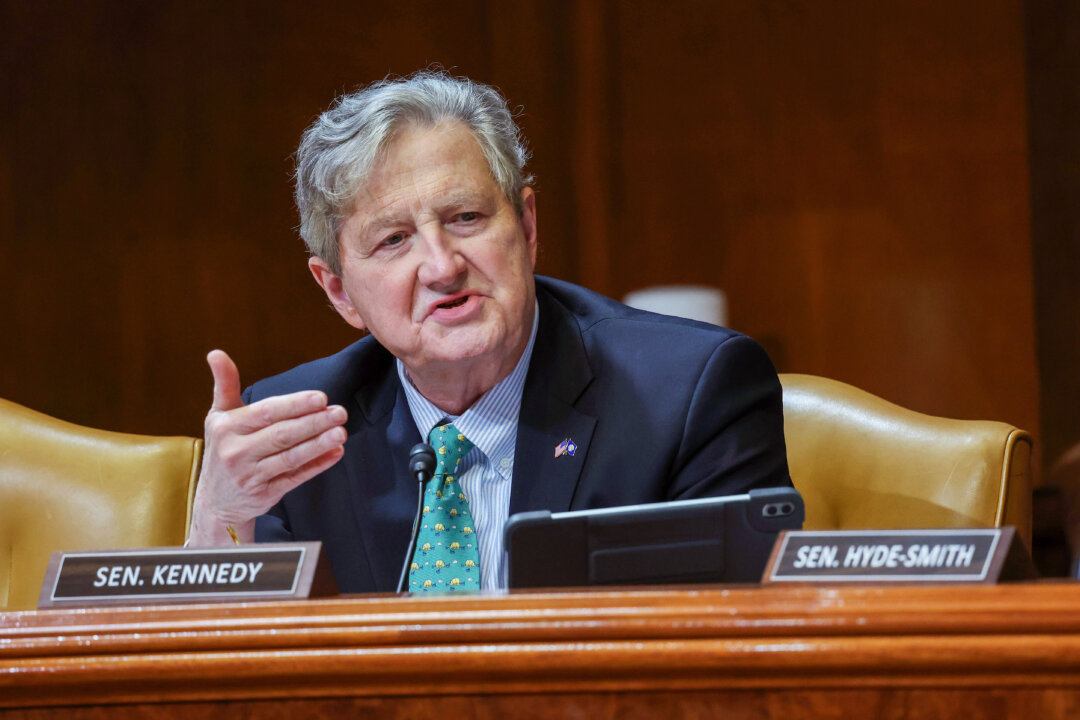
But he wanted to know why several actions remained unfinished.
The specialist explained that some improvements required coordination among agencies.
Others needed technical upgrades or additional authorization.
Some depended on new funding.
Kenn.e.d.y acknowledged the practical difficulties.
Then he asked whether any recommendations could be implemented without waiting for major legislative changes.
The specialist identified several possibilities.
Agencies could improve internal reporting.
They could clarify procedures for correcting duplicate records.
They could also provide more consistent information about cases closed after investigation.
Kenn.e.d.y leaned toward his microphone.
“Then those sound like things we ought to start doing.”
A senator defended the planned holiday recess.
Lawmakers, he argued, could continue oversight work through staff and committee procedures without remaining in Washington every day.
Kenn.e.d.y acknowledged that possibility.
But he questioned whether the current schedule provided adequate opportunities to resolve pending issues.
The chairman requested a comparison.
Staff displayed two legislative calendars.
The first followed the planned recess.
The second included several additional oversight sessions.
Each schedule identified possible hearings, staff briefings, and opportunities to review pending recommendations.
Kenn.e.d.y studied the alternatives.
Then he turned toward his colleagues.
“Now, nobody’s asking Congress to cancel Christmas.”
A few lawmakers laughed.
Kenn.e.d.y continued.
“But if we’ve got work we can reasonably finish, why are we acting like opening the calendar is an act of cruelty?”
The chairman asked whether additional sessions would necessarily recover money.
The accounting specialist answered no.
Hearings could clarify problems and support oversight.
Recovering improper payments depended on separate administrative and legal processes.
Kenn.e.d.y acknowledged the distinction.
But he argued that meaningful oversight could still identify weaknesses requiring correction.
The discussion turned toward the economic briefing.
Kenn.e.d.y raised the page showing the 3.7 percent inflation figure.
He described how households could remain financially strained even when inflation slowed.
The committee economist explained that a positive inflation rate meant the overall price level continued to rise.
It did not necessarily mean prices were falling.
A reduction in the inflation rate indicated slower price increases, not an automatic return to earlier prices.
Kenn.e.d.y looked toward the chamber.
“Then if somebody’s grocery bill went up, slowing the increase doesn’t magically put the money back in their pocket.”
The economist agreed with the general distinction.
However, household experiences could vary depending on income growth and spending patterns.
Kenn.e.d.y acknowledged that.
He argued that policymakers should avoid treating a single national statistic as a complete description of household finances.
The chairman asked whether the 3.7 percent figure represented the verified current national inflation rate.
Kenn.e.d.y clarified that the number belonged to the fictional economic scenario.
It was being used to illustrate the policy debate rather than report an authenticated contemporary measurement.

The economist emphasized that an accurate real-world claim would require the relevant date and inflation measure.
Kenn.e.d.y returned to his central point.
Economic conditions could improve while families continued to face serious financial pressure.
He believed elected officials should acknowledge both realities.
Then he connected that concern to the federal payment review.
“When families are watching every dollar, Washington ought to be able to explain what happens to theirs.”
He paused.
“That’s not a Republican question or a Democratic question.”
He raised the oversight report.
“That’s a taxpayer question.”
The chairman requested that the accounting specialist explain how the government typically evaluated suspected improper payments.
The specialist described the importance of data verification, documentation, and appropriate administrative review.
Some cases could be resolved by correcting records.
Others might involve repayment.
A smaller subset could warrant referral to investigators when credible evidence suggested intentional fraud.
The specialist emphasized that these outcomes required different procedures.
Kenn.e.d.y nodded.
“Then perhaps our reports ought to tell the public which one happened.”
The chairman agreed that clearer outcome reporting could improve understanding.
Kenn.e.d.y turned toward the disputed “resolved” entries.
He asked whether the term meant money had been recovered.
The specialist answered that it depended on the reporting system.
In the fictional report, some cases were marked resolved because the original payment had been verified as legitimate.
Others were closed after an administrative correction.
Still others involved recovery actions.
The summary did not distinguish those outcomes clearly.
Kenn.e.d.y leaned back.
“Well, there’s our problem.”
He pointed toward the screen.
“One word is doing the work of three different explanations.”
The chairman asked staff to prepare a corrected summary.
The updated report separated legitimate payments, administrative errors, recovered funds, and cases still under review.
The revised presentation was more informative.
It also changed the apparent scale of the problem.
Several transactions originally included in the headline total had been legitimate payments.
Other entries represented duplicate records rather than separate losses.
Some cases remained genuinely unresolved.
Kenn.e.d.y examined the revised figures.
Then he nodded.
“That’s better.”
A senator challenged him.
“Doesn’t that mean the original report exaggerated the problem?”
Kenn.e.d.y answered that the original summary had been insufficiently precise.
He supported correcting it.
“But finding out that one number was misleading doesn’t mean we stop asking about the rest.”
The accounting specialist agreed that the remaining cases deserved appropriate review.
The discussion had become more focused.
The committee no longer treated every flagged transaction as stolen money.
It examined which cases involved actual losses, which reflected administrative errors, and which required further investigation.
Kenn.e.d.y argued that this approach was more useful than either exaggerating the problem or dismissing it entirely.
Then the chairman returned to the legislative calendar.
He asked whether the revised analysis identified specific issues that Congress could address before the recess.
Staff presented several pending recommendations.
One concerned reporting standards.
Another involved oversight of data-sharing procedures.
A third addressed how agencies documented recovery efforts.
The chairman asked whether additional hearings could provide useful information on those matters.
The specialist answered that they could.
However, the specialist cautioned that implementing reforms would require appropriate agency action and, in some cases, legislative approval.
Kenn.e.d.y acknowledged the limitation.
Then he asked whether scheduling the hearings was possible.
The committee clerk confirmed that additional sessions could be arranged.
Kenn.e.d.y looked toward the leadership desk.
“Then we’ve got an option.”
He paused.
“We can do the work, or we can explain why we’re not doing it.”
A senator responded that lawmakers also needed time for constituent meetings and other responsibilities.
Kenn.e.d.y agreed.
He did not argue that every recess was irresponsible.
But he believed the committee should prioritize unresolved matters with clear opportunities for progress.
The disagreement intensified.
One lawmaker accused Kenn.e.d.y of turning a technical oversight discussion into a holiday spectacle.
Kenn.e.d.y looked toward him.
“Senator, I’ve been accused of worse things than wanting Congress to read its own reports.”
Several people laughed.
Kenn.e.d.y continued.
“If the report’s wrong, fix it.”
He tapped the revised summary.
“If the money wasn’t lost, say so.”
Then he pointed toward the unresolved cases.
“But if we still don’t know what happened, don’t put a ribbon on the file and call it finished.”
The chairman asked him to address the scheduling proposal directly.
Kenn.e.d.y agreed.
Then came the remark that changed the atmosphere.
“Folks, put down the juice boxes.”
The chamber reacted with scattered laughter.
Kenn.e.d.y remained composed.
“We’re grown people.”
He looked across the desks.
“We don’t get a gold star because we managed to show up and congratulate ourselves.”
He raised the oversight report.
“We’re supposed to ask hard questions, read the answers, and finish the work we can reasonably finish.”
The chairman requested that Kenn.e.d.y refrain from personal characterizations.
Kenn.e.d.y acknowledged the instruction.
Then he returned to the substance.
He proposed that the committee hold additional sessions focused on reporting accuracy and unresolved payment reviews.
He also requested an implementation timetable identifying which recommendations could be completed through existing administrative authority.
The chairman asked whether the proposal included an automatic conclusion that fraud had occurred.
Kenn.e.d.y answered no.
The purpose was to establish facts.
The revised recommendation would distinguish suspected fraud from improper payments and administrative mistakes.
The accounting specialist supported the distinction.
Then another problem emerged.
One of the unresolved payment categories involved transactions that had been flagged by two separate agencies.
Both agencies had recorded the same cases in their summaries.
When the totals were combined, the overlap made the problem appear larger.
Kenn.e.d.y asked whether the duplicate counting had been identified in the original report.
The specialist answered that the summary did not clearly address it.
Staff prepared another correction.
The revised total excluded overlapping cases.
Kenn.e.d.y studied the new figures.
“Now we’re finally getting somewhere.”
The chairman asked whether the corrections undermined the need for oversight.
Kenn.e.d.y responded that accurate accounting was the foundation of effective oversight.
A misleading total could cause lawmakers to focus on the wrong problem.
But a corrected total could help them identify where genuine weaknesses remained.
The accounting specialist agreed.
The committee had uncovered a reporting problem rather than established a vast fraud scheme.
Yet the reporting issue had practical consequences.
Poorly organized data could make it harder to identify actual losses.
It could also encourage public misunderstanding.
Kenn.e.d.y argued that those problems deserved attention.
Then he returned to the economic briefing.
He described a fictional household attempting to manage rising expenses.
The family had adjusted its grocery budget, delayed a vehicle repair, and reduced discretionary spending.
The example illustrated how small financial pressures could accumulate.
Kenn.e.d.y emphasized that government spending decisions involved public resources drawn from taxpayers.
The economist cautioned that federal finance and household budgeting were not identical.
Government spending operated under different legal, economic, and institutional constraints.
Kenn.e.d.y acknowledged that distinction.
But he argued that accountability remained important in both contexts.
“When somebody works forty or fifty hours a week, the money taken out of that paycheck ought to be handled carefully.”
The chairman agreed that public funds required responsible administration.
The discussion turned toward practical reforms.
The committee considered whether agencies should publish clearer breakdowns of improper payment outcomes.
It also examined whether independent audits could identify recurring data problems.
The accounting specialist explained that audits could improve understanding when designed around reliable information.
But audit findings would still require careful interpretation.
A flagged transaction did not automatically establish fraud.
And an estimated loss should not be presented as money already proven stolen.
Kenn.e.d.y supported those safeguards.
The hearing had reached a constructive stage.
But the final scheduling decision remained unresolved.
The chairman asked whether Kenn.e.d.y would accept a compromise involving two additional oversight sessions rather than a complete postponement of the recess.
Kenn.e.d.y replied that he wanted the committee to complete the work realistically available.
He emphasized that the number of sessions mattered less than the substance of the review.
The chairman requested a prioritized schedule.
Staff identified the reporting corrections that could be completed quickly.
They also listed the investigations requiring additional agency documentation.
Some matters could be considered before the recess.
Others would continue afterward.
Kenn.e.d.y examined the schedule.
Then he asked one final question.
“Will the committee publish a clear record of what’s finished and what isn’t?”
The clerk answered that the proposed timetable could include that information.
Kenn.e.d.y nodded.
“Then let’s do it.”
The chairman directed staff to prepare the schedule.
The proposal did not guarantee that Congress would recover billions of dollars.
It did not establish a criminal fraud scheme.
And it did not prove that lawmakers who favored the recess were deliberately abandoning their responsibilities.
But it created a process for examining unresolved payment questions and improving reporting accuracy.
The chamber grew quieter.
Kenn.e.d.y gathered his papers.
Then he turned toward the leadership desk.
“Mr. President, I don’t have a problem with people taking time to see their families.”
He paused.
“I intend to see mine.”
Several senators smiled.
Kenn.e.d.y continued.
“But there ought to be a difference between taking a break after finishing the work and calling unfinished work a success.”
He raised the corrected oversight report.
“That’s what I’m asking us to remember.”
The chairman thanked him.
But Kenn.e.d.y requested one final statement.
He looked toward the chamber.
Then he delivered the warning that brought the fictional confrontation to its conclusion.
“If we can’t explain where the taxpayers’ money went, we haven’t earned the right to declare the job finished.”
For several seconds, nobody spoke.
The chairman then summarized the proposed next steps.
Staff would finalize the corrected reporting categories.
The committee would review unresolved payment questions.
And leadership would consider additional oversight sessions before the recess.
The report would distinguish verified fraud from improper payments, administrative errors, and unresolved cases.
The chairman struck the gavel.
The hearing ended without establishing that a massive sum had been stolen.
No authenticated evidence had demonstrated a deliberate criminal conspiracy involving the lawmakers present.
And the fictional 3.7 percent inflation figure was not a verified current economic measurement.
But the review illustrated an important issue.
Public accountability depended on accurate information.
A dramatic estimate could attract attention while concealing important distinctions.
An improperly classified payment could appear to represent fraud.
A duplicated entry could exaggerate an aggregate total.
And an unresolved case could be prematurely described as completed.
Kenn.e.d.y’s criticism of the holiday schedule remained a political judgment.
Other lawmakers maintained that oversight could continue through existing procedures while members fulfilled responsibilities outside Washington.
The committee’s task was to decide which work required immediate attention and which could proceed through established processes.
The final documents offered a clearer picture.
Some transactions had been legitimate.
Others reflected administrative mistakes.
A smaller group required further examination.
And the revised reporting framework would allow those categories to be evaluated separately.
Kenn.e.d.y closed his folder.
The chamber began to empty.
The original inflation briefing remained beside the oversight report.
One concerned household financial pressure.
The other concerned government accountability.
They addressed different issues.
But together they illustrated the question Kenn.e.d.y had wanted Congress to confront.
How should elected officials demonstrate that they were handling public responsibilities seriously?
The answer required more than speeches.
It required reliable records, workable oversight, and decisions grounded in evidence.
The fictional confrontation had begun with political celebration and a sharp remark about juice boxes.
It ended with a demand for clearer accounting and a schedule for reviewing unresolved issues.
The most consequential moment was not the insult.
It was the discovery that the government’s own summary did not clearly distinguish errors, recoveries, and genuine unresolved cases.
Political leaders can celebrate their victories. But taxpayers still deserve to know whether public money was spent correctly—and what officials intend to do when it wasn’t.
