
Chip Roy’s MAMDANI Act: The Citizenship Proposal Targeting Zohran Mamdani That Has Sparked a National Debate
For years, immigration, citizenship and political ideology have been at the center of America’s increasingly bitter political divisions. But when Republican Representative Chip Roy introduced a proposal carrying the name of New York City Mayor Zohran Mamdani, the debate took a particularly controversial turn.
The legislation, formally titled the Measures Against Marxism’s Dangerous Adherents and Noxious Islamists Act of 2026, quickly became known as the MAMDANI Act. Its name was no coincidence. Roy’s proposal was designed to target individuals connected to socialist, communist, Marxist and Islamic fundamentalist movements, placing the immigration status of certain noncitizens under renewed scrutiny.
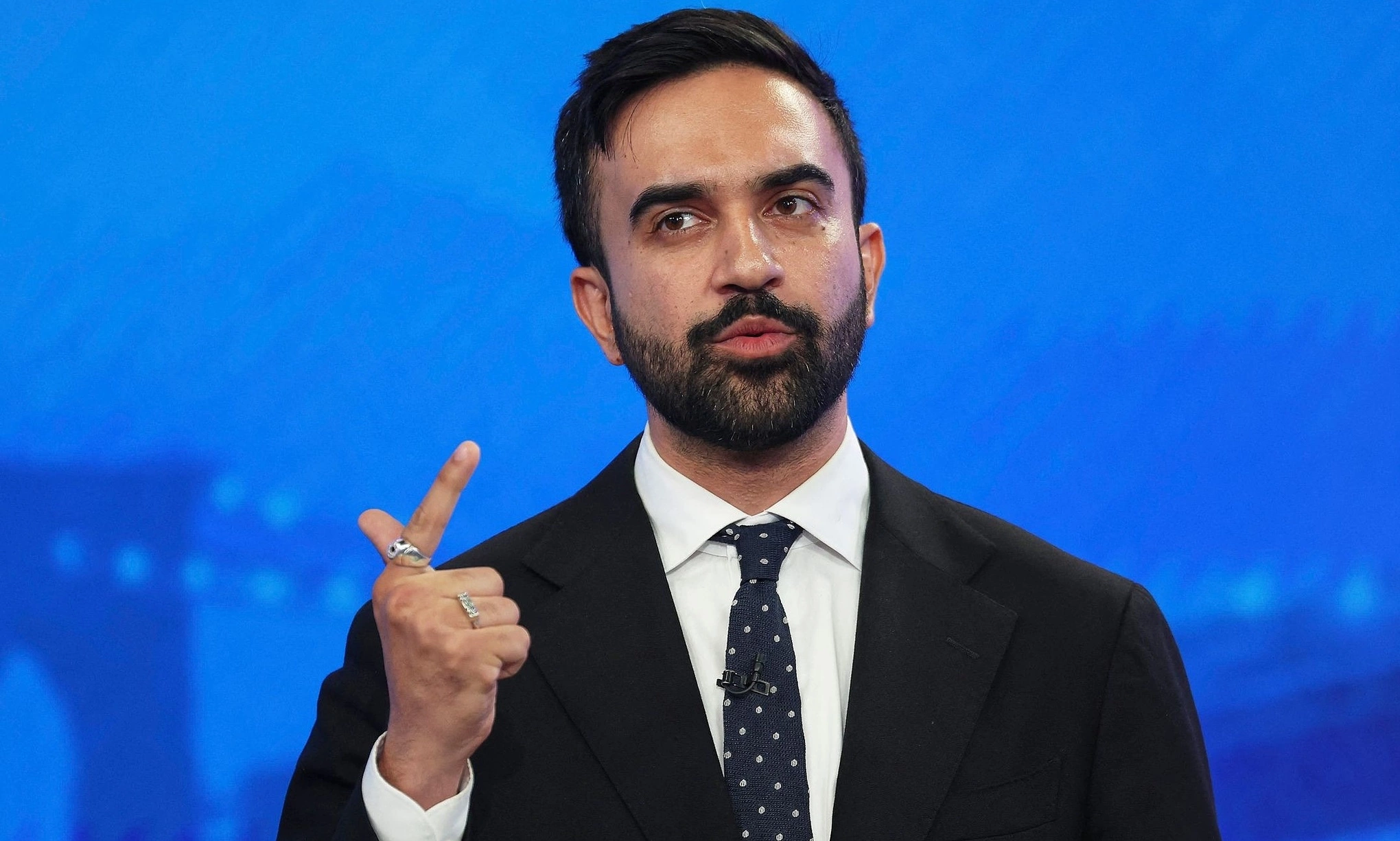
Introduced in the House of Representatives on April 20, 2026, the bill proposed substantial changes to the Immigration and Nationality Act. According to Roy’s office, the measure would expand the grounds for denying admission, refusing naturalization, revoking citizenship and deporting individuals based on specified ideological affiliations or advocacy.
The proposal immediately raised a difficult constitutional question: How far can the federal government go in determining which political beliefs or affiliations should affect someone’s right to remain in the United States?
Roy presented the legislation as an effort to protect American institutions from ideologies he considers incompatible with the country’s political system. In his announcement, he argued that immigration policy had been used to introduce movements that, in his view, undermine American values and national security.
But the bill’s implications extend beyond its political messaging.
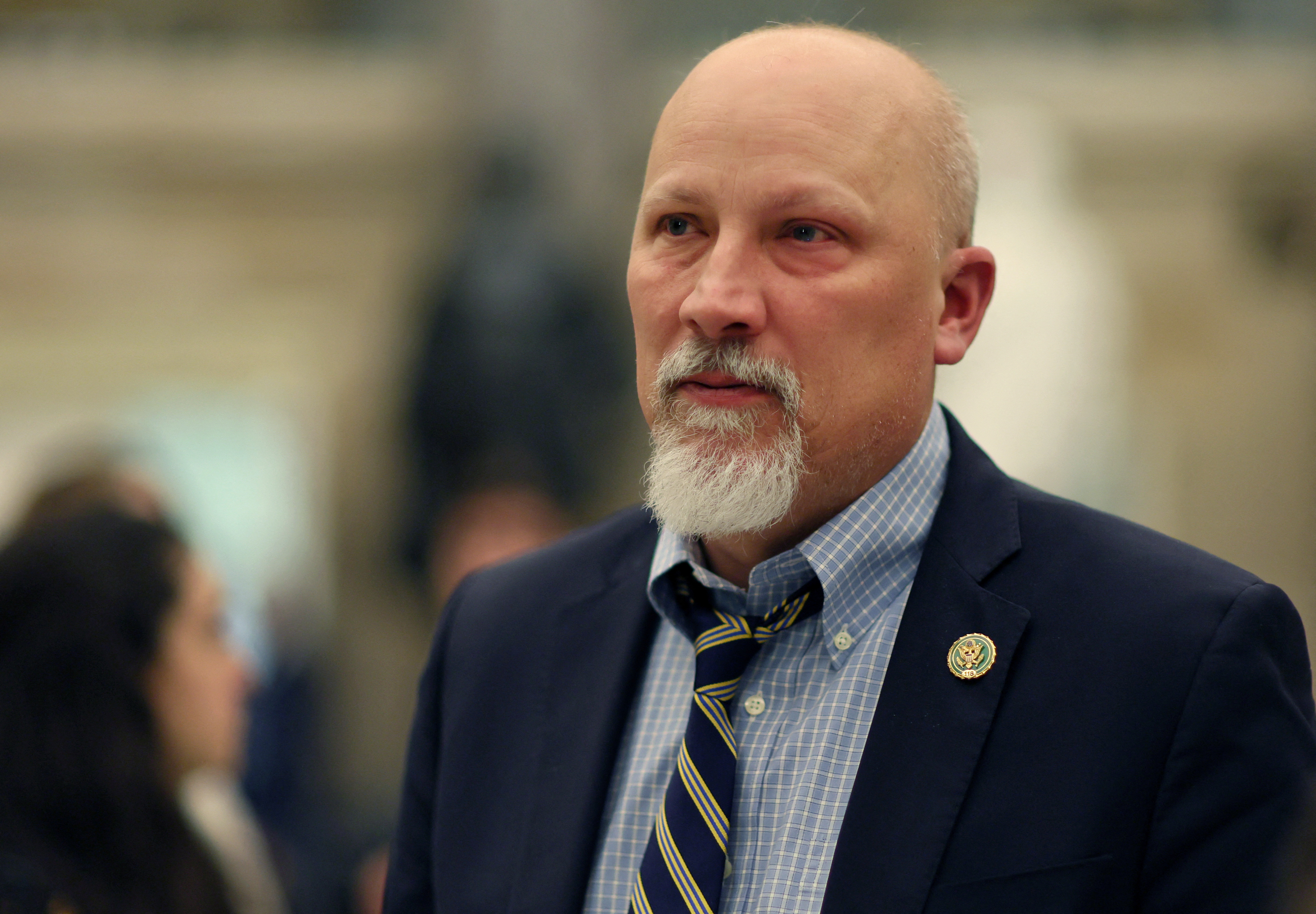
One of its most controversial provisions concerns the definition of ideological advocacy. The proposed language does not limit itself to formal membership in a political organization. It also addresses individuals who advocate for socialism, communism, Marxism or Islamic fundamentalism, as well as those affiliated with organizations promoting these doctrines.
The text specifically includes activities such as writing, distributing, circulating, displaying, possessing or publishing material that advocates for the specified ideologies. That broad language has prompted concerns about how political expression, organizational membership and immigration enforcement could intersect.
Another particularly significant provision concerns judicial review. The proposal states that certain determinations made under its immigration provisions would be final and would not be subject to review by any court. If enacted, that language could fundamentally change the legal options available to individuals challenging decisions made under the legislation.
The bill also proposes changes to existing naturalization rules, including provisions addressing the revocation of citizenship. These sections have attracted particular attention because they raise questions about the relationship between political beliefs and the legal protections attached to American citizenship.
For Mamdani, whose political identity is closely associated with democratic socialism, the legislation carries an obvious political connection. The New York mayor was born in Uganda and became a naturalized American citizen in 2018. Roy’s proposal therefore placed the issue of ideological affiliation and naturalized citizenship directly into the national political conversation.
Representative Ilhan Omar has also become part of the wider debate surrounding citizenship and immigration enforcement. However, the legal circumstances of her case are separate from the MAMDANI Act. Omar obtained American citizenship through her father’s naturalization in 2000, and questions about her eligibility have been discussed in connection with a separate federal investigation. Omar has denied wrongdoing and disputed the allegations surrounding her citizenship.
The distinction matters. Neither Mamdani nor Omar can simply be stripped of citizenship because a member of Congress introduces a bill or publicly questions their political positions. Existing federal law provides specific legal procedures for denaturalization, and the government must establish legally sufficient grounds through the appropriate process.
The MAMDANI Act itself was introduced as H.R. 8387 and referred to the House Judiciary Committee. Its introduction did not mean that it had become law, nor did it automatically authorize the government to deport the individuals associated with the political controversy.
Nevertheless, the proposal has exposed a fundamental disagreement within American politics. Supporters of stricter immigration controls argue that the government must have the tools to prevent individuals associated with hostile movements from exploiting the immigration system. Critics warn that broad ideological definitions could threaten freedom of expression, religious liberty and the protections traditionally associated with citizenship.
At the heart of the dispute is a question that neither political party can easily avoid: Should someone’s political beliefs ever become grounds for losing the right to live in the United States?
For Chip Roy, the MAMDANI Act represents an attempt to rewrite the rules governing immigration and naturalization. For its critics, it raises the possibility that political ideology could become a powerful instrument of government exclusion.
And that is why the proposal has attracted attention far beyond Washington. The most consequential part of this debate may not be the name attached to the legislation, or even the political figures it has placed under the spotlight. It is the legal precedent that could emerge if Congress ever moves such a proposal from introduction to enactment.
The MAMDANI Act has not yet established that precedent. But by putting citizenship, political expression and immigration enforcement into the same legislative framework, Chip Roy has opened a debate that is likely to remain controversial long after the initial announcement.
