
Nancy Mace and Marjorie Taylor Greene: The Republican Divide Behind Washington’s Political Rivalry
Washington’s Republican Party has never been a completely unified political movement. Behind its public displays of solidarity, disagreements over strategy, leadership and the direction of the conservative agenda have repeatedly exposed divisions within the party. Two prominent figures associated with those debates are Representatives Nancy Mace and Marjorie Taylor Greene.
Both women built national profiles through outspoken political positions and a willingness to challenge their opponents. Yet their approaches to congressional politics have not always been identical. Their contrasting styles reflect a broader struggle over what Republican leadership should look like and how the party should exercise its influence in Washington.
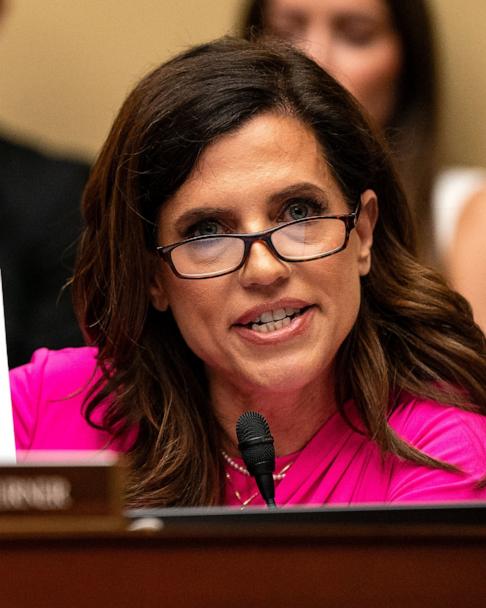
Nancy Mace, who represents South Carolina, has frequently emphasized congressional oversight, government accountability and fiscal responsibility. Her political career has included confrontations with members of both parties, as well as disagreements with Republican colleagues when she believes party leadership has failed to address an issue adequately.
Marjorie Taylor Greene, representing Georgia, became one of the most recognizable Republican figures in Congress through her confrontational approach to national politics. She has consistently attracted attention through her criticism of Democratic leadership, federal institutions and policies she considers contrary to conservative principles.
Their political differences cannot simply be reduced to personality. They operate within a Republican Party that contains competing factions, each seeking to influence the party’s priorities and its relationship with voters.
For Mace, congressional oversight has been an important part of her public identity. She has used hearings, document requests and investigative initiatives to challenge government agencies and demand explanations from officials. Her work on issues involving federal spending and congressional accountability has helped establish her as a prominent participant in the House Oversight Committee’s activities.
Greene has pursued a different but equally visible approach. Her political strategy has often involved direct confrontation, highly publicized statements and pressure on Republican leadership over legislation and political priorities. Her willingness to challenge figures within her own party has sometimes placed her at the center of internal Republican disputes.
The differences between these approaches reflec
 t a larger question facing Republicans: should the party concentrate on institutional oversight and legislative negotiations, or should it prioritize more aggressive political confrontation to mobilize its supporters?
The answer is not straightforward. Republican voters include people who want a disciplined focus on spending, economic policy and government reform, alongside voters who believe stronger public confrontation is necessary to challenge Washington’s political establishment.
The relationship between individual lawmakers and party leadership also complicates the picture. Members of Congress must balance their responsibilities to constituents, their committee assignments, their political alliances and their own public commitments. Disagreements can emerge even when lawmakers share many ideological positions.
A particularly revealing example of the political environment surrounding both representatives came during the January 10, 2024, House Oversight Committee hearing concerning Hunter Biden. Greene was speaking when Biden unexpectedly left the hearing room, prompting her to remark that he was apparently afraid of her words. Mace had also addressed Biden earlier in the proceedings, making forceful accusations about his appearance before the committee.
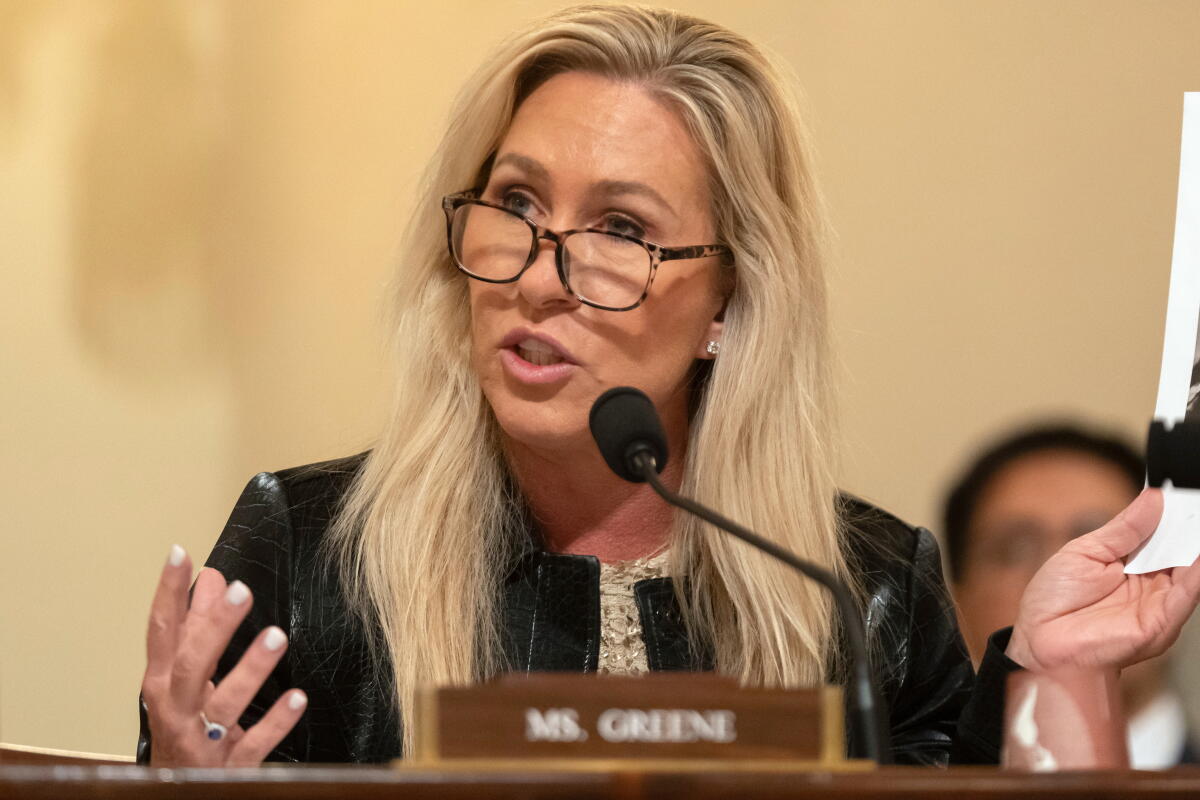
That hearing illustrated the confrontational atmosphere in which both lawmakers had developed their national profiles. However, it was not a documented confrontation between Mace and Greene. The distinction is important because viral political accounts frequently combine separate exchanges into a fictional showdown.
The broader debate over Republican leadership has continued beyond individual hearings. Questions about government spending, immigration, foreign policy, congressional investigations and the relationship between party leadership and grassroots supporters have repeatedly exposed competing priorities within the Republican conference.
Mace’s emphasis on oversight and Greene’s confrontational political style represent two visible elements of that larger conversation. Neither approach exists in isolation, and both lawmakers have operated within a political environment where public messaging can be as consequential as legislative activity.
For voters, the significance of these differences lies in what they reveal about the party’s future direction. A political movement can share broad ideological goals while disagreeing sharply over tactics, priorities and the standards by which its representatives should be judged.
Ultimately, the story is not about an unverified five-word remark or a supposedly speechless opponent. It is about a Republican Party still negotiating its identity, its leadership structure and the balance between institutional responsibility and political confrontation.
As Washington’s political divisions continue to evolve, the contrasting public approaches of Nancy Mace and Marjorie Taylor Greene offer a useful window into the competing forces shaping the Republican Party.
