
“DO NOT LECTURE ME ABOUT SACRIFICE!” RAND PAUL CHALLENGED BERNIE SANDERS — UNTIL ONE VOTING RECORD CHANGED THE ENTIRE DEBATE
The Senate chamber was already tense when Senator Rand Pa.u.l turned toward Bernie Sande.r.s, preparing to challenge the Vermont senator over federal spending, budget priorities, and the growing cost of government programs.
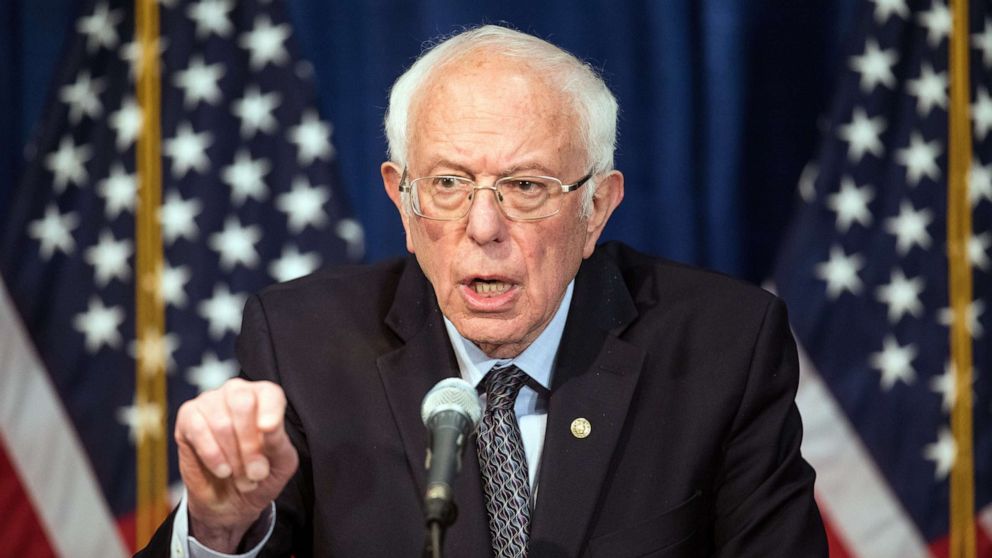
Pa.u.l appeared determined to make one argument unmistakably clear: Washington could not continue approving enormous spending commitments without confronting the financial consequences.
Across the table, Sande.r.s listened without interrupting, his hands resting beside several documents and a carefully organized collection of voting records.
“Senator Sande.r.s, we hear a lot about compassion in Washington,” Pa.u.l began, looking directly at his colleague.
“But compassion doesn’t eliminate arithmetic. Every dollar this government spends eventually comes from somewhere.”
Sande.r.s slowly raised his head.
“Nobody is disputing that government spending has consequences.”
Pa.u.l continued, arguing that federal spending required discipline and that lawmakers could not simply demand additional funding whenever a politically popular program faced financial pressure.
He specifically questioned the growing demands placed on the federal budget, including veterans’ healthcare and other government commitments.
“At some point, Senator, somebody has to explain how we’re going to pay for all of this.”
Sande.r.s leaned toward his microphone.
“Then perhaps we should start by discussing what this country chooses to spend money on.”
Pa.u.l smiled briefly.
“That’s exactly what I’m asking you to do.”
But Sande.r.s was not finished.
He reached for a document and placed it directly in front of him.
“Senator Pa.u.l, before we start lecturing working families and veterans about sacrifice, perhaps we should examine the choices Congress has already made.”
Pa.u.l immediately responded.
“I’m not lecturing anybody about sacrifice. I’m talking about fiscal responsibility.”
Sande.r.s looked directly at him.
“Well, then let’s talk about responsibility.”
The exchange became more intense as the discussion moved toward the federal budget and the obligations owed to American veterans.
Sande.r.s argued that veterans who had served their country should not have to struggle to obtain medical treatment, disability assistance, or mental healthcare.
Pa.u.l responded that supporting veterans did not eliminate the need to examine how federal programs were funded and administered.
“Nobody here wants veterans to go without treatment,” Pa.u.l said. “But we also have to make sure that the programs we authorize are sustainable.”
Sande.r.s nodded.
“Of course they should be sustainable.”
He paused.
“But sustainability cannot become an excuse for abandoning people who have already fulfilled their obligations to this country.”
Pa.u.l leaned forward.
“That’s a political statement, Senator. I’m asking about the budget.”
Sande.r.s immediately answered.
“And I’m asking what the budget is supposed to accomplish.”
The room became quieter.
Sande.r.s opened another document.
“Let’s look at the voting record.”
Pa.u.l glanced toward the paper.
“What voting record?”
“Votes involving federal spending priorities, veterans’ programs, and the decisions this institution has made over the years.”
Sande.r.s continued.
“We can talk about deficits all afternoon. But Americans also deserve to know which priorities receive support and which ones are repeatedly pushed aside.”
Pa.u.l challenged the suggestion that individual votes could be understood without examining the legislation involved.
“Senator Sande.r.s, you know as well as I do that voting records require context. You cannot simply point to one vote and pretend it explains an entire budget.”
Sande.r.s agreed that context mattered.
“Absolutely. That’s why I’m talking about the actual legislation, not just political slogans.”
He turned toward the committee.
“When Congress debates spending, we make choices. Those choices affect veterans, workers, families, and people who depend on public services.”
Pa.u.l interrupted.
“And those choices also affect taxpayers who are already carrying an enormous financial burden.”
Sande.r.s responded immediately.
“Then let’s make sure we’re discussing everybody carrying that burden.”
He placed another paper on the table.
“Because working families are not the only people who deserve to have their interests represented in this chamber.”
Pa.u.l shook his head.
“I don’t think anybody disagrees with that.”
“Then we should stop pretending that every discussion about federal spending begins and ends with cutting programs that ordinary Americans depend on.”
The disagreement intensified.
Pa.u.l maintained that the federal government faced serious financial constraints and that lawmakers had an obligation to examine spending commitments honestly.
Sande.r.s argued that fiscal responsibility also required examining tax policy, corporate benefits, and the distribution of federal resources.
Neither senator appeared willing to accept the other’s framing.
Then Pa.u.l returned to the subject of veterans’ spending.
“Senator Sande.r.s, if you want to increase funding for every program you support, tell us exactly where the money comes from.”
Sande.r.s looked down briefly.
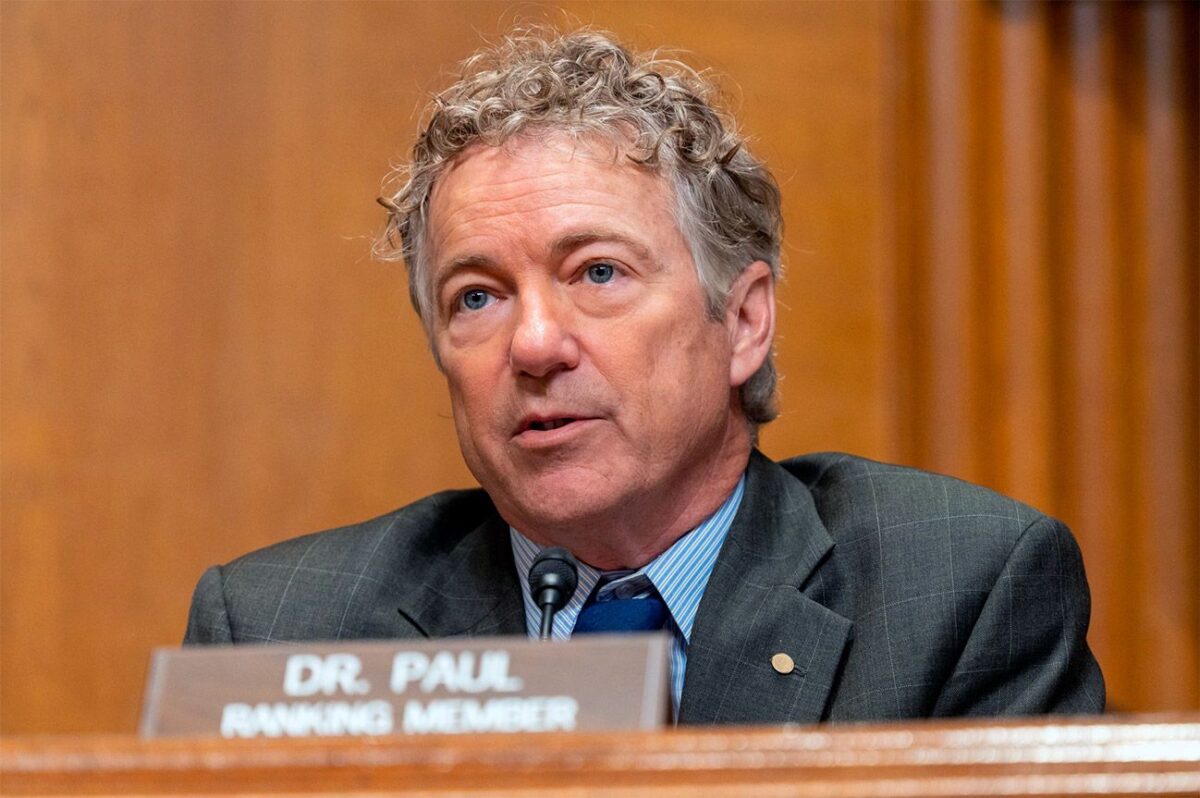
Then he raised his eyes.
“That’s a legitimate question.”
Pa.u.l appeared ready to continue.
“But I have a question for you,” Sande.r.s added.
Pa.u.l nodded.
“Go ahead.”
“Why is it that when we discuss healthcare for veterans, suddenly every dollar becomes an enormous problem, but when Congress discusses other financial priorities, we seem to discover ways to accommodate them?”
Pa.u.l responded that different spending categories involved different legal obligations, funding mechanisms, and economic consequences.
Sande.r.s acknowledged those distinctions.
But he returned to the central issue.
“I’m not suggesting that every program is identical. I’m suggesting that Congress should explain its priorities honestly.”
He paused.
“If we tell veterans that resources are limited, then we should be equally transparent about every other decision affecting the federal budget.”
The chamber remained unusually attentive.
Pa.u.l looked toward the documents Sande.r.s had placed on the table.
“Then identify the specific votes you’re talking about.”
Sande.r.s immediately turned another page.
“That’s exactly what I intend to do.”
He began discussing the importance of examining recorded votes rather than relying on broad political claims.
The debate moved toward appropriations, spending authorizations, and the difference between supporting a policy in principle and voting for a particular legislative package.
Pa.u.l insisted that lawmakers needed to evaluate the full consequences of legislation.
Sande.r.s agreed but argued that the public deserved an equally detailed explanation when politicians criticized spending without acknowledging the wider budgetary decisions involved.
“Senator Pa.u.l, I have never argued that the government should spend unlimited amounts of money,” Sande.r.s said.
“What I have argued is that the government should reflect the needs of the people it represents.”
Pa.u.l responded.
“And I have argued that government cannot promise everything to everyone.”
Sande.r.s leaned closer.
“Then perhaps we should stop promising things that Congress has no intention of delivering.”
For a moment, neither senator spoke.
The chairman glanced toward the clock, but the disagreement continued.
Pa.u.l returned to the issue of fiscal discipline, warning that federal borrowing could impose significant costs on future generations.
Sande.r.s countered that future generations would also inherit the consequences of inadequate healthcare, insufficient infrastructure, and neglected public services.
The two positions represented a familiar but fundamental disagreement over the responsibilities of government.
Then Sande.r.s lifted the voting record again.
“Senator, I want the American people to understand something.”
Pa.u.l turned toward him.
“What’s that?”
“Every time Congress votes, it makes a decision about priorities. Those decisions should be available for the public to examine.”
He placed the document on the table.
“If someone wants to criticize spending, fine. But let’s examine the entire record and let people see exactly what happened.”
Pa.u.l responded that he welcomed scrutiny of congressional voting records.
“Then we agree that the details matter.”
Sande.r.s nodded.
“Yes. They matter enormously.”
The exchange gradually moved toward a discussion of how veterans’ healthcare should be funded, how federal spending should be evaluated, and whether lawmakers were applying consistent standards when examining different budget priorities.
Neither senator conceded the central argument.
Pa.u.l continued emphasizing the need for spending discipline and transparent funding mechanisms.
Sande.r.s continued emphasizing the obligation to protect veterans and examine the consequences of congressional budget decisions.
As the discussion approached its conclusion, Pa.u.l returned to his original point.
“Senator Sande.r.s, nobody wants to see veterans abandoned. But we have to be honest about what government can afford.”
Sande.r.s looked directly at him.
“And I agree that honesty matters.”
He paused.
“But honesty also means telling veterans that their service deserves more than applause during campaign speeches.”
The chairman began moving the proceedings toward the next item.
Pa.u.l gathered his papers.
Sande.r.s remained seated, reviewing the documents in front of him.
There had been no established discovery of misconduct, no authenticated dramatic voting-record ambush, and no official finding that either senator had been exposed by the exchange.
But the disagreement highlighted an important question about the federal budget: how should lawmakers balance fiscal restraint against obligations to people who depend on government programs?
As the room prepared to move forward, Sande.r.s looked once more toward the voting record.
“There’s something else we should examine,” he said.
Pa.u.l turned back.
“What is that?”
Sande.r.s tapped the final page.
“Not just what Congress says it supports, but what Congress actually votes to fund.”
Pa.u.l looked toward the document, then back at Sande.r.s.
“Then let’s examine the numbers.”
And suddenly, the discussion appeared far from finished.
Because behind every budget figure was another political decision, another recorded vote, and another question about who ultimately paid the price.
And as the next page of the voting record came into view, one larger question remained: would Washington apply the same standard of fiscal responsibility to every priority, or only to the programs that were easiest to question?
