
Senator John Ken.n.e.d.y was still smiling when Ilhan O.m.a.r placed a Louisiana Department of Education document beside his manila folder.
Only seconds earlier, the Louisiana senator had challenged her over one of the most controversial pandemic-era nutrition policies.
He had entered the hearing carrying records concerning the MEALS Act and the massive Feeding Our Future fraud scandal.
His opening argument was direct.
O.m.a.r had supported emergency flexibility in federal child nutrition programs.
Fraudsters had subsequently exploited weaknesses in pandemic-era meal reimbursement systems.
Ken.n.e.d.y wanted to know whether the legislation she championed had helped create the conditions for that abuse.
Several lawmakers leaned forward.
The question concerned hundreds of millions of dollars intended to feed vulnerable children.
But O.m.a.r had brought something Ken.n.e.d.y apparently had not expected.
A collection of official Louisiana nutrition guidance documents.
She opened the first page.
Then she turned directly toward the senator.
“Senator Ken.n.e.d.y, before you condemn these emergency waivers, perhaps we should examine what your own state was doing.”
The fictional hearing room became silent.
Ken.n.e.d.y looked toward the document.
O.m.a.r pointed toward the heading.
LOUISIANA DEPARTMENT OF EDUCATION — CHILD NUTRITION WAIVERS.
She paused.
“These weren’t issued by my congressional office.”
She turned the page.
“They were issued by your own state’s education department.”
Ken.n.e.d.y adjusted his glasses.
O.m.a.r continued.
“And they explain why Louisiana needed emergency meal flexibility when schools closed during the pandemic.”
The senator leaned toward his microphone.
“Congresswoman, I’m asking about fraud.”
O.m.a.r nodded.
“And I’m going to answer you with the records.”
She placed the Louisiana guidance beside Ken.n.e.d.y’s manila folder.
The confrontation had begun with a question about Minnesota.
Now the senator’s own state was entering the discussion.
Ken.n.e.d.y opened his folder.
The first document concerned the Maintaining Essential Access to Lunch for Students Act, commonly called the MEALS Act.
O.m.a.r introduced the proposal in March 2020.
Its provisions became part of the federal emergency response to the COVID-19 pandemic.
The legislation addressed flexibility in child nutrition programs as schools across the country abruptly closed.
Millions of children had previously depended on meals provided through schools and related programs.
When classrooms shut down, the existing distribution system faced an unprecedented disruption.
O.m.a.r’s proposal sought to help eligible programs continue serving children during the emergency.
Ken.n.e.d.y acknowledged that objective.
But he emphasized that emergency flexibility also created opportunities for abuse.
He pointed toward the next document.
It concerned the Feeding Our Future scandal in Minnesota.
Federal prosecutors had uncovered a massive scheme involving fraudulent claims for meals that were supposedly served to children.
The operation involved organizations and individuals exploiting federal child nutrition reimbursements.
Investigators found that participants claimed payments for meals they had not actually provided.
Some defendants created false documentation to support those claims.
Others diverted funds intended for children’s nutrition.
The scandal involved approximately $250 million in fraud allegations when the first major federal charges were announced.
Subsequent investigations and prosecutions exposed additional details about how the scheme operated.
Ken.n.e.d.y tapped the document.
“Congresswoman, this wasn’t a small bookkeeping problem.”
O.m.a.r agreed.
She described the theft of money intended for children as serious misconduct.
She also acknowledged that government agencies needed effective safeguards against fraudulent reimbursement claims.
Ken.n.e.d.y leaned forward.
“Then why should Congress defend policies that weakened those safeguards?”
O.m.a.r looked toward him.
“Because the existence of fraud doesn’t answer why the policies were adopted or how they were used elsewhere.”
She opened her second document.
It was dated March 2020.
The Louisiana Department of Education had announced emergency measures intended to keep children fed during school closures.
Those measures included federal waivers allowing schools to provide meals outside ordinary cafeteria arrangements.
The document described grab-and-go distribution and curbside pickup.
It also addressed broader access to meal sites during the emergency.
O.m.a.r placed it directly beneath the cameras.
“Senator, your state needed these flexibilities.”
Ken.n.e.d.y studied the page.
She continued.
“Louisiana schools weren’t operating normally. Children still needed meals.”
The senator acknowledged that the pandemic had disrupted school operations nationwide.
O.m.a.r nodded.
“Exactly.”
She turned toward the committee.
“That’s why emergency nutrition flexibility became a national issue.”
The documents revealed a detail that changed the direction of the discussion.
Louisiana had relied on federal child nutrition waivers to maintain access to meals during school closures.
Those waivers were part of the broader national pandemic response.
They were not simply a Minnesota-specific arrangement.
Nor had they been created exclusively for Feeding Our Future.
O.m.a.r placed another Louisiana document on the screen.
Its heading concerned non-congregate feeding.
The guidance explained that meals could be distributed without requiring children to eat together at a designated location.
That mattered during a public health emergency when gathering in ordinary school cafeterias was restricted.
O.m.a.r asked Ken.n.e.d.y whether Louisiana should have required every child to return to a school cafeteria during the shutdown.
Ken.n.e.d.y answered that protecting children during the pandemic had required flexibility.
But he argued that flexibility still needed meaningful oversight.
O.m.a.r agreed.
“Then we’re discussing how the rules were implemented.”
She pointed toward the guidance.
“Not whether emergency meal access was automatically a mistake.”
Ken.n.e.d.y looked toward the screen.
The Louisiana document remained visible.
O.m.a.r had not denied the Minnesota fraud.
Instead, she was challenging the assumption that the emergency flexibility itself had no legitimate purpose.
She opened a third document.
This one summarized the federal government’s nationwide child nutrition waivers.
The U.S. Department of Agriculture had authorized various temporary changes during the pandemic.
Some permitted meals to be served outside ordinary group settings.
Others allowed parents or guardians to collect meals on behalf of children.
Additional measures adjusted meal service schedules or administrative requirements.
O.m.a.r explained that different waivers carried different conditions.
They also operated under different provisions of the emergency legal framework.
The MEALS Act and the broader child nutrition response provisions were related parts of the pandemic response.
But the individual authorities could not all be treated as one identical rule.
Ken.n.e.d.y listened.
Then he pointed toward the Minnesota fraud documents.
“Congresswoman, criminals exploited those emergency changes.”
O.m.a.r acknowledged the point.
“Yes, Senator. And the people who committed fraud should be held accountable.”
She paused.
“But that doesn’t erase the children who actually received meals.”
The hearing room grew quiet again.
O.m.a.r placed two documents side by side.
One concerned the Minnesota fraud prosecutions.
The other concerned Louisiana’s emergency feeding operations.
The contrast was deliberate.
The Minnesota documents described criminal misuse of federal nutrition reimbursements.
The Louisiana documents showed why government agencies considered emergency flexibility necessary.
O.m.a.r asked the committee analyst to explain the distinction.
The analyst described how pandemic-era child nutrition programs operated.
Federal rules had been adjusted so participating organizations could continue providing food while ordinary operations were disrupted.
But the programs still required oversight.
State agencies had responsibilities for approving participating organizations and examining reimbursement claims.
Program sponsors also carried obligations concerning documentation and compliance.
The analyst emphasized that waivers did not authorize fabricated meals or fraudulent claims.
Ken.n.e.d.y nodded.
“Then the fraud occurred because safeguards failed.”
The analyst explained that systemic oversight weaknesses had contributed to the Minnesota scandal.
But criminal activity also involved deliberate deception by participating individuals.
O.m.a.r turned toward Ken.n.e.d.y.
“That’s the distinction I want on the record.”
She pointed toward the first folder.
“The law was intended to help feed children.”
Then she indicated the second.
“The fraud involved people exploiting the system.”
Ken.n.e.d.y responded that lawmakers still needed to examine whether statutory changes increased vulnerabilities.
O.m.a.r agreed.
But she insisted that such an examination required studying the entire emergency response.
The chairman asked whether the Minnesota case had exposed genuine weaknesses in oversight.
The analyst answered yes.
A review by Minnesota’s Office of the Legislative Auditor found serious problems with the Minnesota Department of Education’s oversight of Feeding Our Future.
The review identified failures that created opportunities for fraudulent activity to expand.
O.m.a.r acknowledged those findings.
She argued that the responsible response involved strengthening verification and identifying the individuals who exploited the program.
Ken.n.e.d.y responded that prevention was equally important.
He wanted Congress to examine whether future emergency programs would contain sufficient safeguards.
O.m.a.r agreed that future legislation deserved careful review.
Then she returned to the Louisiana documents.
“Senator, what I object to is pretending that emergency flexibility was something only Minnesota wanted.”
Ken.n.e.d.y looked toward the page.
She continued.
“Louisiana’s own education department explained why these federal waivers mattered.”
The congresswoman pointed toward another document.
It described the use of parent and guardian meal pickup.
Ordinarily, meal distribution requirements could involve direct service to participating children.
During the pandemic, that process became difficult for families facing school closures and public health restrictions.
Federal waivers allowed additional flexibility.
O.m.a.r asked whether parents collecting meals for children was inherently fraudulent.
Ken.n.e.d.y answered no.
But he argued that program operators still needed to verify eligibility and prevent duplicate claims.
O.m.a.r agreed.
The disagreement had narrowed.
Both lawmakers recognized that children needed access to food.
Both acknowledged that fraudulent reimbursement claims required prosecution.
The unresolved issue concerned the design and enforcement of emergency safeguards.
But O.m.a.r had another document.
She reached into her folder and removed a Louisiana nutrition guidance presentation from July 2020.
It identified several nationwide waivers available to participating school meal programs.
Among them were non-congregate feeding and parent pickup arrangements.
The guidance explained the operational changes permitted during the pandemic.
O.m.a.r placed the document next to the Minnesota case summary.
“Senator, this is what your own state was telling schools to use.”
The senator examined the guidance.
Then he looked toward the analyst.
“Can you confirm Louisiana was operating under federal pandemic meal waivers?”
The analyst answered yes.
Louisiana had publicly described its use of federal emergency nutrition flexibility during school closures.
However, the analyst emphasized that different waivers applied to different programs and circumstances.
That distinction mattered when comparing Louisiana’s arrangements with those exploited in Minnesota.
O.m.a.r accepted the clarification.
She had not established that every Louisiana waiver was identical to every Minnesota reimbursement provision.
But she had established that the broader federal flexibility served real operational needs outside Minnesota.
Ken.n.e.d.y returned to his fraud documents.
He argued that broad eligibility and monitoring changes could increase opportunities for dishonest operators.
O.m.a.r acknowledged that risk.
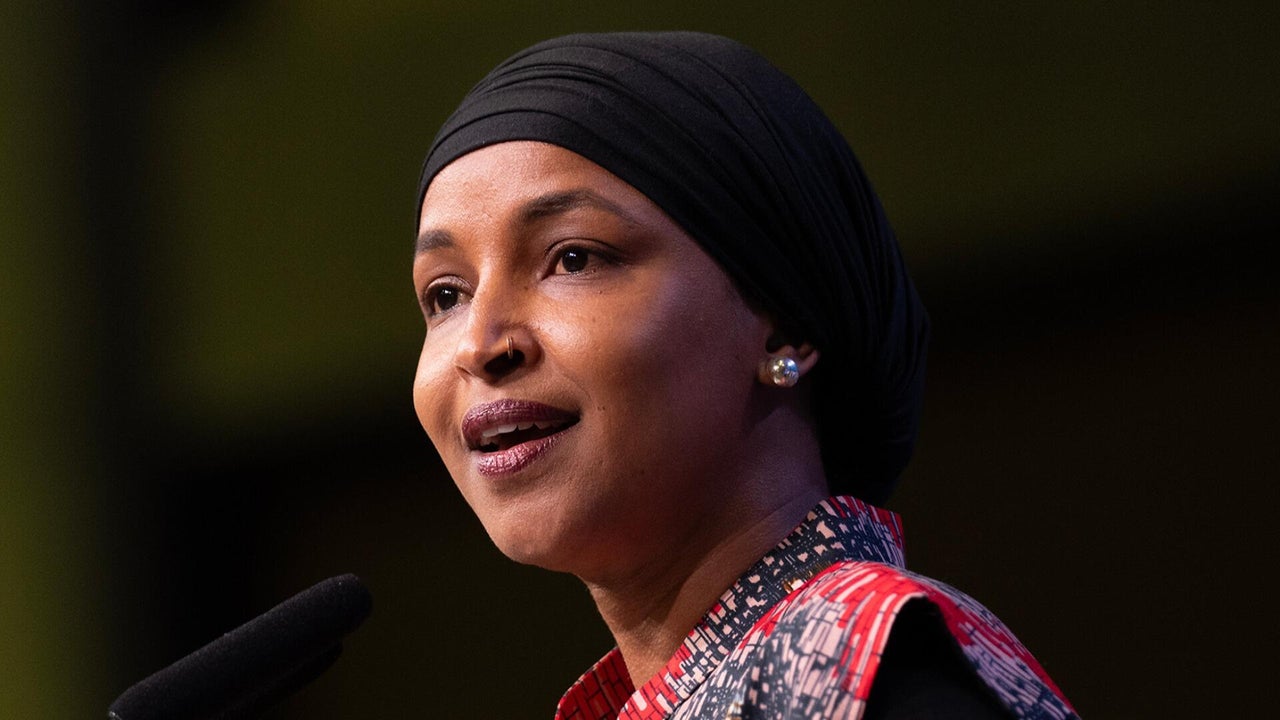
Then she asked whether the appropriate response was to eliminate emergency meal access or strengthen oversight.
Ken.n.e.d.y answered that Congress should design programs capable of doing both.
O.m.a.r nodded.
“Then we should examine how to protect children and taxpayers simultaneously.”
The hearing took another turn.
The chairman asked the analyst to explain why Feeding Our Future expanded so dramatically.
The analyst described the organization’s rapid growth during the pandemic.
The nonprofit sponsored meal distribution sites participating in federal child nutrition programs.
Federal prosecutors later established that numerous fraudulent claims had been submitted through the operation.
The scandal involved false claims concerning enormous quantities of meals.
Some participating sites claimed to serve numbers that drew scrutiny.
The Minnesota Department of Education’s oversight failures became a central subject of subsequent investigations.
O.m.a.r listened carefully.
Then she pointed toward the scale of the fraudulent claims.
“Those numbers should have triggered meaningful verification.”
Ken.n.e.d.y agreed.
He argued that suspicious reimbursement patterns demanded aggressive examination.
The congresswoman continued.
“Then Congress should investigate why those warning signs weren’t addressed effectively.”
The moderator asked whether the MEALS Act itself required officials to approve fraudulent reimbursements.
The analyst answered no.
The legislation’s emergency purpose concerned maintaining nutrition access during the pandemic.
False reimbursement claims remained unlawful.
The Minnesota case involved individuals exploiting weaknesses in the administration and oversight of federal programs.
Ken.n.e.d.y acknowledged that the statute did not authorize criminal fraud.
But he maintained that lawmakers bore responsibility for examining unintended consequences of legislation.
O.m.a.r agreed.
She then emphasized that evaluating consequences required examining both the abuses and the legitimate benefits.
The discussion returned to Louisiana.
The state had faced widespread school closures.
Families needed alternative methods of obtaining meals.
School systems and participating organizations had adapted distribution procedures.
The Louisiana Department of Education had publicly supported emergency meal access through federal flexibility.
O.m.a.r pointed toward those records.
“These weren’t theoretical benefits, Senator.”
She paused.
“Your state was dealing with the same national emergency.”
Ken.n.e.d.y acknowledged Louisiana’s circumstances.
But he questioned whether temporary waivers should have remained in place as conditions changed.
O.m.a.r responded that the duration of emergency flexibility deserved examination.
She agreed that temporary measures should be reviewed as circumstances evolved.
But she rejected the suggestion that their use during the crisis was inherently illegitimate.
The chairman asked whether Louisiana’s reliance on federal waivers demonstrated that Minnesota’s oversight had been adequate.
The analyst answered no.
The two questions required separate analysis.
Louisiana’s use of emergency flexibility established that such measures had legitimate applications.
Minnesota’s fraud prosecutions established that criminals exploited weaknesses in the system.
Neither finding automatically resolved the other.
O.m.a.r acknowledged the distinction.
Then she looked directly at Ken.n.e.d.y.
“That’s why I brought the actual records.”
She placed her final document beside his original folder.
It summarized the central question raised by his accusation.
Did emergency nutrition waivers create vulnerabilities that required stronger oversight?
The answer was yes.
Did the existence of those vulnerabilities mean every legitimate use of pandemic flexibility was fraudulent?
The answer was no.
And had Louisiana publicly relied on federal emergency meal flexibility?
Its own education department’s records confirmed that it had.
Ken.n.e.d.y examined the documents without speaking.
The senator had originally framed the confrontation around Minnesota’s fraud scandal.
O.m.a.r had expanded the discussion to include Louisiana’s use of the same broader emergency nutrition framework.
The evidence did not erase the Minnesota scandal.
But it challenged any suggestion that pandemic meal flexibility existed solely to benefit dishonest operators.
The chairman asked both lawmakers for final remarks.
Ken.n.e.d.y argued that government programs needed effective safeguards before large sums were distributed.
He emphasized that taxpayers deserved assurance that federal funds reached their intended recipients.
O.m.a.r agreed.
She maintained that the children who depended on emergency meals also deserved consideration.
She argued that the proper lesson involved building systems that preserved access while preventing abuse.
The senator returned to his opening accusation.
He asked whether she accepted that emergency legislation could contribute to unintended vulnerabilities.
O.m.a.r answered yes.
But she insisted that responsibility for those vulnerabilities needed to be examined accurately.
Federal legislation.
USDA waiver decisions.
State oversight.
Program sponsors.
And individual criminal conduct.
Those were different levels of responsibility.
Ken.n.e.d.y acknowledged that distinction.
Then O.m.a.r delivered the question she had been preparing throughout the hearing.
She pointed toward the Louisiana guidance.
“Senator, your own state relied on federal meal waivers during the pandemic.”
Ken.n.e.d.y looked toward the document.
She continued.
“Those waivers helped schools keep feeding children when ordinary meal service was disrupted.”
The fictional chamber became quiet.
O.m.a.r placed the Minnesota fraud report beside Louisiana’s emergency feeding guidance.
Then she delivered her final sentence.
“Senator Ken.n.e.d.y, if these pandemic meal waivers were so indefensible, why did Louisiana rely on the same federal flexibility to keep its own children fed?”
The room fell silent.
Ken.n.e.d.y responded that legitimate emergency feeding programs did not excuse fraudulent reimbursement claims.
O.m.a.r acknowledged the point.
But she maintained that criminal misuse did not erase the legitimate reason the federal flexibility existed.
The chairman closed the exchange.
The two folders remained on the desk.
One documented the serious failures exposed by Minnesota’s Feeding Our Future scandal.
The other documented Louisiana’s reliance on federal pandemic meal waivers.
The confrontation had not established that O.m.a.r personally participated in fraud.
Nor did Louisiana’s use of emergency waivers establish that every part of the federal program was properly designed.
The evidence supported a more specific conclusion.
Emergency nutrition flexibility helped states respond to unprecedented school closures.
The same period also exposed serious oversight weaknesses that dishonest operators exploited.
A responsible examination needed to account for both realities.
Fraudulent claims deserved investigation and prosecution.
Legitimate meal programs deserved protection.
And policymakers needed to determine how future emergencies could be managed without repeating the same failures.
O.m.a.r gathered her Louisiana records.
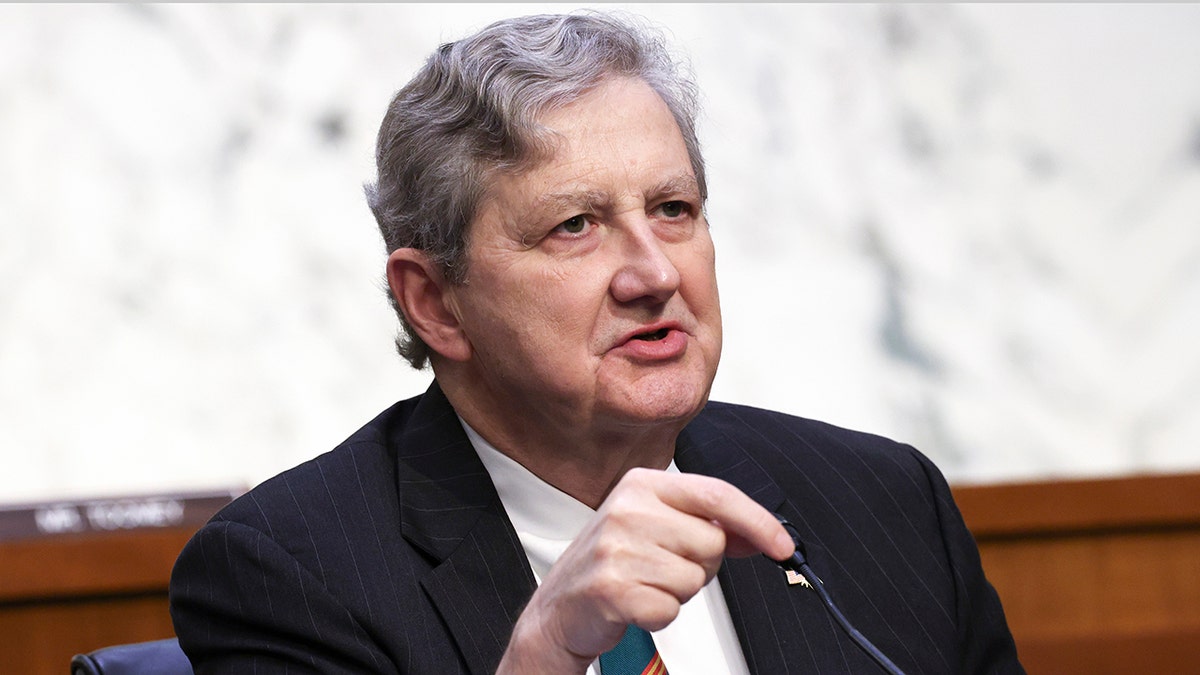
Ken.n.e.d.y closed his manila folder.
The hearing ended with the central question still visible on the screen.
How should Congress preserve emergency access to children’s meals while preventing dishonest operators from exploiting public funds?
The answer required more than blaming one lawmaker or one state.
It required examining federal policy, state administration, oversight failures, and the individuals responsible for criminal acts.
The Minnesota scandal demonstrated the damage that weak controls could permit.
Louisiana’s emergency feeding records demonstrated why flexibility had been needed in the first place.
Both facts deserved attention.
And neither could responsibly be erased from the debate.
Because a government program can serve a legitimate emergency purpose and still require serious accountability when criminals exploit it—and protecting children demands that Congress understand both truths.
