
“WHO ARE YOU REALLY FIGHTING FOR, TED?” Sheldon Whitehou.s.e Confronts Ted Cruz in a Fiery Clash Over Billionaires, Dark Money and Tru.m.p’s Legacy
Two senators, two competing visions of American politics, and one explosive disagreement over who truly benefits from Republican economic policies. The confrontation centers on campaign finance, fossil fuel influence, corporate interests, and the future of working families.
The atmosphere was already tense when Sheldon Whitehou.s.e turned his attention toward Ted Cruz, challenging the Republican senator over the relationship between wealthy political donors and the policies supported by his party.
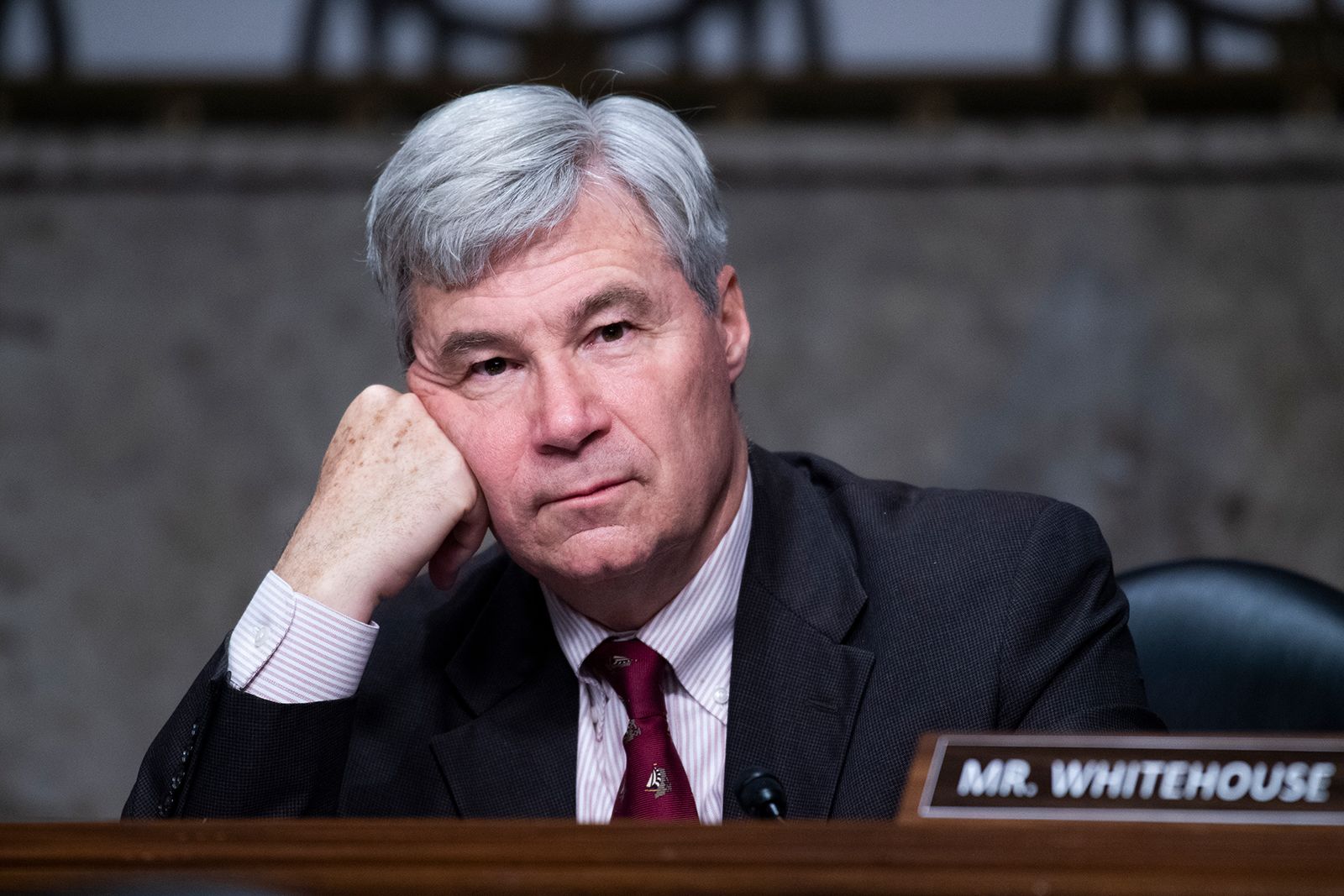
Whitehou.s.e was not interested in another philosophical debate about patience, faith, or the American dream. He wanted to discuss money, political influence, and the powerful interests behind Washington’s decisions.
“Senator Cruz, before you lecture Americans about working families, perhaps you should explain whose interests your political allies have been protecting,” Whitehou.s.e argued.
Cruz, a longtime Republican voice on economic and constitutional issues, has repeatedly defended conservative policies and challenged Democratic proposals. But Whitehou.s.e’s criticism focused on a different question: who ultimately benefits from the Republican policy agenda?
Whitehou.s.e had previously confronted Cruz over dark money during a Senate hearing in 2025. In an August 12 campaign email, he described their disagreement and accused Republicans of protecting undisclosed political spending from fossil fuel interests.
“Are you suggesting that Republicans have no responsibility for the influence of wealthy donors?” Whitehou.s.e challenged in a dramatized reconstruction of the exchange.
Cruz would have a straightforward counterargument: Democrats also receive substantial support from wealthy donors, and political contributions do not automatically establish that lawmakers are controlled by contributors.
“Senator Whitehou.s.e, you cannot simply accuse people of corruption because they disagree with your policies,” Cruz might respond.
“I’m not asking you to agree with my policies,” Whitehou.s.e would fire back. “I’m asking why your party repeatedly opposes transparency.”
The disagreement had a documented foundation. Whitehou.s.e had promoted the DISCLOSE Act, legislation intended to increase transparency around political spending, and criticized Republican opposition to it.
He argued that the fossil fuel industry had used political spending to influence energy policy, while Cruz’s broader political position raised a competing debate about campaign finance, constitutional rights, and government regulation.
The senator’s next argument centered on an issue he had spent years investigating: the influence of oil and gas interests over American energy policy.
Whitehou.s.e had repeatedly argued that wealthy fossil fuel donors benefited from policies that weakened environmental protections and slowed the expansion of renewable energy.
In his October 23, 2025, Senate speech, he presented a detailed account of what he described as a political bargain between fossil fuel interests and the Tru.m.p administration.
He discussed campaign fundraising, industry connections, regulatory decisions, and the potential financial consequences for American households.
“Let’s talk about working families,” Whitehou.s.e might challenge Cruz in an imagined exchange. “When energy policies favor established fossil fuel interests, who pays the cost when consumers face higher bills?”
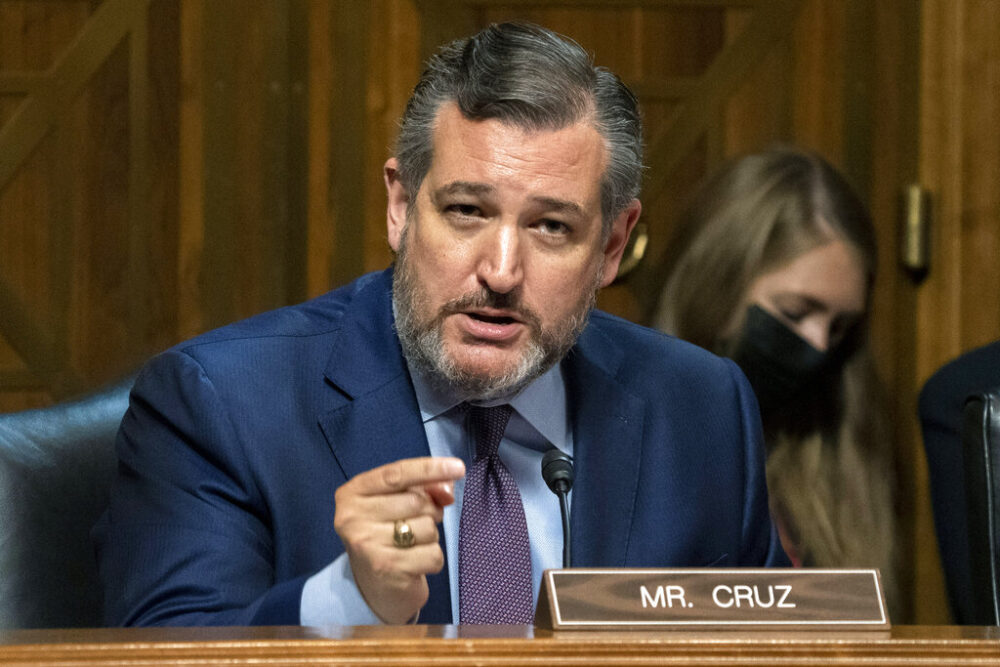
Cruz could counter:
“American families need reliable and affordable energy. You cannot build an energy policy around political slogans while ignoring the cost of keeping the lights on.”
Whitehou.s.e would immediately return to the central issue.
“And nobody is suggesting that families should lose access to reliable energy. The question is whether political influence determines which industries receive government support.”
That was the argument Whitehou.s.e wanted to place at the center of the debate.
THE BIGGER QUESTION REMAINS
A September 2026 report released by Senate Democrats and Whitehou.s.e examined fossil fuel political contributions, administration appointments, regulatory decisions, and alleged economic consequences for consumers.
The report presented the Democrats’ findings and interpretations, rather than an independent judicial determination that political donations had purchased government decisions.
The underlying disagreement therefore remains significant.
How much influence should wealthy donors have over public policy?
Where should campaign finance transparency begin and constitutional protections for political spending end?
And how can voters determine whether elected officials are prioritizing their constituents or the interests of powerful industries?
Those questions are larger than the personal disagreements between Cruz and Whitehou.s.e.
And the next time the two senators face each other, the argument over dark money may return with an even more uncomfortable question: Who really gets to write America’s energy policy — the voters, the politicians, or the people financing the political machinery?
