
Jim Jordan and Jack Smith: The Heated Congressional Showdown Behind the Viral “Final Knockout” Claim
The confrontation between House Judiciary Committee Chairman Jim Jordan and former Special Counsel Jack Smith brought one of Washington’s most contentious political disputes into the congressional spotlight: whether the Justice Department’s investigations into Donald Trump represented legitimate law enforcement or an abuse of federal prosecutorial power.
During a public hearing on January 22, 2026, Jordan used his opening statement to present a broad indictment of Smith’s work, accusing the former special counsel of pursuing politically motivated investigations and employing investigative powers in ways that threatened constitutional protections. Smith, appearing before the committee for the first time in public, rejected that characterization and defended the decisions made by his office.
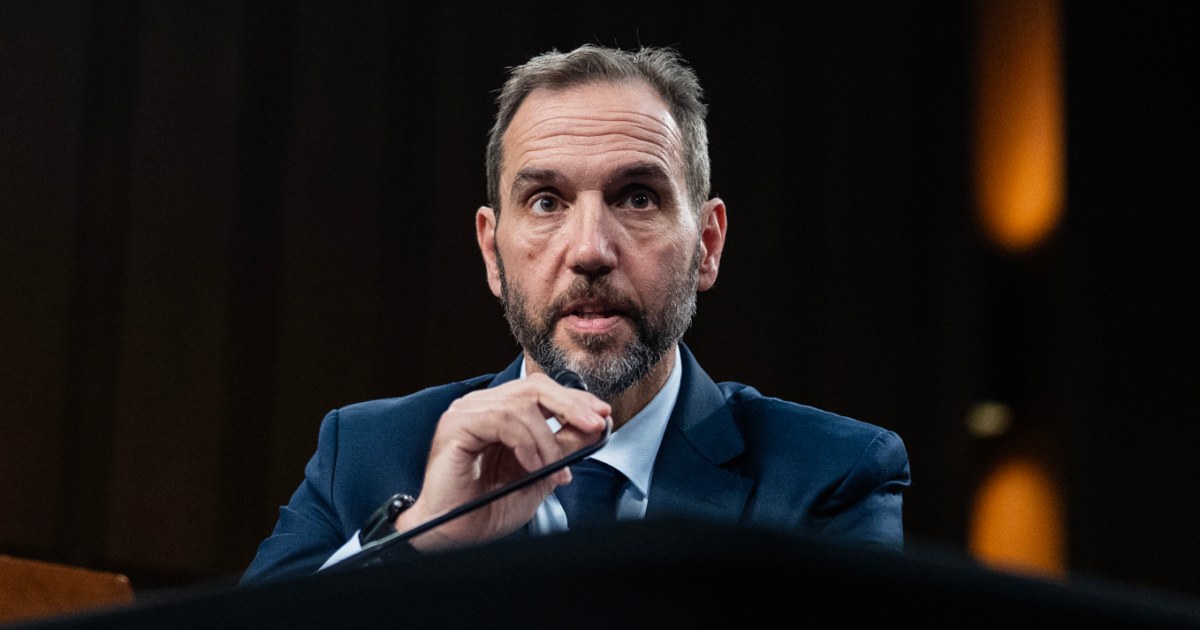
The hearing was combative, and the disagreement was unmistakable. But a viral account claiming that Smith delivered a devastating second response in less than 20 seconds, leaving Jordan visibly defeated, adds dramatic details that the available transcript does not establish.
Jordan began by outlining his central argument: that the investigations involving Trump had been driven by political considerations rather than neutral enforcement of federal law. He highlighted the subpoena for former House Speaker Kevin McCarthy’s phone records, the nondisclosure order obtained during the investigation and the involvement of investigators who had previously worked on related matters.
Jordan argued that obtaining congressional phone records represented an extraordinary intrusion into the legislative branch. He also questioned the circumstances surrounding the search of Trump’s Mar-a-Lago property, Smith’s appointment as special counsel and the timing of legal filings in the election interference case.
His broader accusation was that federal investigative authority had been used against a political opponent during a presidential campaign. Jordan repeatedly returned to the phrase “weaponization of the Justice Department,” presenting it as the central explanation for the investigations and their consequences.
Smith entered the hearing with a sharply different account. In his prepared statement, he emphasized that he had served as a career prosecutor for nearly three decades under both Republican and Democratic administrations. He said his decisions as special counsel had been based on facts and law, without regard to Trump’s political affiliation or presidential ambitions.
Smith also defended the indictments returned by grand juries in two separate federal districts. He maintained that his investigations had developed evidence supporting the charges and said he would have made the same prosecutorial decisions regardless of whether the subject had been a Republican or a Democrat.
His statement addressed two major investigations: the retention of classified documents after Trump’s first presidency and the alleged effort to overturn the results of the 2020 presidential election. Smith described evidence that, according to his office, supported allegations of obstruction and attempts to interfere with the lawful transfer of presidential power.
He also acknowledged the restrictions governing his testimony. A judicial order concerning the classified documents investigation limited what he could discuss about the second volume of his final report. As a result, Smith said he would confine his answers to matters already addressed in indictments and other public court filings.
The first exchanges demonstrated how far apart the two sides remained. Jordan questioned the collection of telephone records belonging to members of Congress, arguing that the process threatened legislative independence and constitutional protections. Smith’s defense rested on the investigative relevance of those records and the legal procedures followed by his office.
The issue was particularly sensitive because the records concerned communications involving elected officials during a period when Trump and his associates were attempting to challenge the 2020 election results. The investigation sought toll records, which generally identify the timing and duration of calls rather than revealing the actual content of conversations.

Jordan argued that even this information could expose sensitive details about congressional activity and relationships. Democrats on the committee countered that investigators had sought the records because Trump had contacted members of Congress as part of the conduct under investigation.
Smith’s testimony placed the dispute within the broader question of how investigators should handle evidence involving elected officials. The fact that a record belongs to a member of Congress does not automatically make it immune from every investigative demand. At the same time, constitutional protections concerning legislative activity impose important limits that government investigators must respect.
Another exchange focused on Cassidy Hutchinson, the former White House aide whose testimony before the January 6 committee became a major subject of political controversy. Jordan questioned Smith about her reliability and whether the prosecution had considered relying on statements that could be challenged as hearsay.
Smith acknowledged that some of Hutchinson’s information had been secondhand. Jordan used that acknowledgment to question whether prosecutors had been prepared to rely on testimony that might face evidentiary challenges in court.
The disagreement reflected a larger dispute over the evidentiary record surrounding January 6. Republicans on the committee challenged the credibility of particular witnesses and the methods used by investigators. Smith maintained that prosecutors had assessed the available evidence according to established legal standards.

The hearing also brought attention to the distinction between evidence sufficient to support an indictment and evidence ultimately presented at trial. A grand jury determines whether probable cause exists to charge an individual. A criminal trial requires prosecutors to establish guilt beyond a reasonable doubt, subject to the rules governing admissibility and the defendant’s right to challenge the government’s case.
Smith’s prepared statement repeatedly referred to the evidence developed by his office, but the public hearing did not amount to a criminal trial or a judicial determination of the allegations. The committee was conducting congressional oversight, not deciding whether the charges against Trump should have resulted in convictions.
As the hearing continued, lawmakers from both parties used their allotted time to challenge Smith or defend his work. Republican members questioned his decisions, his interpretation of prosecutorial responsibilities and the legal basis for investigative measures. Democratic members emphasized his career record and argued that political attacks on the special counsel were distracting from the underlying events of January 6 and the classified documents investigation.
The sharpest disagreements often involved the same facts interpreted through entirely different political and legal frameworks. For Republicans, the collection of congressional phone records and the timing of the prosecutions illustrated a dangerous expansion of executive power. For Democrats, those investigative steps were connected to efforts to examine conduct that had direct relevance to the election certification process.
Smith did not accept the suggestion that his work had been motivated by a desire to prevent Trump from returning to office. He argued that prosecutors had a responsibility to investigate potential crimes regardless of the political identity of the individuals involved. He also defended the decision to seek restrictions on certain public statements, explaining that prosecutors had to consider the potential effects on witnesses and the administration of a criminal trial.
The hearing therefore became more than a personal confrontation between a committee chairman and a former special counsel. It exposed competing interpretations of the relationship between presidential power, prosecutorial independence and congressional oversight.
The viral claim that Smith produced a secret final statement that permanently ended Jordan’s argument is not supported by the available record. Nor does the transcript establish that Jordan’s expression changed in the dramatic manner described online or that political insiders were attempting to suppress a decisive piece of footage.
What the documented hearing does show is a lengthy and often contentious exchange in which Jordan repeatedly challenged Smith’s investigative decisions while Smith defended the legal basis and professional judgment behind his work.
The broader question remains central to American constitutional politics: how should the government investigate a former president without allowing political considerations to influence the process, and how can Congress scrutinize those investigations without turning oversight into another partisan contest?
Jordan’s questions reflected concerns about investigative authority, congressional privacy and the limits of federal power. Smith’s answers reflected his insistence that prosecutors must follow evidence and law regardless of political consequences.
Neither side persuaded the other during the hearing. But the exchange placed the underlying constitutional questions directly before the public, where they remain part of the continuing debate over the independence of the Justice Department and the accountability of those who exercise its authority.
