
John Kennedy and John Roberts: The Supreme Court Ethics Controversy Behind the Viral Binder Story
A thick binder, a carefully chosen page and a question about who has the authority to hold America’s most powerful judges accountable. That is the dramatic image circulating in a viral account of an alleged confrontation between Senator John Kennedy and Chief Justice John Roberts. But the documented events behind the story reveal a different, and equally consequential, dispute over judicial independence and Supreme Court ethics.
The viral narrative describes Kennedy confronting Roberts during a Capitol Hill hearing, challenging whether the Supreme Court’s ethical rules have any meaningful enforcement mechanism. Roberts supposedly pushed back, defending the integrity of the judiciary, before Kennedy reached for a tabbed binder and turned to page twelve. The account stops just before revealing what the senator allegedly intended to show.
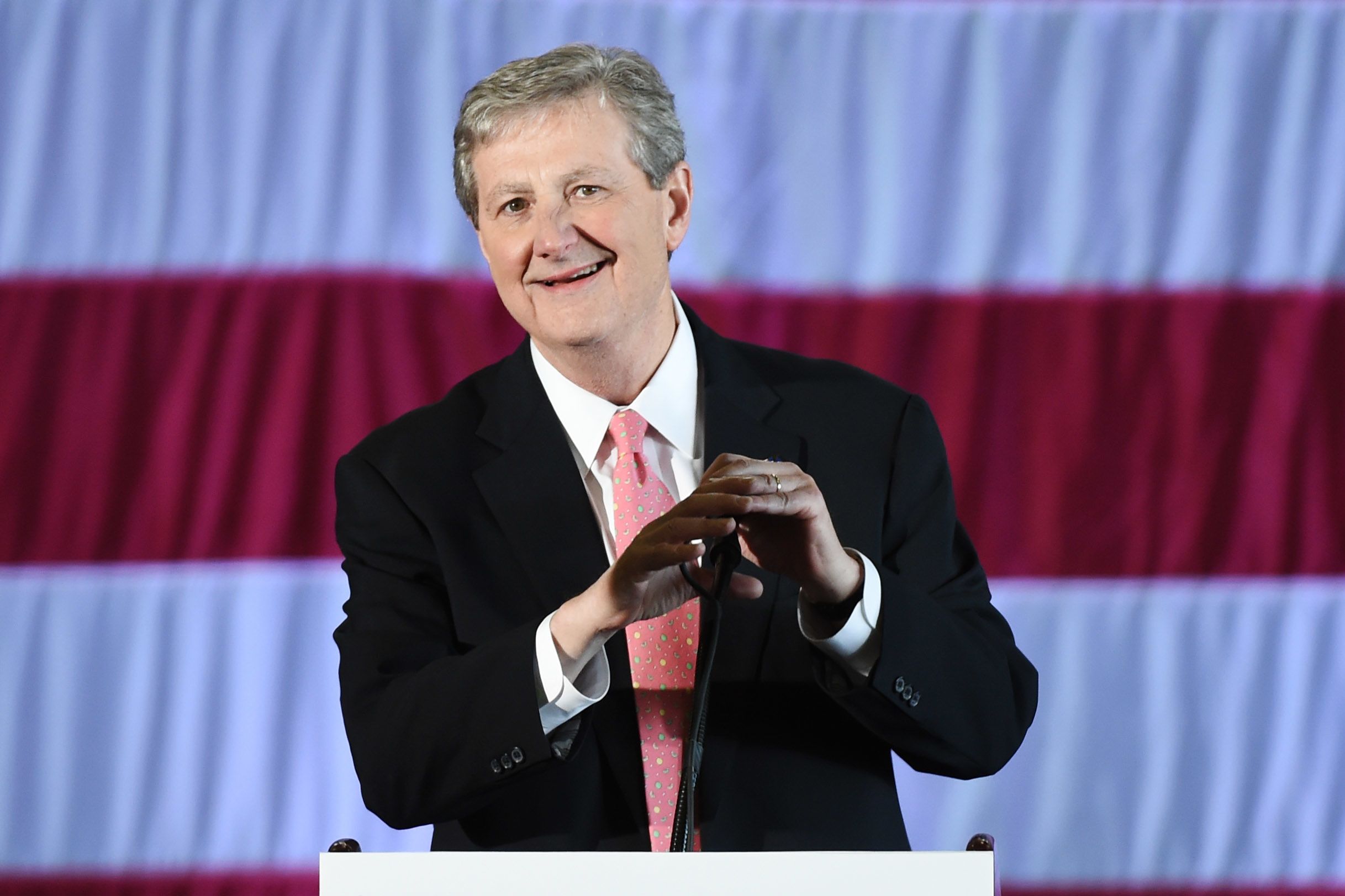
There is, however, a fundamental problem with that description: Roberts did not attend the Senate Judiciary Committee’s May 2, 2023, hearing on Supreme Court ethics. He had been invited by committee chairman Dick Durbin but declined to testify. Consequently, the described face-to-face exchange between Kennedy and Roberts cannot be established from the official record.
The actual hearing was nevertheless a significant moment in the continuing debate over the Supreme Court’s ethical standards. It brought together senators, legal experts and former judges to examine whether the justices should be subject to a formal code of conduct with meaningful enforcement procedures.
The controversy had intensified following investigative reports about undisclosed gifts, luxury travel and financial relationships involving members of the Supreme Court. Reports concerning Justice Clarence Thomas and billionaire Republican donor Harlan Crow raised questions about whether the disclosure and recusal practices applied to the justices were sufficiently transparent.
Durbin argued that the Court’s existing approach had failed to address growing concerns about public confidence. On April 20, 2023, he formally invited Roberts, or another justice designated by him, to testify before the committee. The invitation specifically concerned the ethical rules governing Supreme Court justices and possible reforms.
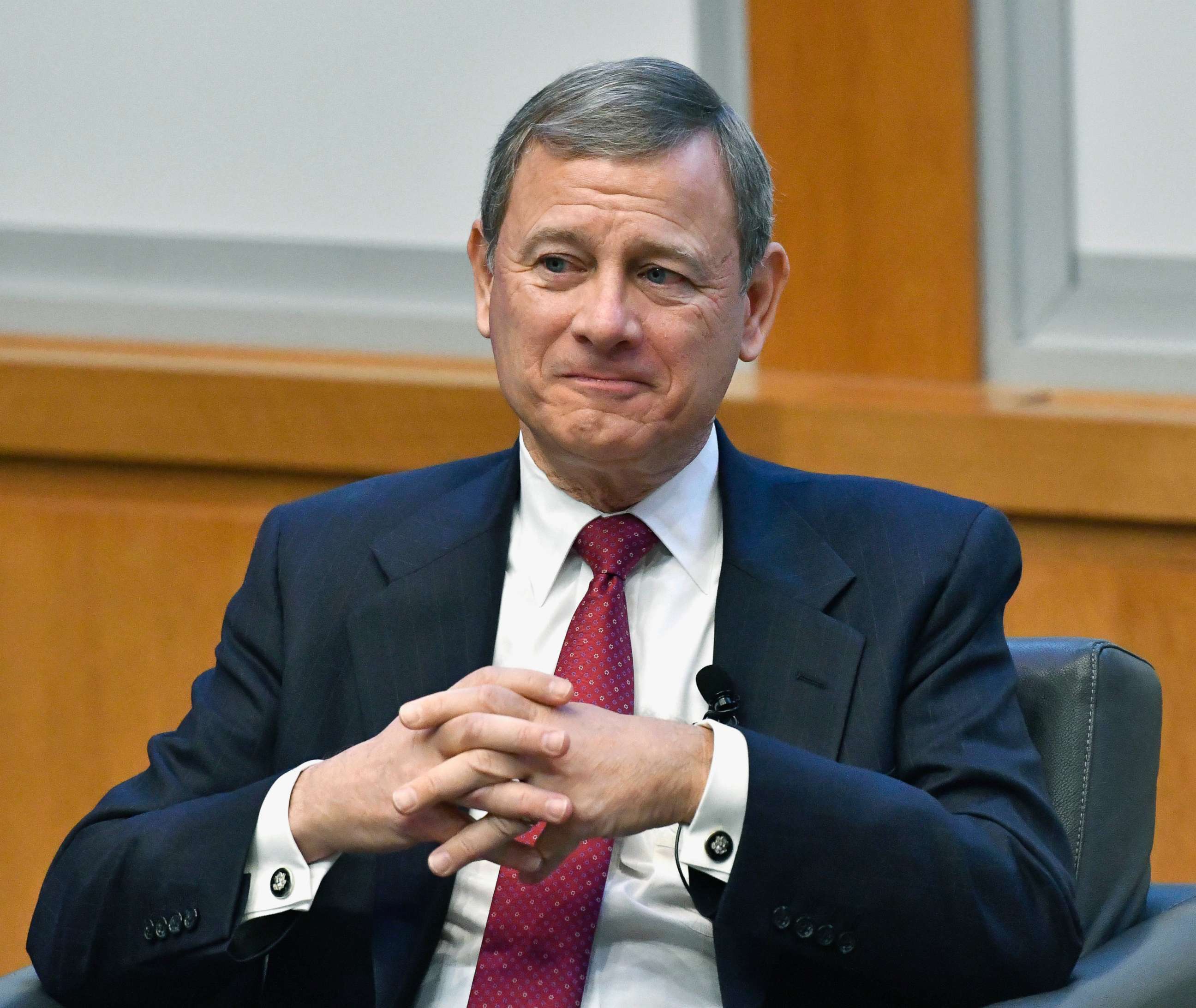
Roberts declined five days later. In his response, he described testimony by a sitting chief justice before the Senate Judiciary Committee as exceedingly rare and cited concerns about separation of powers and the importance of preserving judicial independence.
Instead of appearing, Roberts supplied a statement signed by all nine justices outlining the ethical principles and practices they said governed their conduct. The document reaffirmed obligations concerning impartiality, financial interests, gifts and other potential conflicts.
For supporters of the Court’s position, the response demonstrated that the justices recognized their ethical responsibilities and were capable of addressing concerns without congressional intervention. Critics, however, argued that a statement of principles was not equivalent to an enforceable system.
That distinction became central to the hearing. A code of conduct can describe what judges should do, but the more difficult question is what happens when a justice is accused of violating those standards. Who investigates? Who determines whether a violation occurred? And what consequences, if any, can follow?
Kennedy approached the hearing from a different perspective than Democratic members who advocated stronger congressional involvement. In his remarks, he argued that the discussion risked becoming a political effort to undermine the Supreme Court because of dissatisfaction with its decisions.
He characterized the hearing as an attempt by some Democrats to attack an institution they could not control through judicial outcomes. Kennedy also emphasized that federal law already required financial disclosures and recusal in certain circumstances, arguing that the existence of ethical obligations should not automatically become a justification for questioning the motives of individual justices.
His position reflected a broader Republican concern that Congress could cross constitutional boundaries if it attempted to impose or enforce detailed ethical requirements on the Supreme Court. The judiciary, under this view, must retain sufficient independence to decide cases without political pressure from elected officials.
Other participants argued that independence did not mean the Court should be exempt from meaningful accountability. Legal experts appearing before the committee discussed whether Congress possessed authority to establish additional ethical requirements and whether the justices should create an internal mechanism capable of reviewing alleged violations.
The disagreement was not simply about whether ethical standards were necessary. It concerned the institutional structure required to make those standards credible.
Former federal judges and legal scholars noted that the appearance of a conflict can damage confidence in a judicial decision even when there is no proof that the judge was actually influenced. A system that relies heavily on individual justices to decide whether they should recuse themselves can therefore leave difficult questions unresolved.
Roberts’ written response did not eliminate those concerns. The statement described ethical principles but did not create an independent investigative body or a formal disciplinary procedure capable of imposing sanctions on a justice.
In November 2023, the Supreme Court announced its first formal Code of Conduct. The document identified standards intended to guide the justices in matters involving impartiality, outside activities, gifts and financial relationships. It represented a significant institutional acknowledgment that written ethical guidance was necessary.
However, the code did not establish an independent enforcement mechanism. It left substantial responsibility for interpreting and applying the standards with the justices themselves, prompting critics to question whether the new document would produce meaningful accountability when a serious allegation emerged.
The Senate Judiciary Committee’s investigation continued. On December 21, 2024, the committee’s Democratic majority released a report following a 20-month investigation into the Supreme Court’s ethics practices. The report included information obtained through committee subpoenas and criticized the Court’s response to concerns involving gifts, travel and financial disclosures.
The report represented the findings and position of the committee’s Democratic majority, rather than a judicial ruling that every allegation described in it had been established. Nevertheless, it demonstrated how far the controversy had developed beyond the initial disagreement over Roberts’ decision not to testify.
The central institutional question remained unresolved: whether the Supreme Court should be allowed to regulate its ethical conduct primarily through internal procedures or whether Congress should establish additional requirements through legislation.
Both sides invoke the Constitution in defending their positions. Supporters of greater congressional oversight argue that the Supreme Court exercises immense public authority and should not be the final judge of every question concerning its own ethical conduct. Opponents warn that legislative control could expose justices to political retaliation and weaken the separation of powers.
These competing concerns help explain why the issue has proved so difficult to resolve. The Supreme Court must remain independent from political pressure, but its legitimacy also depends on public confidence that its members follow consistent ethical standards.
The viral binder story turns that complicated constitutional debate into a theatrical confrontation between two recognizable political figures. Yet the available record does not establish that Kennedy displayed a tabbed binder, turned to page twelve or confronted Roberts in person during the ethics hearing. Roberts was absent, and Kennedy’s documented remarks were directed at the broader debate and the lawmakers participating in the session.
What actually happened was less cinematic but more important. A chief justice declined to testify before Congress, a senator challenged the motives behind calls for judicial reform, legal experts debated the limits of congressional authority, and the Supreme Court subsequently adopted a formal code that critics said lacked sufficient enforcement.
The page that matters most in this debate is not an unverified page twelve in a senator’s binder. It is the unresolved question at the heart of the American judicial system: how can the highest court preserve its independence while demonstrating that ethical rules apply in practice, not merely in principle?
