
The January 20 Interview That Put Both Presidents Under Scrutiny
David Muir confronted Senator Amy Klobuchar with a question about presidential pardons on January 20, 2025, as Washington witnessed an extraordinary transfer of power.
Joe Biden had just completed his presidency, and Donald Trump had returned to the White House following his inauguration.
But even before the new administration began its work, controversial presidential pardons had created a fierce debate about justice and accountability.
Biden had issued extraordinary protections for members of his family and several individuals who feared politically motivated investigations under Trump.
Meanwhile, Trump was preparing sweeping pardons involving defendants charged in connection with the January 6, 2021, attack on the Capitol.
Both developments placed the Constitution’s presidential clemency power at the center of a national controversy.
During an interview with ABC News, Muir asked Klobuchar about Biden’s last-minute pardons and Trump’s expected actions.
The Minnesota Democrat faced an uncomfortable political question.
Could she criticize a president from her own party while opposing similar exercises of presidential authority by a Republican?
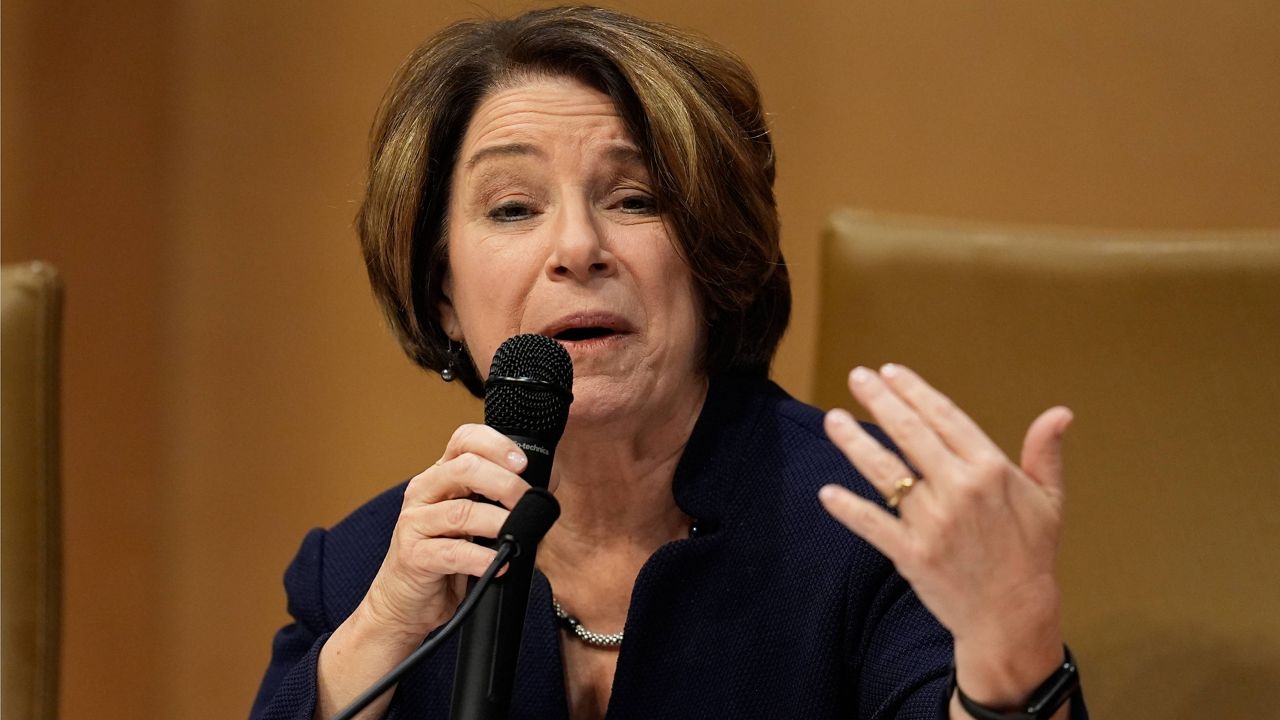
Klobuchar answered by reaffirming a position she had expressed before the inauguration.
She opposed broad clemency decisions that bypassed careful examination of individual cases.
The senator explained that she had long supported changing how presidents reviewed applications for pardons and commutations.
Her preferred solution involved an independent commission capable of evaluating cases individually.
That answer mattered because Klobuchar had already criticized controversial decisions made by Biden.
She had also questioned pardons issued during Trump’s first presidency.
The interview therefore revealed a disagreement extending beyond ordinary partisan loyalty.
It raised questions about whether presidential clemency should depend on careful legal review or the personal judgment of one elected official.
And the political consequences became more significant when Trump exercised his pardon authority later that same day.
Biden’s Final Pardons Created an Immediate Political Problem
Biden’s final hours in office included a series of unusual presidential clemency decisions.
On January 20, he granted preemptive pardons to several individuals who had faced threats of investigation or prosecution from Trump and his political allies.
The recipients included former federal health official Anthony Fauci and retired General Mark Milley.
Members and staff of the congressional committee investigating January 6 also received protection.
Biden argued that the pardons were necessary because the individuals could face unjustified politically motivated prosecutions.
He emphasized that receiving a pardon did not constitute an acknowledgment of wrongdoing.
The distinction was particularly important because many recipients had not been convicted or even charged with crimes.
Biden also issued preemptive pardons to members of his family.
Those actions intensified criticism because he had previously defended the importance of respecting judicial independence and established legal procedures.
His supporters argued that the incoming administration’s rhetoric created extraordinary circumstances requiring preventive action.
Critics questioned whether broad pardons for relatives and political associates established a troubling precedent.
The controversy also followed Biden’s December 2024 pardon of his son Hunter Biden.
That pardon covered a broad period of potential federal offenses, extending well beyond the specific charges involved in Hunter’s existing cases.
Biden defended the decision by arguing that his son had been unfairly targeted for political reasons.
But the breadth of the pardon raised questions among Democrats as well as Republicans.
Klobuchar had publicly expressed disagreement with that decision.
Her position meant that Muir was not asking whether she could find a reason to criticize Trump alone.
He was asking whether her existing objections applied equally to the outgoing Democratic president.
The senator’s answer emphasized the need for a more structured decision-making process.
But the constitutional problem was more complicated than simply creating another government review board.
Klobuchar Had Already Criticized Biden Before Muir Asked
Klobuchar’s criticism of broad presidential clemency was not invented for the inauguration interview.
On December 15, 2024, she appeared on CBS’s Face the Nation and questioned several controversial decisions made by Biden.
The discussion followed Biden’s announcement of approximately 1,500 sentence commutations, an unusually large number for a single day.
The commutations primarily concerned people who had been placed on home confinement during the pandemic.
However, several individuals included in the broader action had histories involving serious financial crimes and other misconduct.
CBS moderator Margaret Brennan questioned Klobuchar about those cases.
The senator acknowledged that she disagreed with several decisions.
She also criticized the pardon issued to Hunter Biden.
But Klobuchar went further.
She said that she had disagreed with numerous pardons granted during Trump’s earlier presidency.
Her criticism was therefore directed toward the structure of the clemency process rather than one president’s party affiliation.
She argued that the system needed independent review instead of broad categories receiving relief without sufficient individual examination.
Klobuchar acknowledged that some recipients may have deserved clemency.
But she believed others required closer scrutiny because of the seriousness of their offenses.
That distinction was central to her position.
A person may deserve mercy after demonstrating rehabilitation, suffering an excessive sentence, or presenting compelling personal circumstances.
But granting relief solely because someone belongs to a broadly defined category can obscure relevant differences between individual cases.
Klobuchar argued that the process needed greater consistency.
She proposed a commission or advisory board capable of reviewing individual applications before presidents made final decisions.
The December interview provided important context for her January conversation with Muir.
Her position had already created distance between herself and some decisions made by Biden.
But the political test became more difficult when Trump began exercising the same constitutional power.
Trump’s January 6 Pardons Changed the Stakes
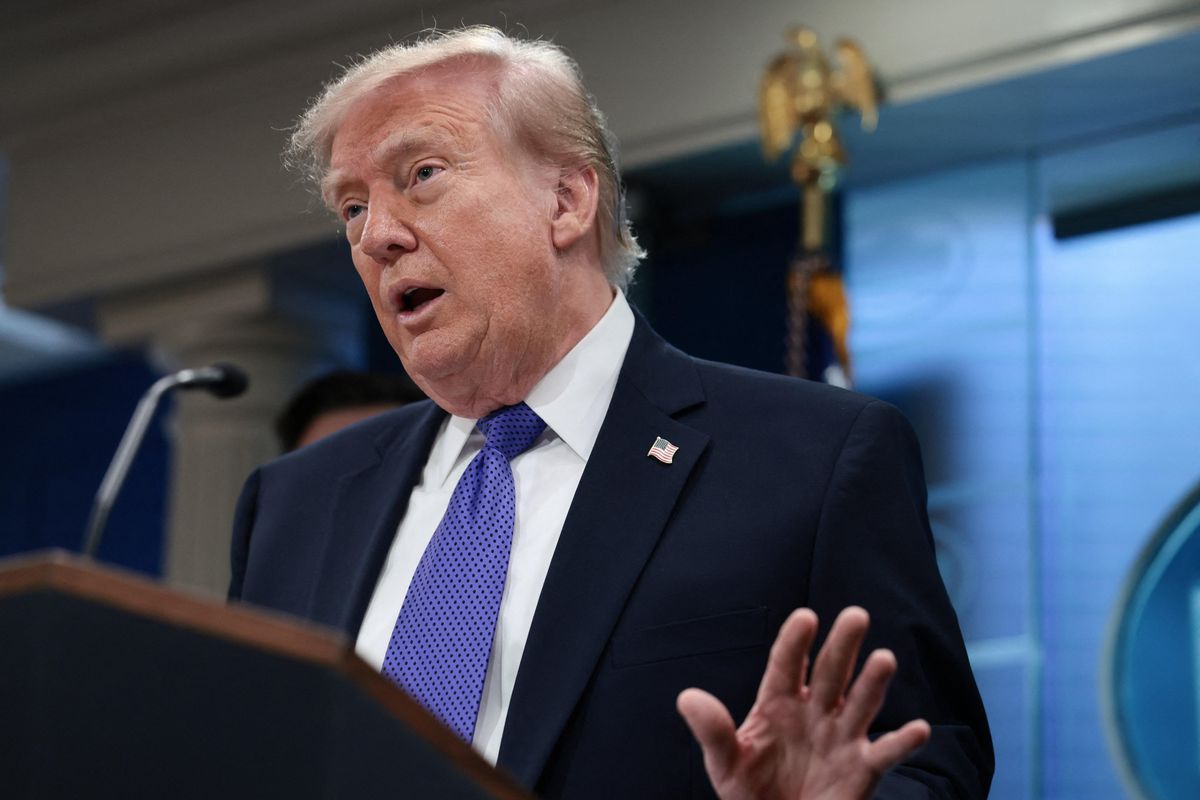
Within hours of taking office on January 20, Trump issued sweeping clemency covering defendants associated with the January 6 Capitol attack.
The action affected more than 1,500 people through pardons or commutations.
The recipients included individuals convicted of offenses involving unlawful entry and obstruction.
Others had been convicted of serious violence against law enforcement officers.
Trump defended the decision as correcting what he considered excessive prosecutions and politically motivated treatment.
Supporters argued that many defendants had been punished unfairly or received penalties disproportionate to their conduct.
Critics challenged the inclusion of people convicted of assaulting police officers and participating in violent attacks.
The scope of the decision immediately created disagreements within the Republican Party.
Senator Thom Tillis expressed concern about clemency granted to violent offenders.
Senator Susan Collins also opposed pardons involving people who assaulted officers or committed other violent acts.
Other Republican senators defended Trump’s constitutional authority or supported his broader decision.
Their responses demonstrated that the disagreement was not exclusively partisan.
Some lawmakers distinguished between defendants convicted of nonviolent offenses and those whose actions involved physical violence.
That distinction reflected the same concern Klobuchar had raised about individualized review.
Broad clemency could treat significantly different conduct under one presidential directive.
But defenders of Trump’s decision argued that the prosecutions themselves deserved scrutiny.
They also emphasized the president’s constitutional authority to grant pardons.
The disagreement therefore involved both legal power and the judgment exercised in using it.
The Constitution gave Trump broad authority to issue federal pardons.
The controversy concerned whether the particular decisions served justice and the public interest.
That distinction became central to Klobuchar’s reform proposal.
She was not arguing that a president lacked constitutional clemency authority.
She was questioning whether the existing process provided sufficient safeguards against inconsistent or politically motivated decisions.
The Constitutional Power Neither Party Can Easily Restrict
Article II of the United States Constitution gives presidents authority to grant reprieves and pardons for federal offenses.
The power does not extend to state crimes and contains an exception involving impeachment.

Historically, presidents have exercised the authority to address perceived injustices, excessive sentences, and broader national concerns.
Some decisions have been highly individualized.
Others have involved large groups of people.
President Jimmy Carter granted broad clemency to many Vietnam-era draft evaders shortly after taking office in 1977.
President Gerald Ford pardoned Richard Nixon in 1974, seeking to end the national controversy surrounding his predecessor.
Those examples demonstrate that broad presidential clemency did not begin with Biden or Trump.
But the constitutional authority also creates potential accountability problems.
A president can issue clemency without obtaining congressional approval.
The decisions generally cannot be reversed simply because a later administration disagrees with them.
And the Constitution does not require presidents to follow every recommendation made by Justice Department officials.
The Department of Justice already maintains an Office of the Pardon Attorney.
That office evaluates applications and provides recommendations through established procedures.
But presidents are not legally required to rely exclusively on that process.
They may act independently, including when issuing controversial or politically sensitive pardons.
Klobuchar’s proposal therefore raises a practical question.
Could an outside commission improve the process without improperly restricting the president’s constitutional authority?
An advisory board could examine applications and publish recommendations.
It could establish consistent criteria involving rehabilitation, public safety, sentencing disparities, and the circumstances surrounding convictions.
But making every recommendation legally binding could create constitutional concerns.
A president’s clemency authority comes directly from the Constitution.
Ordinary legislation cannot simply eliminate that authority.
Any meaningful reform must therefore distinguish between improving procedures and changing the underlying constitutional power.
Klobuchar’s position emphasized the first approach.
She wanted better evaluation before decisions were made.
But another question remained.
Would presidents actually follow the recommendations of an independent board when politically important pardons were at stake?
Muir’s Question Exposed the Problem of Political Consistency
Muir’s January 20 interview took place during an unusually symbolic day in American politics.
Klobuchar had chaired the congressional committee responsible for organizing the presidential inauguration.
She had also accompanied Biden and Trump during their limousine journey from the White House to the Capitol.
During the ABC conversation, she discussed the peaceful transfer of power and the importance of maintaining relationships across political divisions.
But the pardon issue created a much sharper test of those principles.
Biden had used his final presidential hours to protect family members and individuals he believed faced political retaliation.
Trump was preparing broad clemency for people prosecuted following the Capitol attack.
The cases involved different circumstances, allegations, and legal consequences.
They should not be treated as identical simply because both presidents exercised the same constitutional authority.
Nevertheless, each raised questions about political influence and the adequacy of individualized review.
Klobuchar argued that the process needed standards capable of surviving changes in presidential administrations.
That position placed her at odds with members of her own party who defended Biden’s final actions.
It also allowed her to criticize Trump’s decisions without claiming that Democratic presidents should receive different treatment.
The issue became particularly sensitive because the Capitol attack involved the peaceful transfer of presidential power.
As the congressional inaugural chair, Klobuchar had helped organize the very ceremony that followed a previous inauguration disrupted by violence.
Her responsibilities gave the conversation an institutional dimension beyond ordinary partisan criticism.
The question was whether the political system could maintain public confidence when presidents issued clemency involving people closely connected to their own interests.
For Biden, critics questioned the pardons involving relatives and political allies.
For Trump, critics questioned the broad relief granted to January 6 defendants, including individuals convicted of violence.
Those controversies raised different factual concerns but a shared procedural issue.
Should presidents face stronger expectations to explain why particular recipients deserve clemency?
Klobuchar’s answer was that structured review could help restore confidence.
But her proposal did not eliminate the possibility of presidents disregarding the resulting recommendations.
That limitation remains one of the central unresolved issues.
The Reform Question Washington Still Has Not Answered
Klobuchar’s January interview with Muir did not produce a newly enacted law or an agreement between the political parties.
It did establish her position at a moment when presidential pardons were attracting extraordinary attention.
She opposed broad clemency decisions that failed to adequately distinguish between individual circumstances.
She had criticized controversial actions by Biden.
She had also challenged pardons issued by Trump.
Her proposed solution involved an outside process offering case-specific recommendations.
The approach reflected a concern that has persisted throughout American constitutional history.
Presidential clemency can correct injustice, but it can also create perceptions of favoritism or unequal treatment.
The power’s flexibility is part of its purpose.
It allows presidents to respond to exceptional situations where ordinary legal remedies may be insufficient.
But that same flexibility can generate controversy when decisions involve relatives, political supporters, or people connected to a president’s personal interests.
The Biden and Trump decisions demonstrated those competing risks.
Biden defended preemptive pardons as protection against potential political retaliation.
Trump defended January 6 clemency as relief from what he considered unfair prosecutions.
Critics questioned the breadth of both actions.
The legal authority to issue them was distinct from the policy judgment involved.
That distinction matters because constitutional power does not automatically settle whether a particular decision was prudent or fair.
Congress can debate reforms without denying the president’s existing authority.
Lawmakers can examine whether independent review, greater disclosure, and clearer written explanations would improve the process.
They can also consider how to protect legitimate clemency applicants from unnecessary delays and political interference.
Any workable system would need to preserve opportunities for exceptional mercy.
It would also need to address the danger of presidents using extraordinary authority primarily to benefit people close to them.
Those goals can create tension.
A process that is too rigid could prevent urgent relief in deserving cases.
A process with no meaningful safeguards can weaken public confidence in equal justice.
Klobuchar’s proposed commission was intended to find a better balance.
But the interview also exposed the limits of procedural reform.
A president determined to bypass advisory recommendations could still invoke constitutional clemency authority.
That leaves a larger question about political accountability.
What should voters, lawmakers, and future presidents expect when clemency decisions appear closely connected to political loyalty?
The answer cannot depend entirely on which party occupies the White House.
A consistent standard would examine the facts of each case, the reasons offered for clemency, and the consequences for victims and public safety.
It would also consider whether the president provided adequate explanations for departing from ordinary review procedures.
Such scrutiny would not require treating every controversial pardon as unlawful.
Nor would it prevent criticism of decisions that remain constitutionally valid.
The central issue is whether extraordinary presidential power is exercised with sufficient care.
Klobuchar’s challenge was not to prove that Biden and Trump made identical decisions, but to explain why both should face serious scrutiny when issuing sweeping clemency.
Her January 20 exchange with Muir showed that a lawmaker could criticize her own party while questioning an opposing president’s actions.
It also revealed why presidential pardon reform remains difficult.
The Constitution gives presidents broad discretion.
Political incentives can encourage them to use that discretion in ways their supporters defend and opponents condemn.
And an independent review system can improve decision-making only if presidents take its findings seriously.
The most consequential question therefore remains unresolved.
Can Washington establish a clemency process that protects both mercy and accountability without allowing political loyalty to determine whose conduct receives scrutiny?
For Klobuchar, the answer begins with evaluating individual cases rather than issuing broad pardons without sufficient review.
For the country, the challenge is applying that principle consistently regardless of who holds presidential power.
That is the issue beneath the controversy surrounding Biden, Trump, and the extraordinary pardons of January 2025.
