
Marco Rubio Confronts Hillary Clinton Over Libya’s $400 Slave Markets — Then Reveals a Warning Memo!…
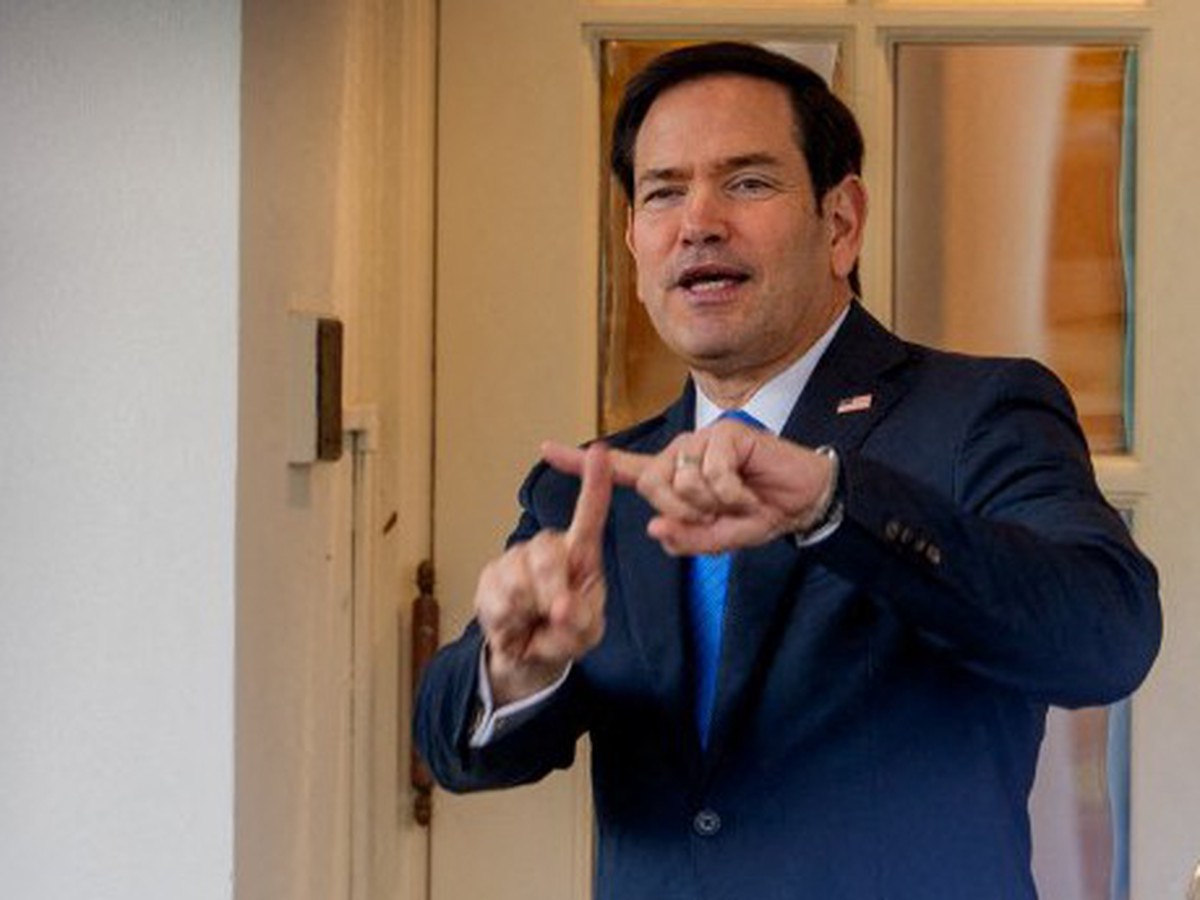
The 2011 intervention in Libya remains one of the most controversial foreign-policy decisions of the Obama administration. More than a decade after Muammar Gaddafi was removed from power, the country continues to carry the consequences of political fragmentation, armed conflict, and institutional collapse. In the confrontation described in this account, Secretary of State Marco Rubio directs that history back toward Hillary Clinton, challenging her over the decisions made before and after the intervention.
Rather than focusing exclusively on the military operation, Rubio reportedly centers his argument on a warning from the State Department dated March 14, 2011. His central question is whether American officials adequately considered what would happen if Gaddafi fell without a credible successor government capable of holding Libya together.
The Decision to Remove Gaddafi
In 2011, Libya became one of the central battlegrounds of the Arab Spring. Protests against Gaddafi’s government escalated into an armed uprising, and government forces threatened opposition-held areas. The United States joined an international military operation authorized by United Nations Security Council Resolution 1973, which permitted measures to protect civilians.
Hillary Clinton, serving as Secretary of State, supported American participation in the intervention. The campaign contributed to the collapse of Gaddafi’s government and his eventual death in October 2011.
But removing a government and establishing a stable political order are two very different tasks. Libya’s subsequent experience exposed the difficulty of the second. Competing armed factions, rival political authorities, and weak national institutions made it increasingly difficult to establish lasting security.
Rubio’s reported challenge focuses on this distinction. The question was not simply whether Gaddafi’s government should have remained in power. It was whether American policymakers had adequately prepared for the political vacuum that could follow its removal.
The Warning Memo and the Meaning of “Move Forward”
The most important element of the alleged confrontation is the March 14, 2011 State Department warning memo. According to the account, the document raised concerns that Libya could become fragmented and unstable if Gaddafi were removed without a strong successor government.
Rubio reportedly used the document to challenge Clinton over the relationship between internal warnings and the administration’s ultimate policy decisions. The account also describes a handwritten “Move forward” notation attributed to Clinton.
If authenticated and presented in its full context, the document could offer an important window into the administration’s decision-making process. It would help establish which risks officials identified, how those risks were communicated, and what alternatives were considered.
However, a handwritten instruction cannot be interpreted responsibly without examining the complete document, its surrounding correspondence, and the specific action being authorized. The phrase alone does not establish that Clinton knowingly dismissed every warning about Libya’s future.
That distinction does not diminish the importance of the underlying question. When senior officials receive warnings about the consequences of a major military intervention, the public has a legitimate interest in understanding how those warnings influence policy.
“We Came, We Saw, He Died” and the Question of Judgment
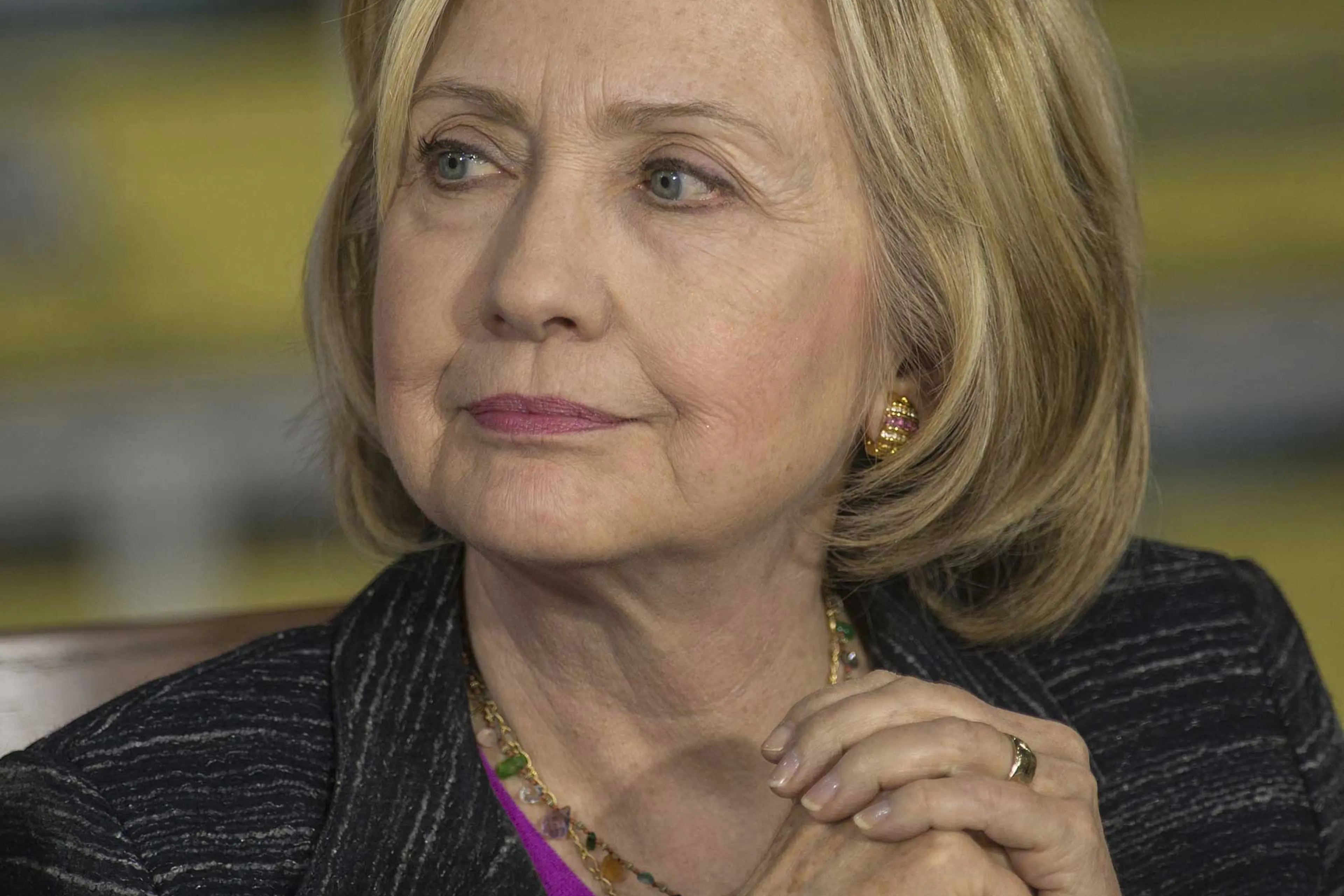
Another moment Rubio reportedly revisited was Clinton’s famous reaction to Gaddafi’s death. In a 2011 television interview, she responded to the news with the now widely remembered phrase, “We came, we saw, he died,” accompanied by laughter.
At the time, the remark reflected the dramatic collapse of a longtime adversary of the United States. In retrospect, it became a symbol of the debate over whether Washington had focused too heavily on the removal of Gaddafi and too little on what would come afterward.
The political significance of the remark has changed as Libya’s difficulties have continued. For critics, it represents the gap between celebrating the end of a regime and accepting responsibility for the consequences of the intervention.
For defenders of the operation, the original military objective was protecting civilians from an immediate threat, and Libya’s subsequent collapse involved domestic divisions and decisions by numerous international and local actors.
The distinction is important. The intervention did not single-handedly create every problem Libya experienced, but the consequences of the operation remain central to evaluating the decisions made by American leaders.
Benghazi and the Human Cost of Instability
The deterioration of Libya’s security environment became especially consequential in September 2012, when militants attacked American facilities in Benghazi. Ambassador Chris Stevens and three other Americans were killed.
The attack intensified scrutiny of the security situation, the American diplomatic presence, and the government’s response. It also became a major political controversy in Washington, with repeated congressional investigations and disputes over the decisions made before and after the attack.
Beyond Benghazi, Libya’s instability contributed to a wider humanitarian crisis. Armed conflict, trafficking networks, and the breakdown of state authority created dangerous conditions for migrants traveling through the country in hopes of reaching Europe.
The reported slave markets became one of the most disturbing examples of that collapse. In 2017, CNN published an investigation showing migrants being sold at apparent slave auctions near Tripoli. Some reports described individuals being offered for amounts around $400.
These were not merely economic statistics. They represented human beings exposed to exploitation, violence, forced labor, and severe abuse. The reports prompted international condemnation and renewed demands for action against trafficking networks.
The broader connection to the 2011 intervention is a question of consequences: how much responsibility should policymakers bear when decisions contribute to an environment in which criminal networks gain power and vulnerable people lose protection?
The Responsibility That Remains After Military Action
Rubio’s reported closing accusation, “You broke Libya, Mrs. Clinton,” captures the central criticism of the intervention. It argues that American leaders cannot evaluate a foreign-policy decision solely by whether its immediate military objective was achieved.
The more difficult assessment concerns what followed: whether institutions survived, whether civilians became safer, whether political reconciliation was possible, and whether the United States had a realistic strategy for the period after Gaddafi.
Responsibility for Libya’s collapse cannot be assigned to one individual alone. Domestic factions, regional powers, armed groups, and international decisions all shaped the country’s trajectory. Nevertheless, American officials who supported the intervention remain subject to scrutiny over the assumptions, warnings, and planning behind that decision.
The reported warning memo brings the debate back to a fundamental principle of government: identifying a danger is only the first step. Leaders must also explain what they did about it.
Libya’s experience demonstrates how the consequences of foreign policy can extend far beyond the moment a military operation ends. The fall of a regime may take months. Rebuilding institutions and restoring public security can take generations.
And that is ultimately the question behind Rubio’s reported confrontation with Clinton: when the warnings are documented and the human consequences become visible, who is responsible for explaining the decisions that brought the country to that point?
