
A disagreement over how Democrats should use their newly won congressional majorities has exposed competing priorities inside the party following the November 2026 midterm elections.
Senator Bernie Sanders is warning that congressional investigations into President Donald Trump cannot become a substitute for addressing the economic struggles of working-class Americans.
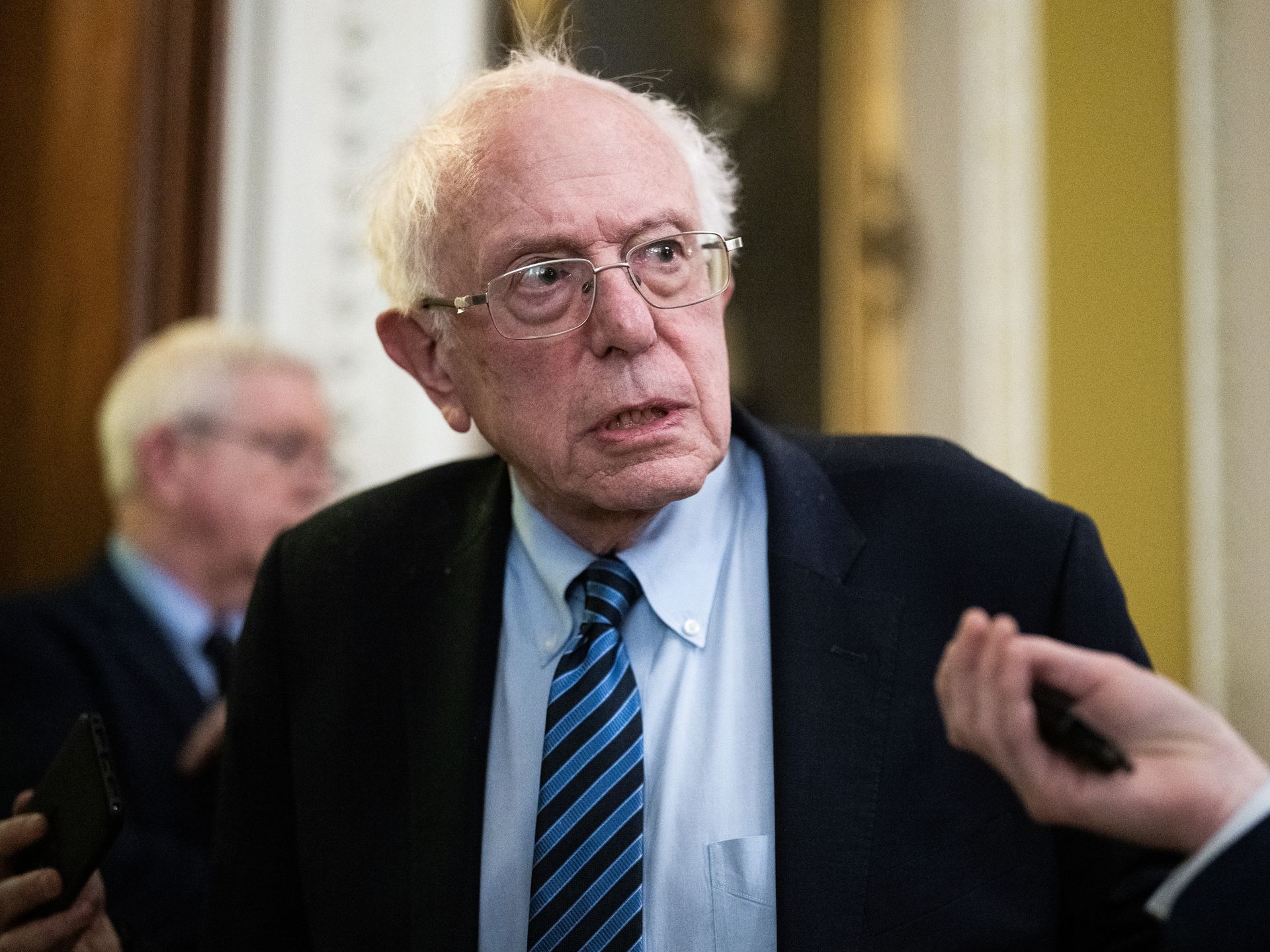
Representative Jamie Raskin, meanwhile, argues that investigating the administration and reducing household expenses are not competing responsibilities.
Both lawmakers agree that Congress should scrutinize potential misconduct by federal officials.
Their disagreement concerns how Democrats should organize their priorities when they assume control of Congress in January 2027.
Sanders believes voters delivered a mandate for meaningful economic change, not simply another two years of political confrontation.
Raskin insists that oversight can help expose government decisions contributing to rising prices, weakened public services, and financial insecurity.
The disagreement became especially visible during separate television interviews on November 8 and November 9.
Sanders spoke on NBC’s Meet the Press, where he warned against allowing investigations to dominate the Democratic agenda.
The following day, Raskin appeared on CNN and challenged the suggestion that Democrats would be forced to choose between accountability and affordability.
The Maryland congressman described concerns about excessive investigations as a media-driven narrative.
He argued that the incoming majority would have enough congressional committees and lawmakers to pursue multiple priorities simultaneously.
The central dispute is not whether Trump should face congressional scrutiny. It is whether Democrats can investigate the administration while delivering the economic changes voters expect.
That question has become increasingly important after Democrats secured control of both chambers in the November 3 elections.
Sanders Delivers a Warning After the Midterm Elections
On November 8, Bernie Sanders appeared on NBC’s Meet the Press to discuss the Democratic Party’s political future.
Host Kristen Welker asked whether spending the next two years investigating Trump could undermine the party’s commitment to reducing household expenses.
Sanders acknowledged that risk.
He argued that Democrats should investigate alleged corruption and unconstitutional conduct while maintaining a broader legislative agenda.
The senator emphasized that voters were demanding improvements in their everyday lives.
His concerns included healthcare expenses, poverty among children and seniors, and the growing economic influence of artificial intelligence.
Sanders warned that congressional Democrats could lose public confidence if they concentrated exclusively on political investigations.
His position did not amount to opposition to oversight.
Instead, he advocated maintaining a balance between investigating executive actions and advancing substantive economic policies.
Sanders has long criticized the concentration of wealth and political power in the United States.
He argues that major political institutions have repeatedly failed to address the needs of working families.
His post-election remarks reflected that longstanding position.

For Sanders, the Democratic victory created an obligation to demonstrate that government could improve material living conditions.
He wanted lawmakers to pursue policies affecting wages, healthcare, retirement security, and economic opportunity.
The senator also suggested that voters would not accept congressional inactivity simply because Democrats were conducting investigations.
That warning created a contrast with lawmakers preparing extensive oversight of the Trump administration.
Jamie Raskin Rejects the Idea of Investigative Overload
On November 9, Jamie Raskin appeared on CNN’s News Central to discuss Democratic priorities.
Anchor Brianna Keilar raised concerns expressed by newly elected Democratic Senator Adam Hamilton of Kansas.
Hamilton had said he did not want to spend his first two years in Congress focused primarily on proceedings against Trump.
Keilar asked whether other incoming Democrats might share that concern.
Raskin interrupted as she was presenting the question.
He suggested that the idea of excessive investigations was a narrative being promoted by the media.
Keilar responded that she was quoting an incoming Democratic senator rather than inventing the concern.
Raskin then explained why he believed Democrats could pursue investigations and economic legislation simultaneously.
He pointed to the number of congressional committees and the incoming class of Democratic lawmakers.
His argument was that Congress possesses sufficient institutional capacity to handle different responsibilities at once.
Raskin also emphasized restoring healthcare protections and food assistance.
He discussed Medicaid, Affordable Care Act coverage, and Supplemental Nutrition Assistance Program benefits.
The congressman argued that Democrats could address these priorities while conducting oversight of the administration.
He also criticized tariffs and the economic consequences of the conflict involving Iran.
His response reflected a broader belief that congressional investigations could help identify decisions contributing to household financial pressures.
Rather than treating oversight as a distraction, Raskin presented it as part of an economic accountability agenda.
That approach differs from Sanders’ emphasis on the risk of political investigations consuming too much time.
However, it does not mean the two lawmakers disagree about the need for either accountability or economic reform.
The Moment Raskin Connected Corruption to Rising Prices
The most important part of Raskin’s television interview concerned his argument that corruption and affordability are closely related.
He did not reveal a secret financial document connecting a specific scandal to gasoline prices.
Instead, he argued that government decisions, conflicts of interest, and economic policy can affect what Americans pay.
Raskin pointed to tariffs, healthcare programs, and the ongoing conflict involving Iran.
He suggested that congressional oversight could help expose decisions contributing to higher costs.
His argument centered on the relationship between government accountability and economic outcomes.
If officials make decisions benefiting private interests at public expense, those choices may create costs for taxpayers or consumers.
Similarly, conflicts of interest can raise questions about whether government policy is being developed for legitimate public purposes.
But establishing such a connection requires evidence.
A particular investigation must identify relevant decisions, financial relationships, and measurable consequences.
Raskin’s comments did not prove that all price increases resulted from corruption.
They represented his broader political interpretation of the administration’s policies.
His central point was that Democrats should not separate questions about government conduct from questions about household affordability.
He argued that investigating policy decisions could help explain why some costs had risen.
In his view, effective oversight could therefore support the party’s economic agenda.
This was the clearest difference between his emphasis and Sanders’ warning.
Sanders worried about the opportunity cost of extensive investigations.
Raskin argued that investigations could become a tool for addressing economic problems.
Sanders Focuses on Child Poverty and Senior Poverty
Sanders placed particular emphasis on the economic circumstances of vulnerable Americans.
During his television interview, he highlighted the persistence of childhood poverty.
He also discussed financial hardship among older Americans living on limited retirement incomes.
The senator argued that these conditions required urgent congressional attention.
His concerns reflected a broader debate over the adequacy of federal social programs.
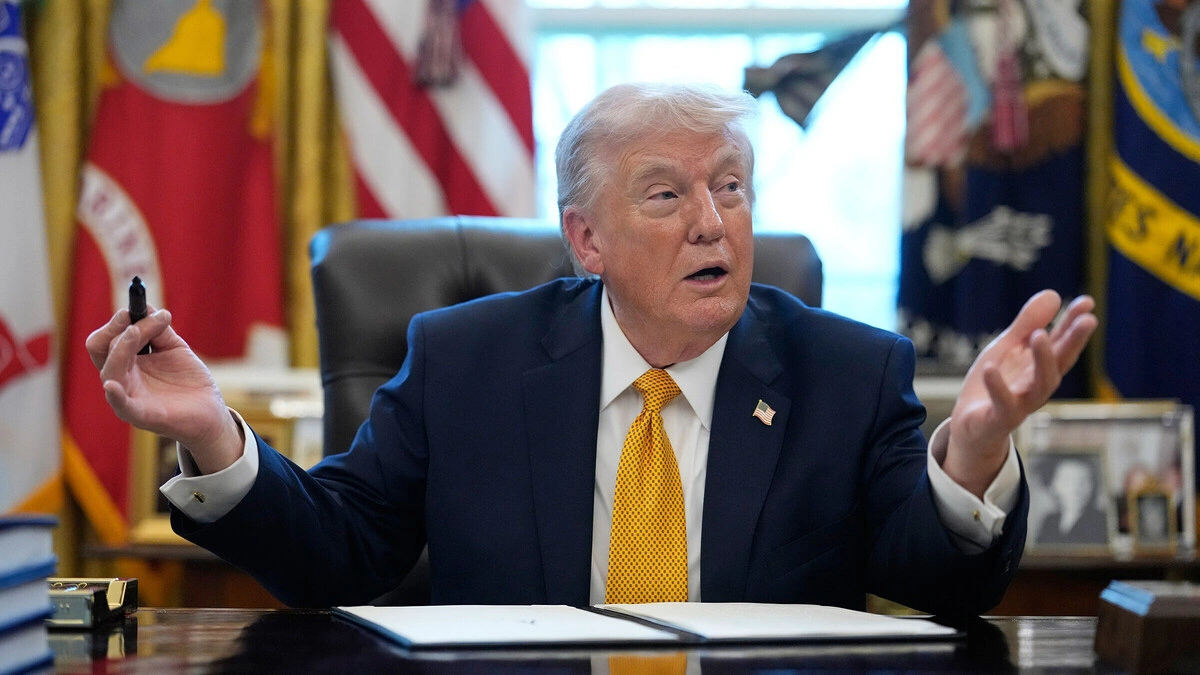
Social Security provides retirement and disability benefits to millions of Americans.
However, benefit amounts vary considerably depending on earnings histories, retirement age, and other factors.
Some retirees depend heavily on Social Security because they have limited savings or employer-sponsored pensions.
Rising housing, food, and healthcare costs can create particular difficulties for these households.
Child poverty presents a different but related challenge.
Families with insufficient income may struggle to afford housing, nutritious food, childcare, transportation, and medical services.
These pressures can affect children’s educational opportunities and long-term economic prospects.
Sanders has repeatedly advocated expanding public programs designed to reduce poverty.
He supports stronger Social Security benefits, broader healthcare coverage, and higher taxes on wealthy Americans.
His criticism of Democratic priorities was grounded in those policy commitments.
He wanted congressional leaders to demonstrate that their election victory would produce tangible improvements.
For Sanders, reducing poverty requires legislation and budget decisions.
Investigations alone cannot directly increase retirement benefits or establish new healthcare programs.
That concern explains why he resisted allowing oversight to become the defining activity of the next Congress.
Artificial Intelligence Becomes Another Major Concern
Sanders also warned about the rapid expansion of artificial intelligence.
He raised concerns about the influence of powerful technology companies and billionaire investors.
The senator argued that AI could create substantial disruptions in employment, privacy, and economic security.
These concerns have become increasingly relevant as businesses adopt automated systems across different industries.
Artificial intelligence can improve productivity and support new scientific developments.
It can also automate tasks previously performed by human workers.
The consequences depend on the technology involved and how businesses implement it.
Some occupations may experience significant changes in job responsibilities.
Others may benefit from tools that increase efficiency without eliminating employment.
Sanders has emphasized the need for government oversight of these developments.
He is particularly concerned about the distribution of economic benefits.
If AI increases productivity, policymakers must consider whether workers share in the gains.
Questions also arise concerning personal data and privacy rights.
AI systems can process enormous quantities of information, creating new challenges involving surveillance and commercial data collection.
Sanders believes these issues require immediate legislative attention.
He has argued that powerful technology companies should not determine the future of employment and privacy without meaningful democratic oversight.
His warning therefore extended beyond traditional concerns about inflation and poverty.
It reflected his belief that Congress must prepare for structural economic changes already underway.
For Sanders, spending excessive time investigating Trump could leave these emerging challenges insufficiently addressed.
Raskin Says Congress Can Handle Multiple Priorities
Raskin’s response was based partly on the structure of Congress itself.
The House and Senate operate through committees responsible for different areas of federal policy.
Judiciary committees examine legal questions, constitutional issues, and the conduct of the Justice Department.
Oversight committees investigate government operations and the use of public resources.
Other committees focus on healthcare, taxation, education, labor, and federal spending.
Raskin argued that these separate responsibilities allow Congress to pursue several objectives simultaneously.
A committee investigating potential misconduct does not necessarily prevent another committee from developing healthcare legislation.
Similarly, congressional oversight can continue while lawmakers negotiate economic reforms.
However, the practical situation is more complicated than dividing responsibilities among committees.
Major legislation requires agreement among party leaders and sufficient votes.
Investigations can also require extensive time, staffing, hearings, and legal resources.
Congressional leaders must decide which measures receive priority on the legislative calendar.
They must also determine how to allocate political attention.
That creates potential competition even when committees possess separate responsibilities.
Sanders’ concern centers on this practical limitation.
Raskin emphasizes institutional capacity.
Both arguments identify genuine considerations.
A congressional majority can investigate and legislate simultaneously.
But doing both effectively requires organization, cooperation, and sustained political attention.
Healthcare Reform Remains a Central Democratic Priority
Healthcare affordability was another major theme connecting the two lawmakers’ statements.
Sanders has consistently advocated establishing Medicare for All.
His proposal would move the United States toward a single-payer healthcare system.
He argues that healthcare should be guaranteed as a right rather than determined primarily by employment or household income.
The proposal would represent a substantial change to American healthcare financing.
It would require decisions concerning federal spending, taxation, provider payments, and the role of private insurance.
Supporters argue that universal coverage could reduce financial barriers to medical treatment.
Critics raise questions about implementation costs, taxation, and the effect on existing insurance arrangements.
Those disagreements would become central to any congressional debate.
Raskin’s comments focused more immediately on restoring existing healthcare protections.
He emphasized Medicaid and Affordable Care Act coverage.
His concern was that administration policies had reduced access to health insurance for some Americans.
Democrats have argued that restoring benefits should be a major priority of the incoming Congress.
Republicans have defended various efforts to restructure federal spending and healthcare programs.
The disagreement involves how to finance coverage while maintaining access and controlling costs.
Sanders and Raskin share concerns about affordability but emphasize different policy approaches.
Sanders advocates a larger structural transformation.
Raskin highlighted restoring coverage and reversing specific administration policies.
Their differences illustrate the range of positions within the Democratic coalition.
The Iran Conflict Adds Pressure to Household Budgets
Raskin also connected economic affordability to the ongoing conflict involving Iran.
He argued that higher gasoline and diesel prices were linked to disruptions affecting global energy supplies.
The conflict has complicated shipping through strategically important routes in the Middle East.
The Strait of Hormuz is particularly significant because substantial quantities of oil pass through the region.
Threats to shipping can raise transportation and insurance costs.
Supply disruptions may also contribute to higher international oil prices.
American consumers can feel those changes at gasoline stations.
Diesel prices are especially important for freight transportation, agriculture, and industrial production.
Higher diesel costs may eventually affect the prices of goods transported across the country.
Raskin argued that decisions concerning American involvement in the conflict deserved congressional scrutiny.
He also suggested that changing the administration’s approach could help reduce energy costs.
However, gasoline prices depend on several factors.
Global supply, refinery operations, domestic demand, inventories, and market expectations all influence prices.
Ending a conflict does not guarantee an immediate or precisely measurable reduction.
Nevertheless, geopolitical disruptions can have substantial economic consequences.
Raskin’s argument was that foreign policy decisions should be evaluated partly through their effects on American households.
He also raised questions concerning potential conflicts of interest involving individuals connected to the administration.
Those concerns would require independent investigation and evidence before conclusions about misconduct could be established.
His broader claim remained that accountability and affordability could overlap.
Newly Elected Democrats Raise Concerns About Priorities
The disagreement did not originate solely with Sanders and Raskin.
Newly elected Senator Adam Hamilton expressed concern about spending the next congressional term focused on investigations.
His comments reflected the views of Democrats emphasizing legislative results over prolonged political confrontation.
Several incoming lawmakers campaigned on affordability, healthcare access, and economic stability.
Their election placed pressure on party leaders to deliver measurable improvements.
Some Democrats believe aggressive investigations are necessary to address potential abuses of power.
Others worry that constant confrontation could overshadow legislation.
The difference is partly strategic.
Congressional investigations can reveal information about executive actions and government spending.
They can also generate political conflict that consumes public attention.
Legislation can address economic conditions directly.
But major bills often require difficult negotiations and may face presidential opposition.
The incoming Democratic majority will therefore confront several competing demands.
It must determine how to conduct oversight while advancing its policy agenda.
The debate is not simply about whether investigations are justified.
It concerns how Democrats should use limited congressional time and political capital.
Investigating Trump Could Prove More Difficult Than Democrats Expect
Congress possesses substantial oversight authority, but that authority has practical limits.
Committees can request documents, hold hearings, and issue subpoenas under appropriate procedures.
However, executive officials may challenge requests on legal or constitutional grounds.
Disputes over executive privilege can lead to lengthy litigation.
Witnesses may also refuse to cooperate voluntarily.
Enforcing congressional subpoenas can become complicated when the executive branch contests the investigation.
These challenges may consume substantial time and resources.
They can also delay the release of information until long after an investigation begins.
Democrats preparing for majority control must consider those limitations.
Investigating alleged misconduct requires more than announcing an inquiry.
Committees need evidence, witnesses, legal strategies, and clear investigative objectives.
The same challenges apply when lawmakers examine corporate influence or potential conflicts of interest.
An allegation does not become a proven violation merely because Congress opens an investigation.
Findings must be supported by reliable documents and testimony.
That is especially important when investigations involve politically sensitive accusations.
Raskin has emphasized the importance of accountability.
Sanders has emphasized the need to prevent investigations from overwhelming the legislative agenda.
The practical challenge involves achieving both goals without allowing either to become ineffective.
The November Elections Give Democrats New Responsibilities
The November 3 midterm elections produced major gains for Democrats.
The party secured control of both the House and Senate, reshaping the balance of power in Washington.
The results created new opportunities for congressional oversight and legislation.
But they also introduced competing expectations.
Some voters supported Democrats because they opposed Trump’s conduct and policies.
Others prioritized healthcare, economic security, and the cost of living.
The party must consider those motivations without assuming that every voter supported an identical agenda.
A congressional majority provides authority to organize committees and advance legislation.
It does not guarantee that every proposal will become law.
President Trump remains in the White House.
Legislation passed by Congress may still face a presidential veto.
Overriding a veto requires substantial support in both chambers.
That reality could complicate efforts to implement ambitious economic reforms.
Democrats may be able to conduct oversight even when major legislation faces executive opposition.
But investigations also depend on cooperation, legal authority, and enforcement mechanisms.
This institutional situation helps explain why Sanders and Raskin emphasize different priorities.
Sanders wants the party to pursue economic legislation aggressively despite potential obstacles.
Raskin believes congressional investigations can expose problems while the party develops policy responses.
Their disagreement concerns the best allocation of political effort under divided government.
A New Debate Emerges Inside the Democratic Party
The discussion expanded during a gathering of Democrats in Denver following the midterm elections.
Party figures debated how the incoming majority should approach economic reform and opposition to Trump.
Progressives advocated ambitious policies involving healthcare, taxation, wages, and federal spending.
More moderate Democrats emphasized practical results and the importance of responding to household affordability concerns.
There were also differences over the scale and intensity of future investigations.
Raskin and other lawmakers supported assertive congressional oversight.
Some newly elected Democrats urged restraint and greater emphasis on legislative achievements.
These disagreements do not necessarily represent a permanent division within the party.
Political coalitions routinely contain competing priorities.
The challenge is developing a governing agenda that accommodates those differences.
Sanders has argued that the Democratic Party must demonstrate clear support for working-class Americans.
Raskin maintains that exposing potential abuses of power is part of fulfilling that responsibility.
Both positions reflect an attempt to interpret the same election result.
Neither can independently establish what every Democratic voter expected.
The party’s performance in the next Congress will depend on its actual decisions and legislative outcomes.
Sanders and Raskin Agree on More Than the Headlines Suggest
The most dramatic interpretation of this controversy presents Sanders and Raskin as political opponents engaged in a major internal confrontation.
The documented record supports a narrower conclusion.
Both lawmakers support congressional oversight of the Trump administration.
Both express concern about affordability and economic security.
Both believe Democrats should use their new majority to address problems affecting ordinary Americans.
Their disagreement concerns emphasis and strategy.
Sanders worries that an investigation-heavy agenda could distract from healthcare reform, poverty reduction, and emerging technological challenges.
Raskin argues that investigating government conduct can help explain and address economic problems.
Sanders approaches the issue primarily through the consequences of congressional priorities.
Raskin emphasizes the potential relationship between oversight and policy reform.
These perspectives are not inherently incompatible.
Congress can investigate government conduct while considering legislation.
But its ability to produce results depends on political coordination and institutional capacity.
The debate therefore raises a genuine question about governing effectively.
Can a congressional majority pursue accountability without allowing investigations to define its entire public agenda?
And can it advance economic legislation while maintaining meaningful oversight of executive power?
Those are the issues behind the contrasting television interviews.
What Comes Next for the Democratic Majority?
The incoming Congress will face major decisions concerning healthcare, government spending, federal oversight, and economic policy.
Sanders has made clear that he wants Democrats to pursue substantial reforms rather than limit their ambitions to investigations.
He has called for expanding healthcare protections and strengthening programs serving working families.
His concerns about poverty and artificial intelligence also suggest a broad legislative agenda.
Raskin is preparing for an expanded oversight role.
He has emphasized examining government conduct while supporting efforts to reverse policies he believes have increased household costs.
Their priorities will intersect in several areas.
Investigations into federal spending may identify potential waste or conflicts of interest.
Healthcare legislation may address problems identified through oversight.
Economic policy debates may require examining how tariffs, energy decisions, and federal programs affect prices.
But success will require translating those arguments into specific congressional actions.
Committees must conduct credible investigations.
Lawmakers must develop legislation capable of securing sufficient support.
Party leaders must also manage competing demands on the congressional calendar.
These practical challenges cannot be resolved through television interviews alone.
They will become more important after the new Congress convenes in January 2027.
The Real Conflict Is Over How Democrats Should Govern
The controversy involving Sanders and Raskin reflects two approaches to the responsibilities of political power.
Sanders believes Democrats must demonstrate that winning elections produces improvements in people’s daily lives.
He warns that endless investigations could leave the party vulnerable to criticism for neglecting economic concerns.
Raskin argues that government accountability and household affordability are interconnected.
He believes Congress can investigate potential misconduct while pursuing healthcare protections, lower costs, and other legislative priorities.
Their public statements are documented.
There is no need to invent a private confrontation or a dramatic exchange to understand the difference.
Sanders’ November 8 interview established his concern about investigative overload.
Raskin’s November 9 appearance demonstrated his rejection of the idea that Congress must choose between investigations and legislation.
The contrasting positions highlight a broader challenge for the Democratic Party.
Voters may expect accountability for government conduct while also demanding lower costs and stronger economic protections.
Meeting both expectations requires more than political criticism.
It requires effective oversight, legislative planning, and measurable policy results.
Sanders warns that investigating Trump cannot become the Democratic Party’s entire mission. Raskin insists that confronting alleged corruption is itself part of addressing Americans’ economic problems.
The coming Congress will provide the practical test of those positions as Democrats attempt to balance accountability with the promises that helped return them to power.
