
Elizabe.t.h Warren Calls Kenne.d.y a Disgrace on Live TV — His Response Leaves Her Speechless
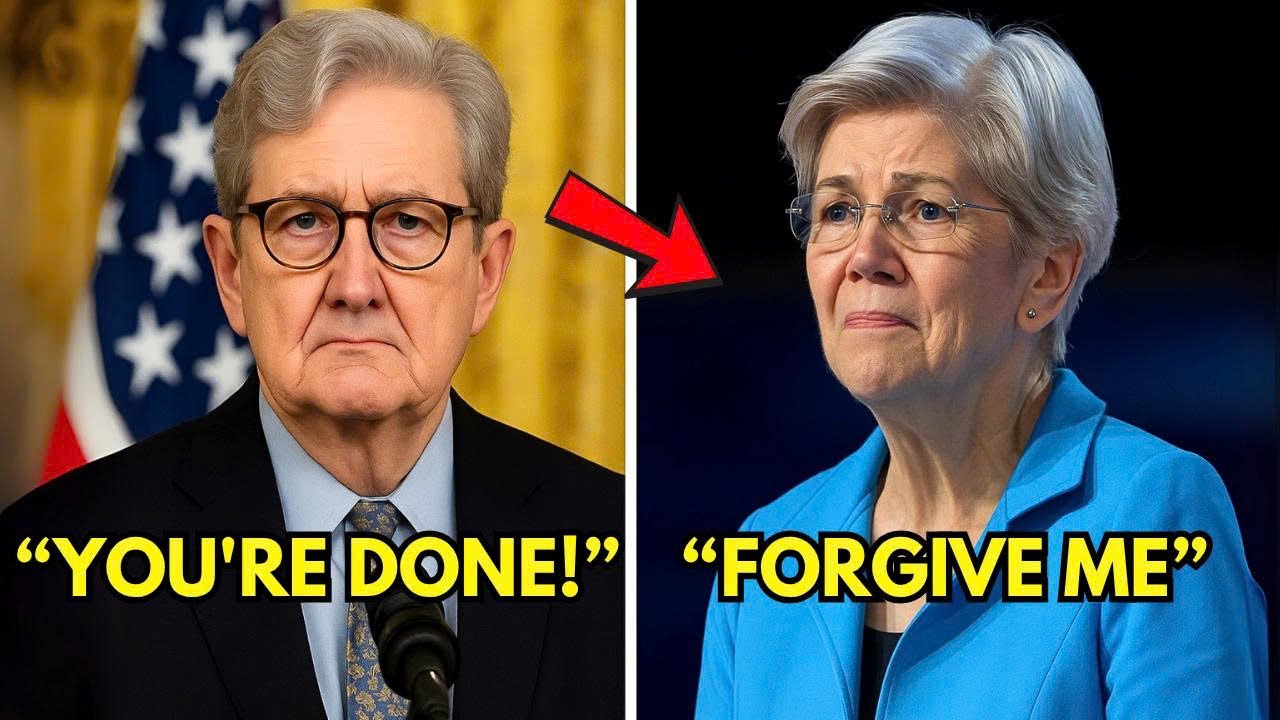
The confrontation began with a sharp accusation on morning television. In the fictional political drama portrayed in the video, Senator Elizabe.t.h Warren called Senator John Kenne.d.y a “national disgrace,” attacking his proposed border security bill as personal, harmful, and unworthy of the country. Her criticism quickly turned the segment into a heated political dispute.
Kenne.d.y was watching from his office. Rather than respond through a prepared statement or a social media post, he called the program directly and joined the discussion live. But he did not try to outshout Warren. He began placing documents on the table, one after another, shifting the conversation away from personal attacks and toward questions about financial records, charitable organizations, and connections he argued had not received sufficient public scrutiny.
The hosts initially tried to keep the exchange moving, but Kenne.d.y had another document to introduce — a letter from a mother named Carla. And that letter would become the emotional center of the confrontation.
The Documents Behind Kenne.d.y’s Response
Kenne.d.y’s first move was to challenge Warren’s criticism of the border security legislation. He argued that the debate should not be reduced to whether the bill was politically acceptable or whether its supporters had the right motives. The more important question, in his framing, was what specific problems the legislation was designed to address.
He then turned to the financial documents described in the video. These included records concerning charitable organizations and alleged connections that Kenne.d.y claimed Warren had not adequately addressed in public. The fictional exchange presents the material as a series of unanswered questions about transparency and accountability.
The distinction is important: financial records, charitable structures, and personal or political connections can raise legitimate questions, but they do not automatically establish misconduct. In the scenario, Kenne.d.y uses the documents to demand explanations rather than allowing Warren’s initial criticism to define the entire discussion.
As the papers accumulate, the tone of the interview changes. The conversation is no longer simply about whether Kenne.d.y’s bill is appropriate. It becomes a debate over the evidence each senator is prepared to discuss and the questions each is willing to answer.
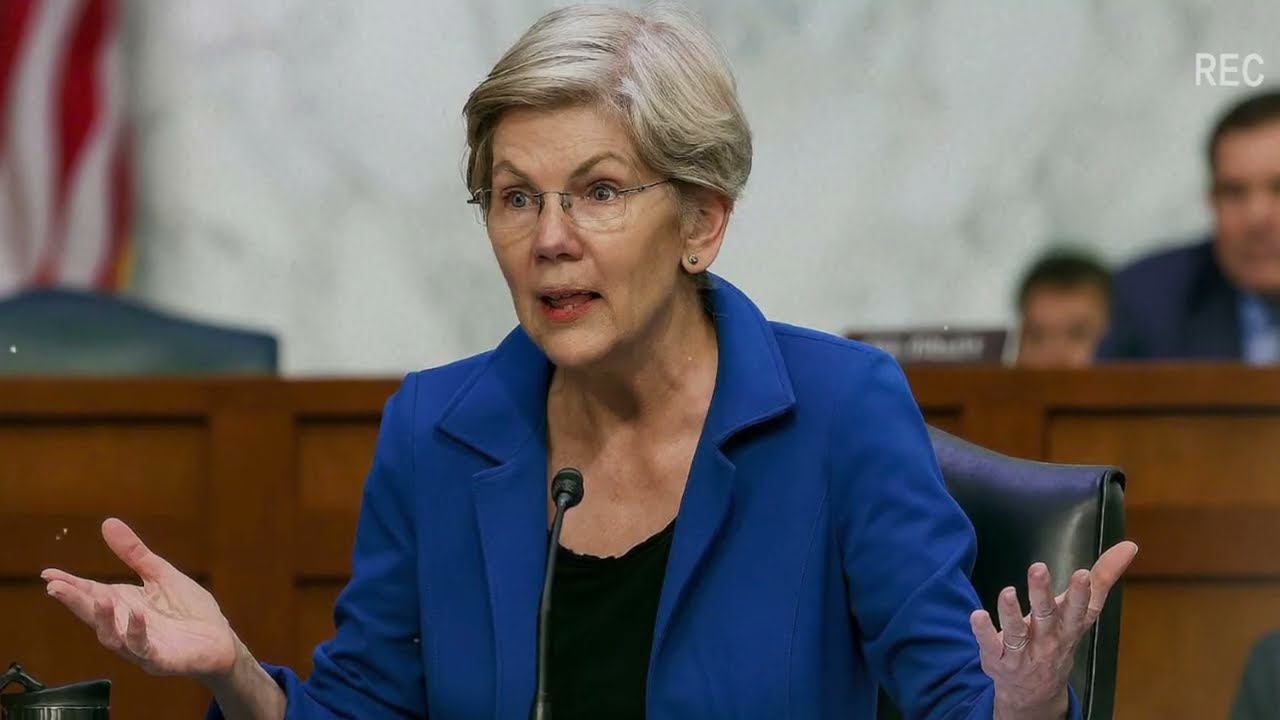
Carla’s Letter Changes the Tone
Then Kenne.d.y introduces Carla.
According to the video’s fictional narrative, she was a mother who lost her child because of security failures that the proposed border legislation was intended to address. Kenne.d.y reads her letter aloud, bringing an individual family’s experience into a debate that had largely been dominated by political accusations.
The letter changes the emotional direction of the segment. Instead of arguing only about legislation and political motives, Kenne.d.y asks the audience to consider the people who may be affected when government systems fail.
His argument is that border security should not be treated as an abstract political slogan. Behind every discussion of enforcement, screening, and government responsibility are families who may face consequences when those systems do not work as intended.
Carla’s story gives that argument a human dimension. It also puts a difficult question before Warren: how should lawmakers respond to families who believe existing protections were not enough, and what practical alternatives can they offer?
The scenario portrays Warren’s answers becoming shorter as the discussion continues. The hosts, who had initially been active participants, gradually stop interrupting as Kenne.d.y finishes reading and returns to the documents.
When the Interview Becomes a Political Crisis
The fictional story does not end when the live segment concludes. It describes growing public pressure, federal investigations into the alleged connections and financial matters, and eventually Warren announcing her resignation from the Senate.
That ending is presented as part of the video’s imagined political drama, not as a real-world event. The narrative uses the resignation to dramatize the consequences of a televised confrontation, but it should not be mistaken for a verified account of Warren leaving office or facing the specific investigations described.
The broader issues at the center of the scenario remain recognizable political questions: how charitable organizations should be scrutinized, what financial disclosures can reveal, how border security policies should be evaluated, and what responsibility lawmakers have when families say government protections failed them.
Those questions require evidence and clear explanations, not simply dramatic exchanges on television.
The Final Minute and the Question Left Behind
The most important moment in the imagined interview comes when Kenne.d.y returns to the purpose of the bill and the letter he has just read. His closing argument connects the policy debate to the responsibility of elected officials to explain what their proposals would accomplish — and what happens when existing systems fall short.
The silence described in the video serves as the dramatic ending. But the lasting question is bigger than whether one senator managed to interrupt another’s television appearance.
When lawmakers debate border security, should the discussion be judged primarily by political labels and accusations about motives, or by the evidence behind proposed policies, the safeguards they establish, and the real consequences for families?
