
AOC’s Healthcare Challenge to Kennedy: The Congressional Exchange Behind the Viral Political Claims
A tense healthcare debate involving Alexandria Ocasio-Cortez and Robert F. Kennedy Jr. has attracted widespread attention, with images and clips from their congressional encounters circulating across social media. But while the confrontation raised serious questions about healthcare spending, insurance companies and government accountability, some viral versions have added dramatic details that are not supported by the available record.
The real dispute centered on Medicare Advantage, a government-supported health insurance program administered through private insurance companies. At issue was whether the federal government should increase payments to insurers despite longstanding concerns about alleged overpayments, questionable billing practices and patients experiencing difficulties accessing care.

During a House hearing in April 2026, Ocasio-Cortez questioned Health and Human Services Secretary Robert F. Kennedy Jr. about the administration’s decision to increase payments to Medicare Advantage insurers. Her central argument was straightforward: if major insurance companies were already facing scrutiny over alleged fraud and excessive payments, why was the government preparing to direct billions of additional taxpayer dollars toward the industry?
The congresswoman focused particularly on the financial relationship between the federal government and private insurers. She argued that certain companies were benefiting from practices that increased government reimbursements without necessarily improving the quality of care received by patients.
One issue she highlighted was known as upcoding. This occurs when medical conditions are recorded or classified in ways that result in higher payments to healthcare providers or insurers. Critics of the practice argue that it can inflate government spending and place additional pressure on public healthcare budgets.
Ocasio-Cortez also raised concerns about insurance companies reducing reimbursement rates and denying coverage while continuing to receive substantial public funding. Her questions were directed at the administration’s responsibility to ensure that taxpayer money was being used appropriately.
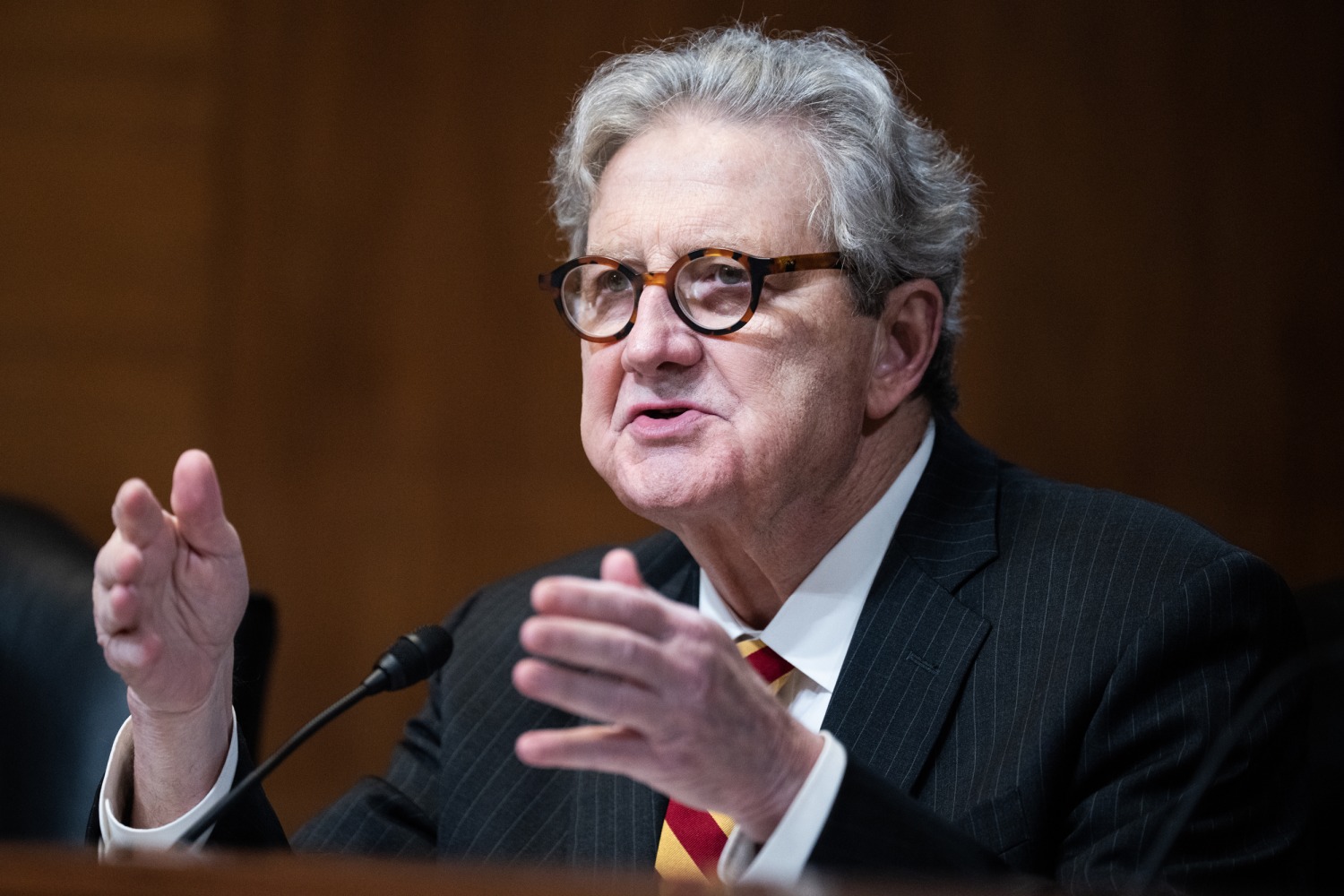
Kennedy, meanwhile, faced the challenge of defending the administration’s healthcare decisions while acknowledging the broader concerns surrounding private insurance companies. The exchange highlighted a difficult policy dilemma: Medicare Advantage provides coverage to millions of Americans, but its growing financial cost and the conduct of some participating insurers remain subjects of political and regulatory scrutiny.
The dispute became particularly interesting because Kennedy had previously expressed criticism of abusive practices within the healthcare industry. Ocasio-Cortez used that position to question why the administration was increasing payments to companies she accused of exploiting weaknesses in the system.
The issue was not simply whether Medicare Advantage should continue to exist. It was whether the government could adequately protect patients and taxpayers while maintaining a program that has become an important part of healthcare coverage for older Americans.
The financial figures added another layer to the confrontation. Ocasio-Cortez pointed to an expected increase of approximately $13 billion in Medicare Advantage spending for fiscal year 2027 compared with the previous fiscal year. She questioned why the administration was directing additional resources toward insurers while concerns about alleged fraud and improper billing remained unresolved.
The discussion also brought attention to the experiences of ordinary patients. For families dealing with medical expenses, insurance denials and complicated coverage rules, debates about reimbursement rates can seem distant from everyday life. Yet decisions made in Washington can determine which treatments are covered, how much patients pay and whether healthcare providers receive adequate compensation.
This is where the political disagreement becomes especially consequential. Supporters of Medicare Advantage often emphasize the additional benefits and choices available to enrollees. Critics argue that the program can cost taxpayers more than traditional Medicare while creating incentives for insurers to maximize reimbursement.
Neither side can resolve that debate through political rhetoric alone. Reliable financial data, transparent oversight and evidence about patient outcomes are necessary to determine whether the program is delivering value.
The viral narrative surrounding the exchange has also introduced confusion about who was actually involved. The documented congressional confrontation featured Ocasio-Cortez and Robert F. Kennedy Jr., not Senator John Kennedy of Louisiana. The widely circulated claim that AOC mocked Senator Kennedy as a Louisiana farmer, followed by a three-second ultimatum and the unveiling of a confidential 2018 report, could not be independently verified.
That distinction is important because the real healthcare debate was already substantial without adding an unsupported dramatic confrontation. The documented exchange raised questions about billions in public spending, the accountability of private insurers and the responsibility of federal officials to protect patients.
Ultimately, the dispute reflects a broader challenge facing American healthcare policy. Government programs must balance financial sustainability, private-sector participation and access to treatment. When those priorities come into conflict, lawmakers have a responsibility to demand clear answers.
For patients and taxpayers, the most important question is not who delivered the sharpest line during a congressional hearing. It is whether the system is working as promised — and whether the companies receiving public money are being held accountable when it does not.
