
Nancy Mace’s Climate Challenge: The Private Jet Controversy That Exposed a Debate Over Political Hypocrisy
Representative Nancy Mace has never been shy about challenging the political establishment, but one of her sharpest criticisms of the climate movement focused on a question that resonates far beyond Washington: Should political leaders ask ordinary Americans to make sacrifices they are unwilling to make themselves?
As international leaders gathered for the United Nations climate summit in Glasgow in November 2021, Mace questioned the environmental cost of their travel arrangements. Her criticism was direct, and it touched a sensitive nerve in the climate debate.
“I don’t think it’s useful for world leaders to fly on private jets, burning obscene amounts of fossil fuel, just to lecture everyday citizens on how they need to change their lives,” she said in an interview with The Washington Post.
The remark reflected a broader Republican argument about the credibility of climate policies. For Mace, the issue was not simply whether governments should address environmental challenges. It was whether those promoting ambitious climate goals were prepared to demonstrate the same discipline they expected from everyone else.
The controversy surrounding private aviation had already become a familiar feature of international climate gatherings. Politicians, business executives, wealthy donors and environmental advocates frequently traveled to major summits, where they urged governments and citizens to reduce emissions. Critics argued that the use of private aircraft created an uncomfortable contrast between public messaging and personal behavior.
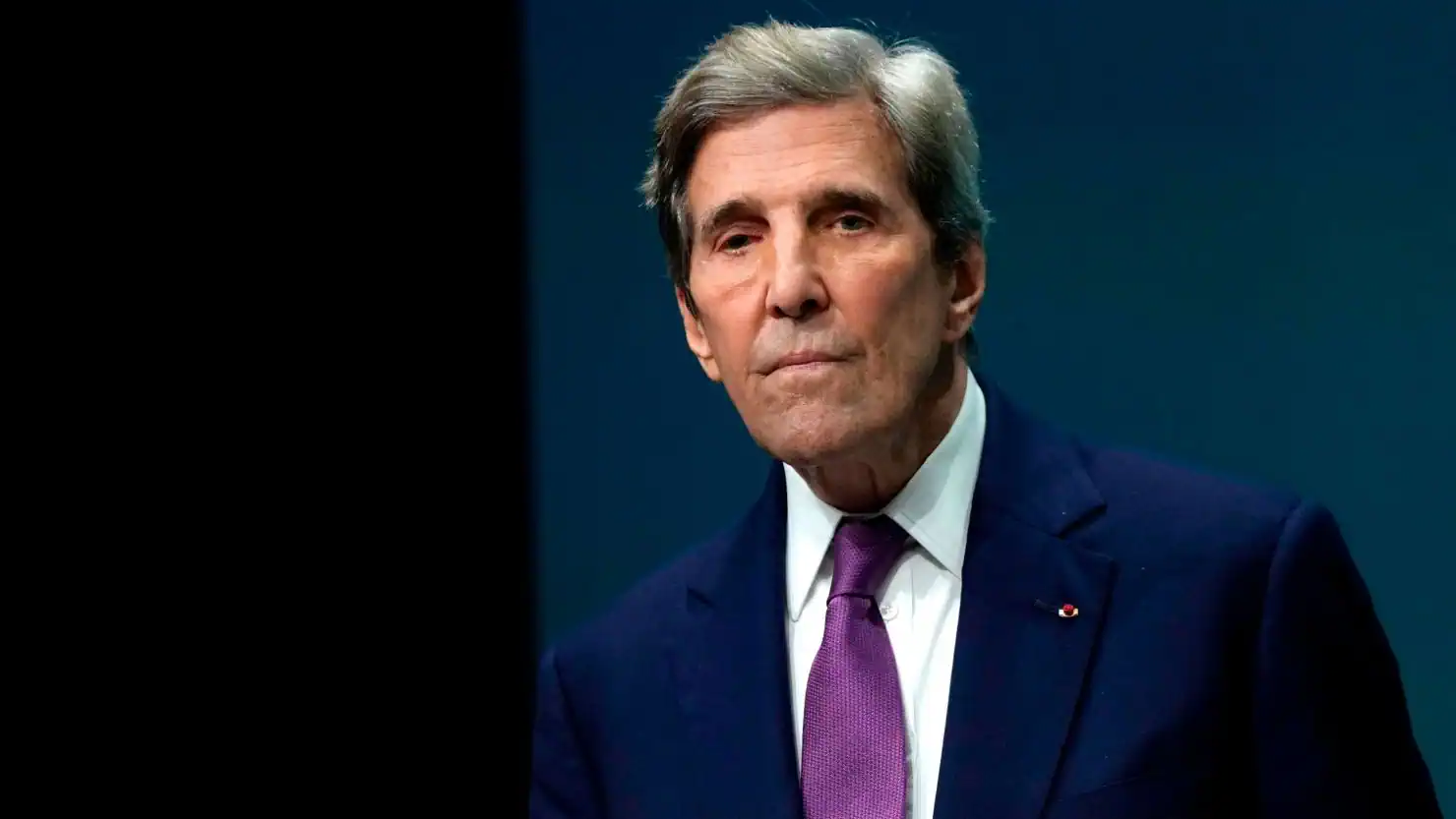
John Kerry, who served as the Biden administration’s special presidential envoy for climate, became one of the most recognizable figures in that debate. His international climate diplomacy attracted criticism from Republicans who questioned the environmental footprint of his travel and the consistency of his public message.
In 2023, Kerry faced pointed questions from Republican lawmakers during a House hearing. He strongly rejected the suggestion that he routinely traveled by private jet while serving as climate envoy. Kerry said he personally had never owned a private jet and had primarily traveled commercially during his time in the position, apart from five military flights. He also acknowledged that his wife had previously owned an aircraft and that he had flown on it in the past.
That distinction became central to the argument. Critics focused on the broader perception created when wealthy political figures appeared to enjoy privileges unavailable to ordinary citizens. Kerry, meanwhile, insisted that claims about his official travel were being misrepresented.
Mace’s criticism was not a documented personal confrontation with Kerry at that hearing. Rather, her earlier remarks about world leaders traveling by private jet reflected a wider concern about climate leadership and personal accountability. The distinction matters, but it does not make the underlying political question any less significant.
For many Americans, the debate is about fairness. Families are repeatedly encouraged to reconsider their energy consumption, transportation choices and daily habits. Businesses face pressure to adapt to changing environmental standards, while communities dependent on traditional energy industries worry about jobs, investment and the cost of transitioning to new technologies.
Against that backdrop, images of political and business leaders arriving at international conferences aboard private aircraft can become powerful symbols. Even when the practical reasons for official travel are more complicated, the optics can undermine public confidence.
Mace’s position also reflects the political balancing act surrounding climate policy. She has acknowledged that environmental changes matter to communities in her home state of South Carolina, particularly coastal areas facing flooding and rising water levels. Her criticism of private-jet travel therefore was not a rejection of the subject itself. It was a challenge to the credibility and consistency of those leading the international response.
That distinction is important in a debate often reduced to two opposing camps. One side argues that urgent action is necessary to limit the long-term consequences of climate change. The other warns that poorly designed policies could raise costs, threaten established industries and place disproportionate pressure on working families.
The private-jet controversy brings those competing concerns into a single, easily understood image: leaders asking the public to change its behavior while traveling in ways that appear to contradict their own message.
Supporters of climate diplomacy argue that international negotiations require travel and that private aviation represents only one part of a much larger emissions problem. They also point out that individual travel choices should not be used to dismiss the scientific evidence behind climate change or the need for coordinated action.
But the political challenge remains. Public trust depends not only on the goals leaders announce, but also on whether their conduct appears consistent with those goals. When that consistency is questioned, even a technically detailed policy argument can become a much harder sell.
For Mace, the issue offered an opportunity to question the standards applied by political leaders and international institutions. Her remarks captured a frustration shared by voters who believe that the burden of major policy changes too often falls on people with the least ability to absorb additional costs.
The controversy surrounding Kerry demonstrated how quickly the private-jet question can become a political flashpoint. His explanations addressed specific claims about his travel, but they did not eliminate the broader argument over privilege, transparency and public expectations.
Ultimately, the debate is bigger than one politician, one aircraft or one climate summit. It raises a question that neither party can easily avoid: If leaders expect citizens to make difficult changes in the name of the public good, what responsibility do those leaders have to set an example themselves?
Nancy Mace put that question into words. And as climate policy continues to shape economic and political debates across the United States, the demand for consistency between public promises and private behavior is unlikely to disappear.
