
Nancy Mace’s Economic Challenge: Inflation, Government Spending and the Pressure on American Families
The rising cost of everyday life remains one of the most consequential issues in American politics, and the debate over who should take responsibility for economic pressures facing ordinary households continues to divide Washington. At the center of the political argument are two lawmakers from opposing parties: Republican Representative Nancy Mace of South Carolina and Democratic Senator Amy Klobuchar of Minnesota.
The viral claim of a dramatic confrontation between the two on the Senate floor has attracted attention, but the setting requires clarification. Mace is a member of the House of Representatives, not the Senate, while Klobuchar serves in the United States Senate. No reliable record has been identified confirming the specific exchange described in the circulating account. Nevertheless, the economic questions raised by the story reflect a genuine and ongoing national debate.
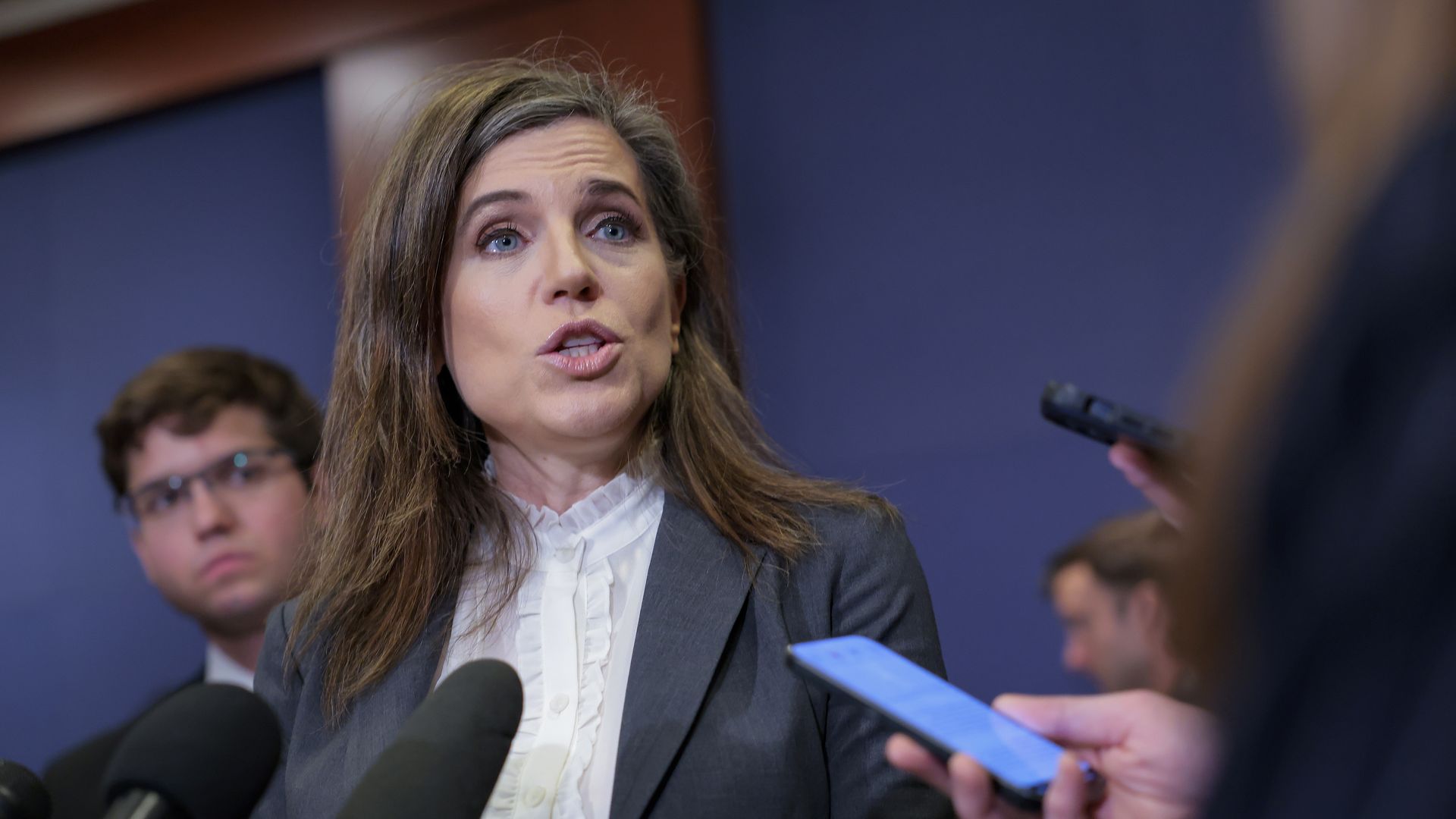
For millions of American households, economic policy is not an abstract argument about figures in a government report. It is reflected in the weekly grocery bill, the cost of filling a vehicle, monthly rent, insurance payments and the growing difficulty of putting money aside after essential expenses have been covered.
Inflation can change the financial calculations of families even when wages increase. A household may earn more than it did several years earlier and still find that its purchasing power has not kept pace with the cost of food, housing, transportation and other necessities. For people living paycheck to paycheck, even relatively small increases in recurring expenses can create significant pressure.
That reality gives economic debates in Washington an immediate political dimension. Lawmakers are expected to explain not only what policies they support, but also how those policies affect people outside the Capitol.
Republicans have frequently focused their criticism on federal spending, arguing that excessive government expenditure can contribute to inflationary pressures and that Washington must exercise greater discipline with public funds. From this perspective, the central question is whether federal priorities are producing measurable benefits for working Americans or adding to the financial burdens they already face.
Mace, a Republican representative from South Carolina, operates within that broader debate. Her political position gives her a platform to question federal priorities and demand greater accountability from Democratic leaders. The concerns highlighted in the viral account — grocery prices, fuel costs, government expenditure and the difficulties facing small businesses — are all issues that can shape voters’ perceptions of economic performance.

Democrats, including Klobuchar, have generally defended a different approach to economic management, emphasizing investment, support for families, infrastructure and measures intended to strengthen domestic industry. Their argument is that government spending should not be judged solely by its immediate cost, but also by the economic activity and public benefits it is designed to support.
The disagreement is not simply about whether government should spend money. It is about which investments are justified, how they should be financed, whether they produce lasting results and who ultimately bears the cost.
Small businesses illustrate the complexity of the issue. Independent retailers, restaurants, manufacturers and local service providers face a combination of expenses that can include wages, rent, electricity, insurance, transportation and supplies. When several of those costs rise simultaneously, business owners may have little room to absorb the increases without raising prices, reducing staffing or postponing expansion.
For consumers, those decisions can create another layer of pressure. Higher operating costs may eventually appear in the prices of goods and services, while reduced hiring or business investment can limit opportunities in local communities.
Energy prices are another important part of the household budget. Fuel costs affect commuters directly, but they also influence the transportation expenses of companies moving food, construction materials and consumer products across the country. Changes in energy markets can therefore have consequences well beyond the price displayed at a gas station.
Yet inflation cannot be explained by a single political decision or one category of government spending. Supply disruptions, energy markets, housing shortages, consumer demand, labor conditions and monetary policy can all influence prices. The relative importance of these factors changes over time, making broad claims about one person or one administration responsible for every increase difficult to sustain.
That complexity does not remove the responsibility of elected officials to explain their decisions. It makes transparency and evidence even more important.
For Republicans, the challenge is to demonstrate how spending reductions or alternative economic policies would ease pressure on households without creating other costs. For Democrats, the challenge is to show that public investment delivers benefits that justify its expense and that economic gains reach families who continue to struggle with essential bills.
Klobuchar’s role as a senator places her within the Democratic debate over national economic priorities, while Mace represents a Republican constituency in the House. Their institutional positions are different, but the policy questions associated with their parties frequently intersect in congressional discussions, committee work and public statements.
Ultimately, the political argument comes down to a question that millions of Americans ask when they review their monthly expenses: Are the decisions being made in Washington improving their financial security, or are families being left to manage rising costs on their own?
That question deserves more than a dramatic headline or an unverified account of a confrontation. It requires clear explanations of the policies involved, credible economic evidence and accountability from lawmakers on both sides of the aisle.
