
John Kennedy Challenges Merrick Garland: The Senate Showdown Over the Justice Department’s Independence
A tense exchange between Senator John Kennedy and Attorney General Merrick Garland placed the Justice Department’s independence under intense scrutiny, as the Louisiana Republican challenged the administration’s handling of a controversial memorandum involving parents, school boards and federal law enforcement.
The confrontation took place during a Senate Judiciary Committee hearing on October 27, 2021, when Garland appeared before lawmakers to answer questions about the department’s policies and oversight responsibilities. At the center of Kennedy’s questioning was a memorandum Garland had issued earlier that month directing the FBI and federal law enforcement agencies to address threats of violence against school officials.

The memorandum followed a September 29 letter from the National School Boards Association, which described incidents involving harassment, intimidation and threats directed at school board members and education personnel. The association asked the Biden administration to consider whether some conduct could fall under federal criminal statutes.
The letter quickly became politically controversial, particularly after critics argued that it portrayed ordinary disagreements over school policies as potential threats requiring federal intervention. The association subsequently apologized for its letter, adding to Republican demands that the Justice Department explain the information it had relied upon.
Kennedy used the hearing to question the sequence of events leading to Garland’s decision. His central argument was straightforward: had the attorney general independently investigated the incidents cited in the association’s letter before issuing the memorandum?
Garland explained that the department had received reports of threats and that the memorandum was intended to begin an assessment process. He emphasized that the document did not itself order investigations into every incident described in the association’s letter.
Kennedy repeatedly returned to the distinction between assessing a reported threat and investigating the underlying incidents. He pressed Garland to acknowledge that the department had not completed individual investigations before issuing the memorandum.
Garland responded that the assessment process was an initial step intended to determine whether federal involvement was appropriate. He also clarified that the memorandum did not list the specific incidents contained in the association’s letter.
The exchange became particularly pointed when Kennedy questioned whether the administration’s announcement could discourage parents from participating in school board meetings. He argued that parents might interpret the involvement of federal law enforcement as a warning that outspoken criticism of school policies could expose them to scrutiny.
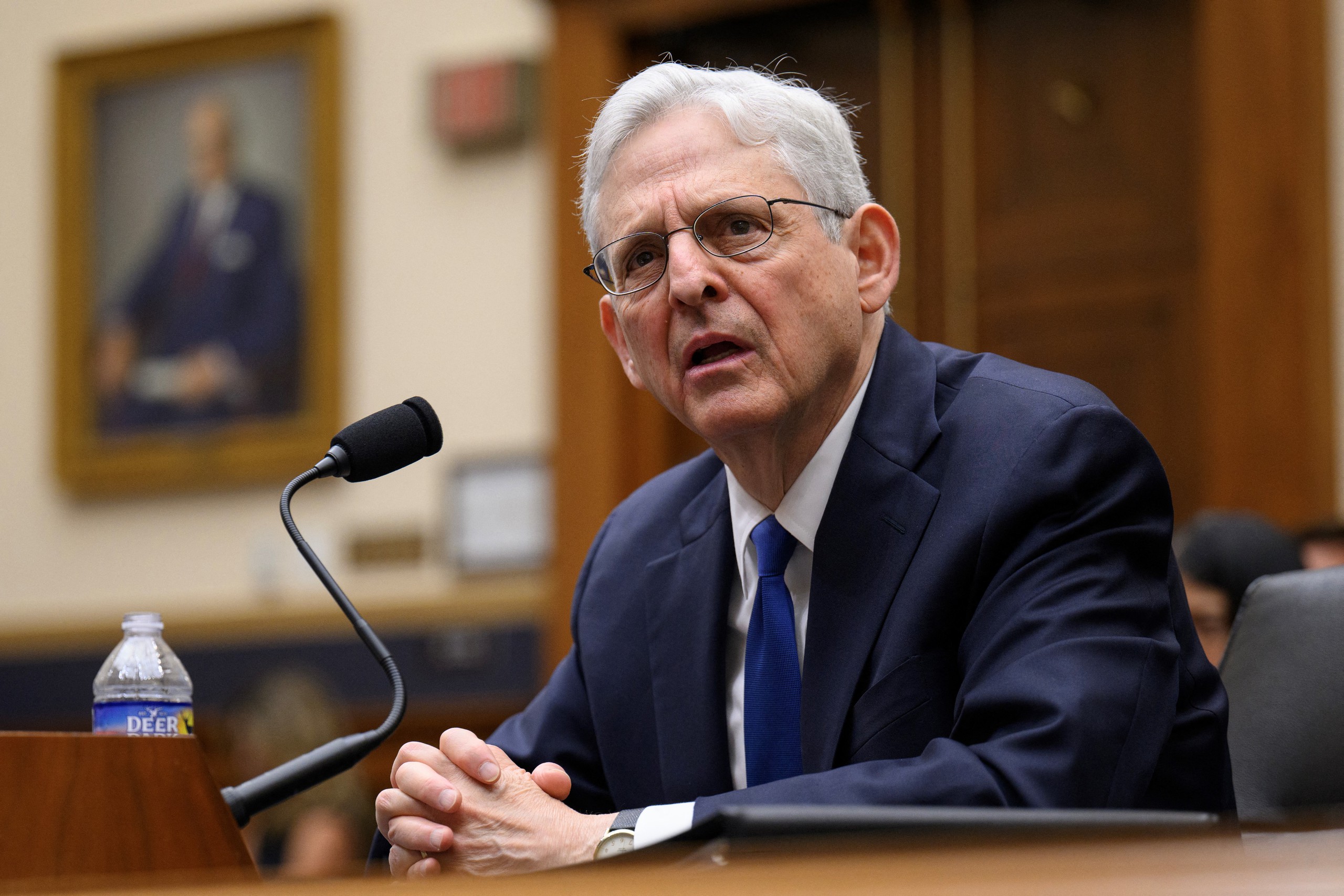
Garland rejected that interpretation. He explained that the department was concerned about threats of violence, not protected speech or ordinary disagreements between parents and school officials. He repeatedly maintained that the memorandum did not authorize the FBI to investigate parents simply for expressing opposition to educational policies.
The disagreement reflected a wider national controversy over parental rights, school governance and the limits of federal law enforcement. Across the country, school board meetings had become increasingly contentious as parents challenged decisions involving curriculum, pandemic restrictions, race-related instruction and other education policies.
Republican lawmakers argued that the federal government’s involvement risked creating a chilling effect on constitutionally protected speech. Democrats and supporters of the administration countered that threats against public employees should not be dismissed simply because they arose during politically charged debates.
Kennedy’s questioning also moved beyond the technical language of the memorandum. He raised concerns about the role of parental involvement in children’s lives and asked Garland to acknowledge that parents should be able to participate in educational decisions without fearing federal intervention.
Garland agreed that parental involvement was essential. However, he maintained that the government also had a responsibility to respond when credible threats of violence were reported.
One of the most memorable moments came when Kennedy challenged Garland over what he considered the potential consequences of the memorandum. He argued that parents could reasonably fear attending public meetings if they believed the FBI might become involved in disputes over school policies.
Garland insisted that the department’s position was narrower than Kennedy suggested. He explained that the memorandum was directed at threats of violence and did not transform ordinary political disagreements into federal crimes.
The senator was not satisfied with that distinction. His questions reflected a broader concern among Republicans that federal agencies could use expansive interpretations of public safety to become involved in politically sensitive disputes.
The controversy did not end with the hearing. On October 28, Kennedy joined several Republican senators in requesting that Garland provide the evidence he had personally relied upon when preparing the memorandum. Their letter asked for information about the period between September 29 and October 4, 2021, excluding the original association letter itself.
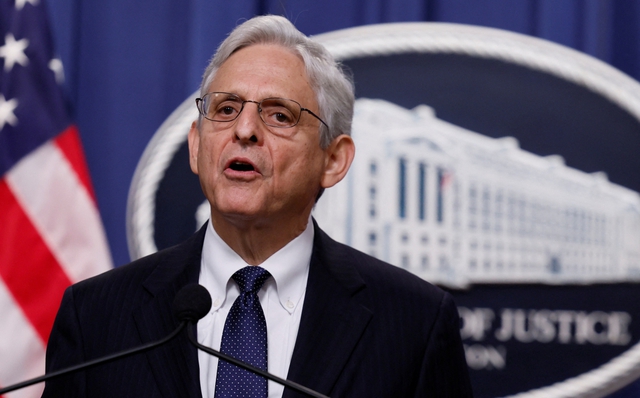
The request demonstrated that the dispute had moved beyond a televised exchange. Republican lawmakers wanted a documented explanation of how the attorney general had reached his decision and what information had been available to him at the time.
The broader issue was the proper balance between protecting public officials from genuine threats and safeguarding the constitutional rights of citizens who criticize government institutions. Both responsibilities are important, but disagreements over where one ends and the other begins can become especially contentious when federal law enforcement enters the discussion.
Garland defended the department’s responsibility to assess threats and protect public employees. Kennedy questioned whether the administration had established a sufficient factual basis before announcing its response and whether the memorandum risked discouraging legitimate parental participation.
The official hearing record documents this disagreement, but it does not support the more elaborate version now circulating online. There is no verified evidence that Kennedy unveiled a massive timeline chart, confronted Garland with secret emails or produced a collection of hidden documents that forced the attorney general into an unexpected admission.
The actual exchange was significant without those additions. It placed a consequential question before the Senate: how should the Justice Department respond to threats against school officials without creating the impression that federal investigators are monitoring ordinary political expression?
That question continues to resonate in debates over executive authority, civil liberties and the independence of federal institutions. The Kennedy-Garland exchange remains a documented example of how congressional oversight can bring those competing responsibilities into direct conflict.
