
Senate Democratic leader Chuck Schumer is facing a challenge from within his own party after Senator Bernie Sanders publicly endorsed Senator Chris Van Hollen to replace him as the next Senate majority leader.
The confrontation comes just days after Democrats celebrated their sweeping victories in the November 3, 2026, midterm elections.
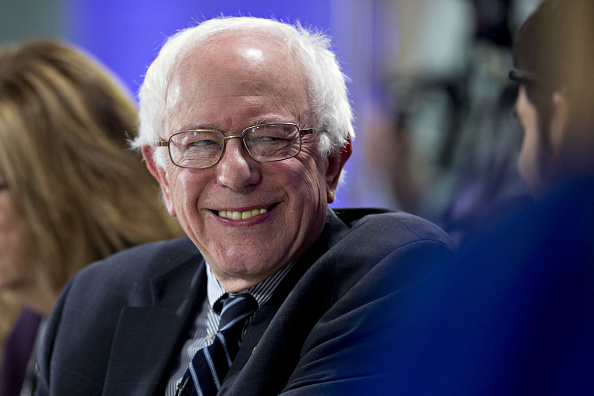
Schumer has presented those victories as evidence that his leadership helped Democrats regain control of the Senate.
But Sanders argues that winning an election does not automatically mean voters want the same leadership and political strategy.
On November 12, Van Hollen formally announced that he would challenge Schumer for the party’s top Senate position.
Sanders endorsed the Maryland senator that evening, transforming a growing internal debate into a direct leadership contest.
Progressive lawmakers and several newly elected senators quickly rallied behind the challenger.
Schumer responded by expressing confidence that he already possessed enough support to remain leader.
Yet the coming leadership election will take place behind closed doors, with senators casting secret ballots.
That means public endorsements cannot reveal precisely how every senator intends to vote.
And with several lawmakers still withholding their commitments, the central question remains unanswered.
Can Schumer’s claim of majority support withstand an internal challenge from Democrats demanding a different direction?
Sanders Delivers an Unexpected Challenge to Schumer
The dispute began escalating on November 10, when Sanders appeared alongside Michigan Senator Elissa Slotkin during a Capitol Hill news conference.
The Vermont independent, who caucuses with Democrats, announced that he would not support Schumer’s reelection as Senate Democratic leader.
Sanders acknowledged his long personal relationship with the New York senator.
He also praised Schumer’s work ethic and years of service to the Democratic caucus.
But he made clear that personal respect would not determine his leadership vote.
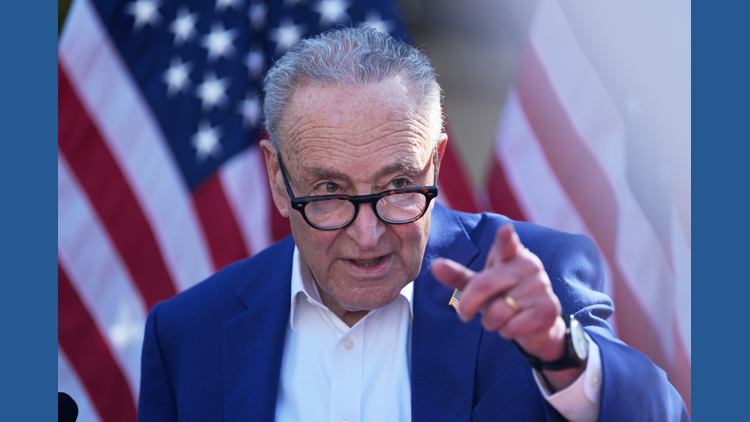
Sanders argued that the election results reflected public dissatisfaction with economic conditions and established political practices.
He pointed to Americans struggling with housing costs, medical expenses, groceries, and long-term financial insecurity.
In his view, Democrats had received an opportunity to demonstrate a different approach to governing.
He questioned whether the party could fulfill that expectation under unchanged leadership.
Sanders called for a vigorous debate about the party’s future and its relationship with wealthy donors and powerful economic interests.
His announcement immediately attracted attention because he had become the most prominent progressive to oppose Schumer’s continued leadership.
But the senator initially stopped short of formally endorsing a replacement.
That changed when Van Hollen entered the race.
On November 12, Sanders announced his support for the Maryland Democrat.
He explained that Americans had voted for change and wanted leaders prepared to challenge powerful interests and advocate for working families.
The endorsement gave Van Hollen a recognizable national supporter with substantial influence among progressive activists.
It also raised the visibility of a contest that had previously appeared unlikely to develop into a serious challenge.
Sanders was no longer simply calling for a different leadership strategy.
He was supporting a specific senator who wanted Schumer’s position.
Van Hollen Turns Internal Frustration Into a Leadership Campaign
Chris Van Hollen’s entry into the contest transformed the debate.
Earlier in the week, he had indicated that he was considering whether to run.
He described himself as consulting colleagues and listening to their concerns.
On November 12, he publicly confirmed his candidacy.
Van Hollen argued that voters had delivered a mandate to challenge economic inequality and political corruption.
He maintained that Democrats needed leadership prepared to translate those demands into governing decisions.
His criticism went beyond broad complaints about the party’s messaging.
He also questioned Schumer’s involvement in Democratic primary elections.
Van Hollen argued that Senate leaders should not favor particular candidates in competitive Democratic primaries.
He pointed toward the election victories of Abdul El-Sayed in Michigan and Peggy Flanagan in Minnesota.
Both had emerged from political contests involving significant disagreements within the Democratic Party.
Van Hollen suggested that their success demonstrated the importance of allowing voters rather than national party leaders to determine nominees.
The argument appealed to Democrats frustrated by the party establishment’s role in candidate recruitment and endorsements.
It also introduced a disagreement over how Democratic leaders should exercise institutional power.
Schumer’s defenders argue that national party leadership has a responsibility to recruit candidates capable of competing in difficult elections.
Critics argue that heavy involvement in primaries can discourage alternative voices and undermine confidence in the nomination process.
Both perspectives reflect competing ideas about political organization.
Van Hollen wants the leadership contest to address those differences rather than become a simple affirmation of Schumer’s continued authority.
He has also emphasized the need for a different approach to legislative negotiations.
One example involves the December 11 government funding deadline.
Van Hollen suggested Democrats should consider using the deadline as leverage to challenge the Trump administration over the Iran war.
That position raises questions about legislative strategy and the circumstances under which congressional leaders should withhold support for major funding measures.
For Van Hollen, the dispute is about how a Democratic majority should exercise its power.
For Schumer, the challenge comes after an election that returned his party to Senate control.
Schumer Points to the Election Results
Schumer has not indicated that he intends to withdraw from the leadership contest.
Instead, he has emphasized the party’s recent electoral success.
Democrats secured at least 55 Senate seats following the November 3 elections, with the final balance potentially affected by outstanding results.
The party’s victories gave it control of the chamber beginning in January 2027.
Schumer and his allies argue that the results demonstrate the effectiveness of the party’s electoral organization.
They point to candidate recruitment, fundraising, campaign coordination, and victories in competitive states.
New York Senator Kirsten Gillibrand has publicly defended Schumer’s leadership.
She argues that his contributions to the election effort deserve recognition as Democrats prepare to govern.
Independent Senator Angus King of Maine has also expressed support for Schumer.
King questioned the logic of removing a political leader immediately after a major electoral victory.
Their argument is based on continuity.
They believe Schumer’s experience could help Democrats manage their new majority and negotiate with President Donald Trump’s administration.
Schumer has led Senate Democrats since January 2017.
During that period, he has served as both majority leader and minority leader.
His supporters point to his understanding of Senate procedures and long-established relationships across the caucus.
They argue that those relationships can be valuable when advancing legislation through a closely divided chamber.
But Sanders and Van Hollen interpret the election differently.
They acknowledge the victories while arguing that voters demanded broader political and economic change.
Their position is that electoral success should not automatically protect existing leadership from scrutiny.
This creates the central disagreement.
Schumer’s supporters emphasize the achievements that brought Democrats back to power.
His challengers emphasize the expectations that accompany those victories.
The leadership election will determine which approach receives enough support within the Democratic caucus.
Progressive Senators Begin Taking Sides
The challenge gained additional momentum after several Democratic senators and incoming lawmakers endorsed Van Hollen.
Senator-elect Abdul El-Sayed publicly supported the Maryland senator’s campaign.
El-Sayed argued that Democrats needed leadership capable of responding to the demands expressed by voters.
He emphasized political courage and a willingness to reconsider established strategies.
Minnesota Senator-elect Peggy Flanagan also endorsed Van Hollen.
She argued that Democrats needed new voices in leadership to produce meaningful changes for Americans.
Oregon Senator Jeff Merkley subsequently joined the group supporting Van Hollen.
Together, those endorsements demonstrated that Sanders was not acting alone.
However, support for a leadership change does not necessarily mean support for Van Hollen.
Senator Elissa Slotkin has called for candidates to present concrete plans for governing differently.
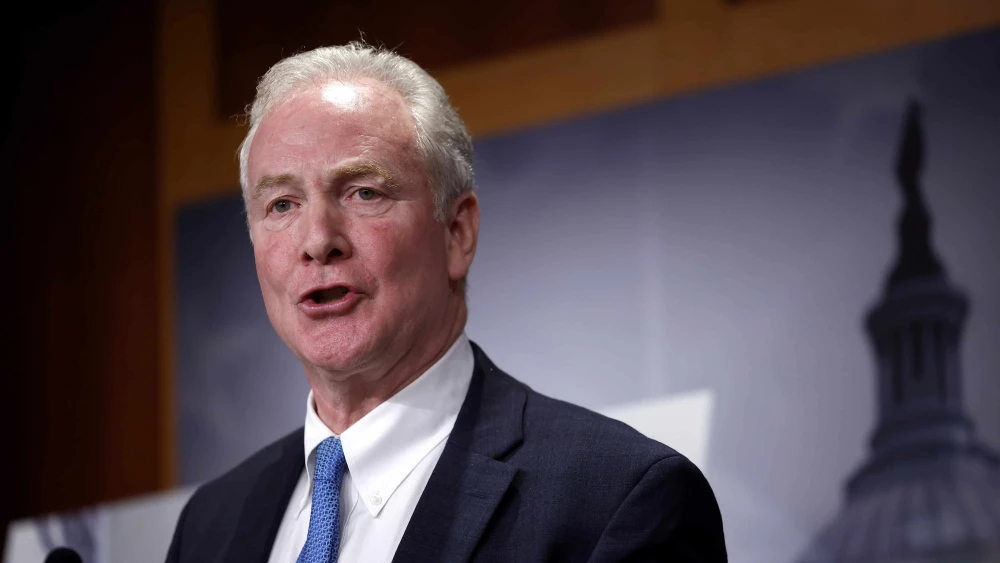
She has emphasized the importance of affordability and a clear legislative agenda.
But she has not publicly committed to Van Hollen.
Other Democrats have similarly expressed interest in discussing leadership without endorsing a specific challenger.
This distinction matters because the caucus contains lawmakers with different political priorities.
Some senators want stronger progressive economic policies.
Others emphasize legislative compromise, institutional experience, or electoral performance.
A senator may support leadership reform without agreeing with every position advanced by Van Hollen.
Likewise, a senator may support Schumer while favoring significant changes to the party’s policy agenda.
The endorsements therefore reveal competing preferences rather than a simple division between progressives and moderates.
The leadership contest will require candidates to address those differences.
Van Hollen must explain how his leadership would produce a more responsive Democratic majority.
Schumer must explain how his continued leadership would meet voters’ expectations while maintaining the party’s internal cooperation.
The Secret Ballot Creates a Different Political Calculation
Perhaps the most important feature of the contest is how Senate Democrats will choose their leader.
The caucus is scheduled to vote on December 1, 2026.
The election will occur through a secret ballot.
That procedure allows senators to vote without publicly revealing their choices.
It also means that an announced endorsement does not legally bind a senator’s eventual vote.
Schumer has expressed confidence that he possesses the necessary support.
Van Hollen has challenged that assertion.
He recently said he had backing from more than ten members of the incoming Democratic caucus.
Public reporting on November 13 identified considerably more announced supporters for Schumer than for Van Hollen.
Axios reported approximately 14 public endorsements for Schumer, including himself, compared with five for Van Hollen.
The remaining senators had not all publicly declared their positions.
Depending on the final size of the incoming caucus, a candidate would need approximately 28 or 29 votes to secure a majority.
That threshold provides the mathematical context for the race.
However, the number of publicly declared supporters cannot establish the exact private vote count.
Some senators may have privately communicated their intentions to one candidate.
Others may still be evaluating the competing proposals.
Still others may choose to keep their preferences confidential until the election.
Van Hollen has described himself as an underdog.
Schumer maintains that he already possesses enough support.
Those are the candidates’ assessments, not confirmed results of the secret ballot.
The final count will only become clear when the caucus votes.
That uncertainty explains why lawmakers who have not announced endorsements are receiving attention.
Their decisions could affect the outcome, but it would be speculative to claim that they have already agreed to abandon Schumer.
No verified public evidence establishes a coordinated group of secret defectors preparing to remove him.
The uncertainty is real.
The alleged behind-the-scenes panic remains an interpretation rather than a documented fact.
The Election Exposes a Larger Debate About Democratic Leadership
The dispute extends beyond the personal relationship between Schumer and Sanders.
It reflects an argument about what Democratic voters expected from the midterm elections.
Sanders believes economic inequality should become a central priority.
He wants Democratic leadership to challenge the influence of wealthy individuals and major corporations.
Van Hollen has emphasized economic reform, political accountability, and a different approach to institutional leadership.
Schumer’s allies emphasize legislative experience, electoral organization, and the practical demands of governing.
These priorities are not necessarily mutually exclusive.
A Democratic leader could advocate economic reforms while maintaining established legislative relationships.
Likewise, a leadership change would not automatically guarantee that the caucus could pass every proposed reform.
Senate legislation still requires negotiation among lawmakers with different policy preferences.
Major bills may face procedural obstacles even when one party controls the chamber.
The president also retains significant executive authority, including the ability to veto legislation.
Therefore, changing the Senate leader would not by itself settle disagreements about taxation, health care, housing, or foreign policy.
Candidates would still need to secure support for specific proposals.
That is why Slotkin and other senators have called for detailed governing plans.
Their position emphasizes the importance of evaluating leadership candidates through practical commitments.
Van Hollen’s challenge creates an opportunity for that discussion.
Schumer’s reelection campaign requires him to explain what his next period of leadership would accomplish.
The question is not simply which senator can claim the greater number of political allies.
It concerns how the incoming majority intends to use congressional power.
December’s Vote Will Settle the Leadership Question
The next significant date is December 1, when Senate Democrats are scheduled to hold their leadership election.
Until that vote occurs, Schumer remains the party’s current Senate leader.
Van Hollen is an announced challenger, supported by Sanders and several other lawmakers.
The available evidence confirms that the contest is genuine.
It also confirms that the two candidates are presenting different arguments about the meaning of the midterm election results.
Schumer emphasizes the party’s electoral success and the institutional experience required to lead a majority.
Van Hollen argues that the election demands a change in leadership and political strategy.
Sanders has publicly chosen Van Hollen’s side.
Other senators have declined to make their positions known.
The secret ballot ensures that public declarations cannot provide a complete picture of the eventual result.
For that reason, claims that Schumer has already lost control of the caucus would be premature.
So would claims that his reelection is guaranteed.
Both candidates must obtain enough votes when their colleagues formally make their choice.
The result will determine who leads Senate Democrats when the next Congress convenes in January 2027.
It will also indicate how the caucus intends to approach its renewed responsibility for governing.
But the vote alone will not settle the underlying policy disagreements.
Democrats will still face questions about affordability, health care, economic inequality, immigration, federal spending, and relations with the Trump administration.
Whichever senator leads the caucus will need to manage those competing demands.
That is the larger significance of Sanders’ endorsement.
He has converted his dissatisfaction with the party’s direction into support for an actual leadership challenger.
Van Hollen has converted that support into a formal campaign.
And Schumer must now defend his position before colleagues who will cast their votes privately.
