
Jack Smith and John Kennedy: The Heated Senate Exchange Behind the Viral Eight-Word Comeback
A tense Senate Judiciary Committee hearing on September 29, 2026, brought former Special Counsel Jack Smith face to face with Senator John Kennedy in a confrontation over the investigation of President Donald Trump. The exchange quickly became one of the more contentious moments of the proceedings, with Kennedy challenging Smith’s handling of investigative records and questioning whether constitutional protections had been respected.
Online accounts have since added a dramatic exchange in which Smith supposedly told Kennedy, “You don’t understand the law,” only for the Louisiana senator to respond with eight carefully chosen words: “I understand the law. You just weaponized it.” The alleged quotation has not been established by the official hearing record. Neither does the transcript document the theatrical pause, the tapping of Kennedy’s glasses or the mysterious folder described in the viral version.
The actual confrontation, however, was significant in its own right.

Smith appeared before the Senate Judiciary Committee to answer questions about his work as special counsel, including the investigations involving Trump’s handling of classified documents and efforts to overturn the 2020 presidential election results. His written testimony defended the independence of his office and maintained that prosecutorial decisions were based on evidence and the law rather than political considerations.
Republican senators approached the hearing with a different set of concerns. They questioned the scope of Smith’s investigations, the collection of private information and whether investigative procedures had crossed constitutional boundaries. Democrats, meanwhile, challenged the committee’s characterization of the investigations and defended the legitimacy of prosecuting alleged criminal conduct regardless of a subject’s political position.
Kennedy’s questioning became particularly confrontational when he turned to the collection of telephone records belonging to members of Congress. The senator argued that the investigative process had raised serious questions under the Constitution’s Speech or Debate Clause, which protects members of Congress from certain forms of executive interference connected to their legislative activities.
Kennedy asked Smith whether his team had sought records belonging only to Republicans and whether he understood that such actions could violate constitutional protections. Smith rejected the premise, responding that the investigative team had sought to comply with the law.
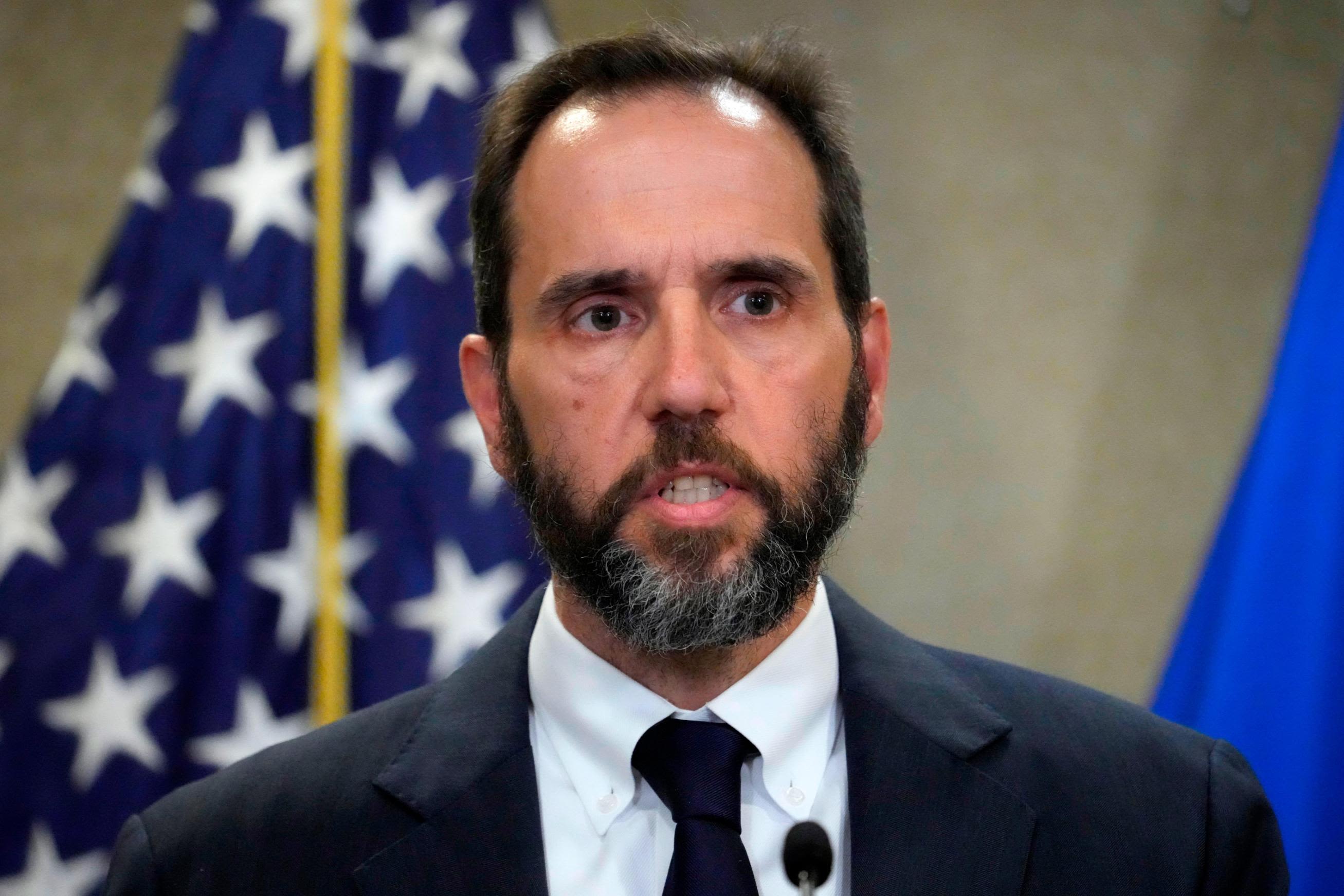
Kennedy then pressed him on his legal education, asking whether he had taken constitutional law at Harvard Law School. Smith confirmed that he had. Kennedy followed with a sarcastic question about whether Smith had been playing Frisbee instead of attending the class, before arguing that anyone familiar with constitutional law should have recognized the potential problem.
The exchange became more pointed when Kennedy focused on the procedures used to obtain nondisclosure orders. He questioned whether the judge overseeing the process had been informed that investigators were seeking telephone records belonging to members of Congress. Kennedy suggested that the judge might have rejected the request had the full circumstances been disclosed.
Smith responded that the team had sought nondisclosure orders from the court. When Kennedy pressed him on whether the records had been disclosed to the judge, Smith acknowledged that they had not been disclosed in seeking those orders. The distinction became a central point of disagreement between the senator and the former special counsel.
The issue was not simply whether investigators had obtained records. It concerned the legal basis for obtaining them, the scope of the requests and the procedures used to prevent subjects from learning about the investigation while it was underway. Those questions carry particular weight when the records involve members of Congress, whose constitutional protections are intended to preserve the independence of the legislative branch.
Kennedy continued his criticism, questioning Smith’s claim to political independence. He challenged the former special counsel over his appointment by Attorney General Merrick Garland and asked whether Smith had wanted President Joe Biden to win reelection. Smith denied having political preferences relevant to his work and said his responsibility as a prosecutor had been to enforce the law.

Smith maintained that he accepted the special counsel position because of his decades of prosecutorial experience. He said he believed he was qualified to conduct the investigations independently and would have approached the cases in the same way regardless of whether the subject was a Republican or a Democrat.
Kennedy was not satisfied with those explanations. As the questioning continued, he accused Smith of evading straightforward questions and criticized his handling of the investigation. At one point, Kennedy declared that Smith’s answers made him “want to throw up in my mouth,” a remark that captured the increasingly hostile tone of the exchange.
The confrontation also drew an intervention from Senator Dick Durbin, the committee’s ranking Democrat. Durbin objected to the way Smith was being questioned, arguing that the witness should be allowed to complete his answers. He reminded the chairman that witnesses from both political parties deserved the same basic courtesy and that the hearing was of constitutional and historical importance.
Chairman Chuck Grassley acknowledged that Kennedy’s allotted time had expired. Kennedy continued to object to Smith’s responses, and the disagreement over how the witness should answer became another point of tension between the senators.
The hearing also addressed the broader controversy surrounding Smith’s investigations and the collection of information from individuals and organizations connected to political activity. Questions about financial records, telephone data and the use of nondisclosure orders became part of a larger dispute over the boundaries of prosecutorial authority.
Smith defended the work of his office, maintaining that investigative decisions were based on the evidence and legal requirements. His written testimony argued that the special counsel’s team had followed Justice Department policies and that the charges brought against Trump were supported by evidence presented to grand juries. Those statements were contested by Republican lawmakers, who questioned the investigation’s methods and whether its procedures had been applied consistently.
The legal questions raised during the hearing are not resolved simply by one senator’s criticism or one witness’s denial. The Speech or Debate Clause provides important protections for members of Congress, but its application depends on the specific conduct involved and the legal circumstances surrounding the records sought. Similarly, nondisclosure orders can be used in legitimate investigations, but their scope and the information provided to courts remain important matters of legal scrutiny.
That is why the distinction between the real hearing and the viral version matters. The September 29 exchange was documented, and Kennedy’s criticism was direct. But the supposed eight-word comeback attributed to him, the claim that Smith first declared he did not understand the law and the dramatic folder scene do not appear in the available transcript.
The genuine confrontation was less scripted but more revealing. It exposed competing interpretations of prosecutorial independence, congressional privilege and the limits of investigative authority. Kennedy demanded explanations about the collection of lawmakers’ records and the court procedures involved. Smith defended his team’s actions and rejected the senator’s characterization of the investigation.
For the Senate Judiciary Committee, the disagreement raised questions that extend beyond the personalities involved. How should investigators handle records connected to elected representatives? What information must be disclosed to judges when seeking nondisclosure orders? And what safeguards are necessary to ensure that criminal investigations do not undermine the constitutional independence of Congress?
Those questions deserve answers grounded in legal documents, testimony and judicial review rather than invented quotations. The viral story may have transformed the hearing into a dramatic contest of one-liners, but the documented exchange already provides a substantial record of disagreement. At its center was a serious constitutional dispute over how far federal investigators can go when pursuing an investigation that touches the political branches of government.
