
The Money Trail Behind Washington’s Latest Political Fight
Congressman Jamie Raskin has intensified his criticism of President Donald Trump and congressional Republicans, raising questions about billionaire donors, corporate tax benefits, and political influence.
His argument centers on a troubling possibility that has shaped Washington’s campaign finance debate for decades.
Can ordinary Americans trust government decisions when wealthy donors possess extraordinary resources to influence elections and public policy?
Raskin argues that the relationship between political money and federal legislation deserves far more scrutiny than it currently receives.
Senator Ted Cruz, meanwhile, has defended Republican tax policies as instruments for economic growth, investment, and financial relief for American families.
Their competing positions have created a substantial disagreement over who benefits from Washington’s economic decisions.
But an increasingly dramatic online narrative adds another allegation.
It describes Raskin confronting Cruz in person, accusing him of hypocrisy, and exposing a supposed financial arrangement involving wealthy political donors.
No authenticated recording or official transcript reviewed establishes that the alleged face-to-face confrontation occurred.
The documented disagreement is political and legislative, not a verified courtroom-style showdown between the two lawmakers.
Yet the underlying evidence is significant.
Raskin has publicly criticized the Trump administration’s tax legislation and its treatment of wealthy Americans.
Cruz has defended Republican tax reductions and advocated additional changes to capital gains taxation.
Federal campaign finance regulations also permit certain political committees to receive unlimited donations.
And a November 20 development introduced a new possibility for congressional scrutiny.
Raskin, preparing for expanded oversight authority, warned federal agencies to preserve records as Democrats considered investigations involving Trump’s corporate donors.

That development shifted the controversy beyond ordinary campaign rhetoric.
The question was no longer simply whether billionaires influence politics.
It concerned what congressional investigators might actually establish about relationships between political contributions and government decisions.
Raskin’s Warning About Trump’s Tax Legislation
Raskin’s criticism became particularly visible during congressional consideration of Trump’s sweeping tax and spending legislation in 2025.
The Maryland Democrat argued that the Republican package disproportionately benefited wealthy Americans while placing significant pressure on healthcare and public assistance programs.
On May 22, 2025, Raskin condemned the House’s approval of the legislation.
He characterized the measure as a transfer of economic advantages toward high-income households at the expense of families dependent on federal services.
His criticism focused especially on Medicaid, Affordable Care Act coverage, and the consequences of proposed spending reductions.
Those concerns became central to the political fight surrounding the legislation.
Republicans defended the package as an effort to preserve tax reductions, encourage investment, and reduce barriers to economic growth.
Democrats argued that its distributional effects favored higher-income households and corporations.
The disagreement intensified when Congress moved toward final passage.
On July 3, Raskin released another statement condemning the legislation’s effects on healthcare coverage and federal debt.
He argued that Republicans were prioritizing tax advantages for wealthy Americans while reducing assistance available to vulnerable households.
Those were Raskin’s political and economic assessments, not findings that individual lawmakers had committed financial misconduct.
Evaluating the legislation requires examining its specific provisions, the distribution of tax benefits, and projected changes to federal spending.
Different tax provisions can affect households and businesses in substantially different ways.
A reduction in individual income taxes may benefit workers across several income categories.
Changes to corporate taxation can affect shareholders, investment decisions, wages, and government revenue through different mechanisms.
The overall distribution of benefits therefore cannot be established merely by describing a law as pro-business or pro-worker.
Independent fiscal analysis is necessary.
That complexity became particularly important because Cruz offered a substantially different interpretation of the Republican agenda.
For him, lower taxation represented a means of expanding opportunity rather than transferring political rewards to wealthy contributors.
The disagreement between the two lawmakers concerned the economic consequences of the same broad policy direction.
But Raskin wanted another issue examined.
He questioned how political relationships and financial interests might shape the priorities lawmakers chose to advance.
Ted Cruz Defends the Tax Cuts and Raises the Stakes
Cruz has consistently supported reducing federal tax burdens and simplifying the tax code.
His stated position is that individuals and businesses should retain more of their earnings rather than transferring those resources to Washington.
He has promoted proposals involving lower taxes, investment incentives, and changes to federal revenue policy.
During 2025, Cruz supported major Republican tax legislation and highlighted provisions intended to benefit working families.
Those included tax relief involving tips and savings accounts designed for children.
Cruz argued that the package would encourage economic participation while supporting household finances.
The political disagreement intensified in March 2026.
Cruz and Senator Tim Scott urged Treasury Secretary Scott Bessent to consider changes allowing inflation adjustments when calculating certain capital gains taxes.
The proposal could substantially reduce taxes on qualifying investment gains.
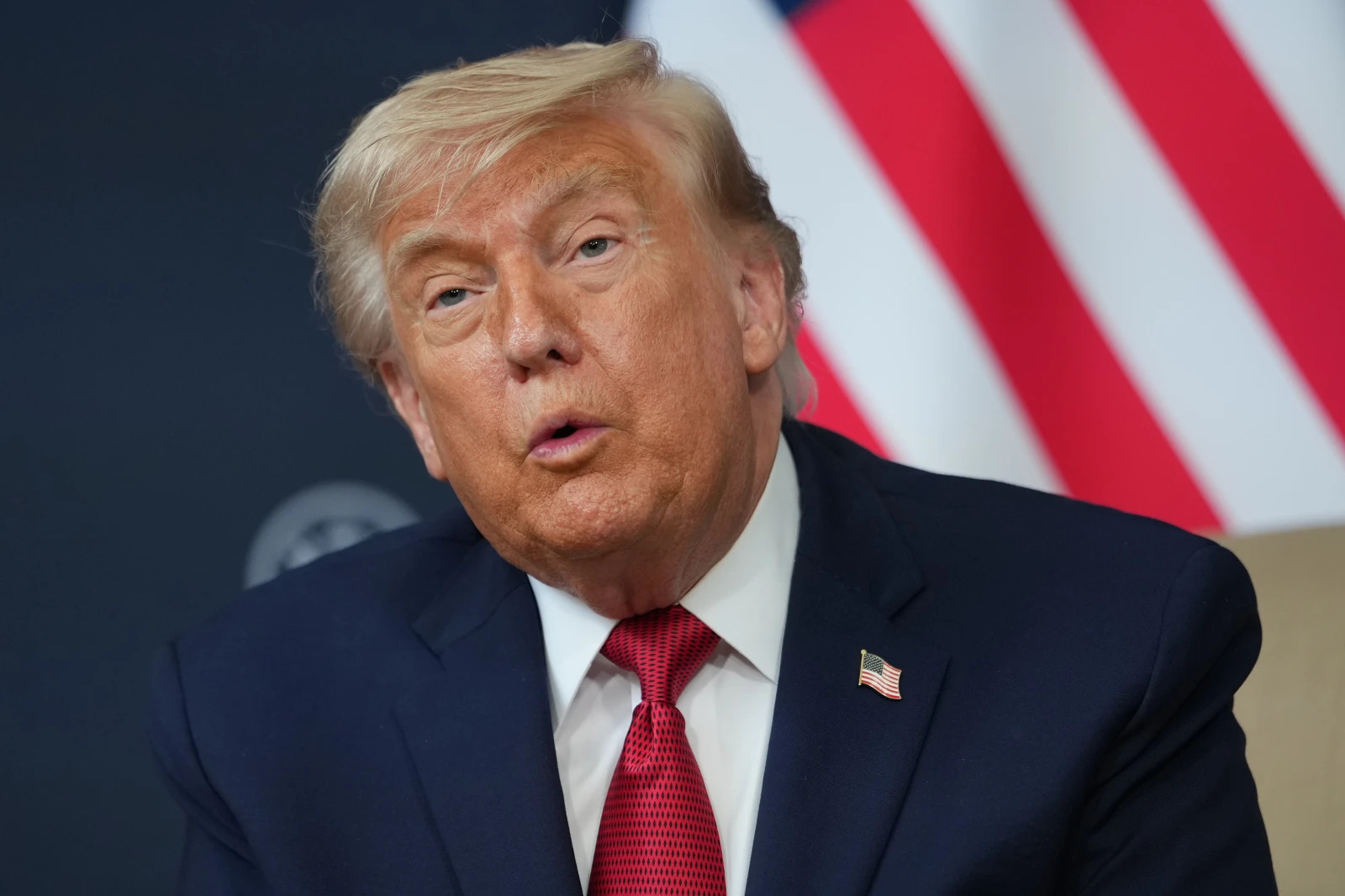
According to contemporaneous reporting by The Washington Post, the proposed change carried an estimated fiscal cost approaching $200 billion.
Supporters argued that inflation adjustments could prevent taxpayers from being taxed on nominal gains that did not reflect increased purchasing power.
Critics warned that the benefits could disproportionately flow toward people holding substantial appreciating assets.
The issue highlighted a fundamental disagreement over tax fairness.
Cruz’s position emphasized investment incentives and reducing taxation on gains affected by inflation.
Raskin’s broader criticism emphasized the distribution of federal tax benefits and the competing needs of households dependent on public services.
Neither argument, by itself, established that a politician had acted improperly.
But the proposals created an identifiable question about economic distribution.
Who would actually receive the benefits, and how would those benefits compare with the legislation’s costs?
That question requires examining the income and wealth characteristics of taxpayers affected by specific provisions.
It also requires distinguishing projected economic effects from results that have already occurred.
The disagreement became more complicated when political donations entered the discussion.
Raskin’s central concern was not simply whether wealthy Americans benefited from tax policy.
It was whether their extraordinary financial influence gave their preferences greater attention than those of ordinary voters.
That argument led directly to the rules governing campaign contributions.
The Billionaire Donation Rules That Make the Debate So Difficult
American campaign finance law draws an important distinction between contributions made directly to candidates and money spent independently to influence elections.
Direct contributions to federal candidates are subject to statutory limits and disclosure requirements.
But independent-expenditure-only political committees, commonly known as super PACs, operate under different rules.
The Federal Election Commission explains that super PACs may receive unlimited contributions from individuals, corporations, labor organizations, and certain other political committees.
They may use those funds for independent political activities, including advertisements supporting or opposing candidates.
Those expenditures must remain independent of candidate campaigns under applicable coordination rules.
The difference creates a significant opening for wealthy political contributors.
A donor cannot simply ignore direct contribution limits by transferring unlimited money to a candidate’s authorized campaign committee.
However, the donor can provide substantial funding to a legally independent super PAC.
That distinction has shaped American politics since major campaign finance decisions, including Citizens United v. Federal Election Commission.
Supporters of independent political spending emphasize constitutional protections for political expression.
Critics argue that unlimited expenditures allow wealthy individuals and organizations to exercise disproportionate influence over electoral debates.
Both positions concern important constitutional and institutional questions.
But the existence of a large donation does not automatically establish corruption.
A contribution can support a candidate because the donor already agrees with the politician’s views.
The politician may also adopt policies consistent with long-standing ideological commitments.
To establish an unlawful exchange, investigators would need evidence satisfying the applicable legal requirements.
That might involve documented agreements, prohibited coordination, or other conduct violating campaign finance or corruption laws.
A donor’s wealth alone cannot establish those elements.
Likewise, a policy benefiting wealthy taxpayers does not independently prove that legislators adopted it in exchange for financial support.
The distinction is essential to evaluating Raskin’s criticism fairly.
His political argument raises concerns about the potential influence of concentrated wealth.
A criminal allegation would require substantially more specific evidence.
The problem becomes especially difficult when donors support political organizations operating outside the traditional campaign committee structure.
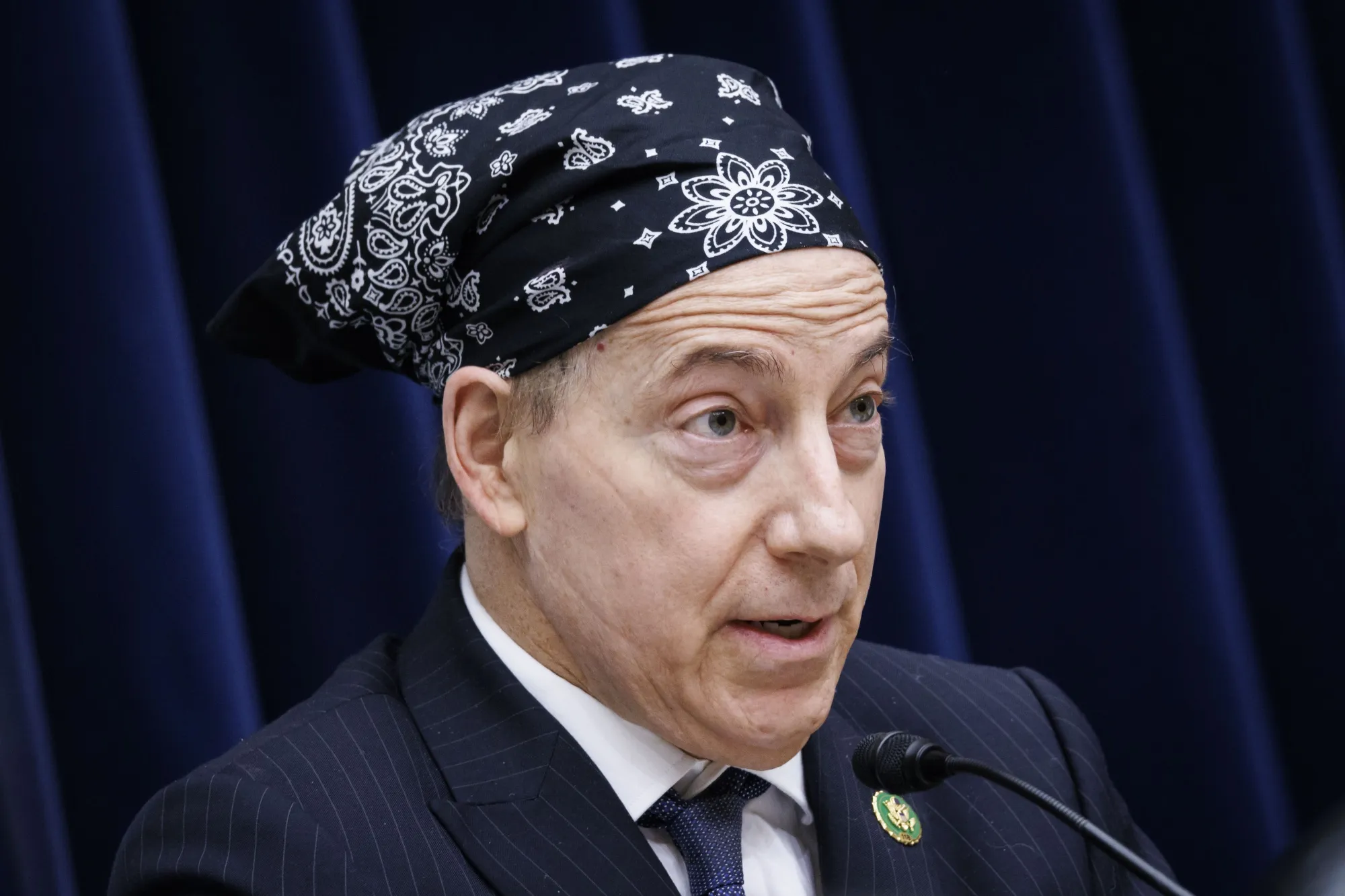
Some nonprofit organizations involved in political advocacy are not required to disclose their contributors in the same way as federal political committees.
That can make the complete funding network difficult for ordinary voters to examine.
The resulting transparency gap became an important target of Raskin’s legislative efforts.
Raskin Moves Beyond Criticism With a Campaign Finance Proposal
On July 22, 2026, Raskin joined Senator Sheldon Whitehouse in introducing legislation addressing foreign influence and campaign finance transparency.
The measure sought to close potential loopholes involving foreign ownership of American corporations and political spending.
Its supporters argued that existing structures could allow foreign interests to exert influence through corporate channels.
The proposal reflected concerns about the interaction between corporate ownership, independent political expenditures, and election integrity.
Raskin and Whitehouse emphasized that American elections should not become vehicles for foreign financial influence.
Their legislation also addressed disclosure requirements and campaign finance safeguards.
The initiative represented a concrete response to the concerns Raskin had repeatedly raised.
Instead of relying exclusively on accusations about billionaires, he supported changes to the rules governing political money.
The proposal also demonstrated that donor influence involves more than straightforward contributions from wealthy individuals.
Corporate ownership can be complicated.
Companies may have investors, subsidiaries, and financial relationships extending across national borders.
Determining whether political spending creates prohibited foreign influence can require examining ownership, decision-making authority, and relevant legal restrictions.
The proposal therefore sought to strengthen the government’s ability to identify potentially problematic activity.
But the existence of a legislative proposal does not establish that every corporation engaging in political spending violates federal law.
Nor does it prove that every wealthy donor exercises improper influence.
The distinction between structural vulnerability and documented misconduct remains important.
Raskin’s argument focused on reducing risks within a system that permits substantial independent political spending.
Supporters of the existing framework emphasize the protections governing political speech and the legal separation between campaigns and independent organizations.
The resulting dispute raises questions about transparency, constitutional rights, and institutional accountability.
But another development would soon make the argument more immediate.
Democrats were preparing to assume greater congressional investigative authority.
And Raskin was beginning to describe the records he wanted preserved.
The November 20 Warning That Could Change the Investigation
On November 20, 2026, Reuters reported that Raskin had warned federal law enforcement agencies to preserve records ahead of anticipated congressional investigations.
The warning came as Democrats prepared to take control of Congress following the November midterm elections.
Raskin was positioned to assume a leading role in House Judiciary Committee oversight when the new Congress convened.
His communication urged agencies to retain relevant records, including electronic messages and communications conducted through digital applications.
He also raised concerns about information that might already have been improperly deleted.
The instruction was significant because electronic communications can provide evidence that public statements and campaign finance summaries do not reveal.
Messages may establish when officials discussed particular decisions, what information they received, and whether outside interests attempted to influence government actions.
However, the existence of communications does not automatically establish misconduct.
Their significance depends on content, context, authenticity, and applicable legal standards.
Reuters reported that Democrats were considering investigations involving Trump’s corporate donors and other businesses connected to the administration.
Potential subjects also included financial firms and law firms whose dealings with the administration had attracted scrutiny.
That expanded agenda raised the stakes for the White House.
A congressional investigation could request documents, examine financial relationships, and question officials about decisions involving private interests.
But it would not begin with a legally established conclusion that donors had purchased government favors.
Investigators would need to determine what the evidence actually showed.
The November 20 development therefore represented a meaningful escalation from political criticism toward possible institutional oversight.
Raskin’s earlier complaints about corporate influence had identified a broad concern.
His new warning focused on preserving records that might allow investigators to examine specific conduct.
That change mattered because documentary evidence can confirm or challenge political allegations.
An authenticated communication might demonstrate that officials considered a particular corporate request.
Additional records would be necessary to determine whether the request influenced a government decision improperly.
The distinction between access, influence, and corruption remains essential.
A corporation meeting with government officials is not automatically engaging in unlawful conduct.
A political donor receiving a policy benefit is not automatically evidence of an illegal exchange.
But relationships involving significant political contributions and government decisions can raise legitimate oversight questions.
Congress has authority to examine those questions within the boundaries of its constitutional responsibilities.
The potential investigation also creates an important test for Raskin.
His criticism has emphasized the danger of wealthy interests receiving preferential treatment.
An effective inquiry would need to establish that concern through reliable documentation rather than assume its conclusions in advance.
For Cruz and other Republican defenders of lower taxes, the challenge is different.
They must explain the economic rationale for their policies and distinguish legislative decisions from unsupported allegations about donor pressure.
Those responsibilities can coexist.
Lawmakers can defend tax reductions while supporting transparency.
Investigators can question financial relationships without treating ordinary political contributions as proof of wrongdoing.
The unresolved question concerns whether the available records will establish conduct beyond the influence already permitted under campaign finance law.
The Question Neither Political Party Can Escape
The argument between Raskin’s criticism and Cruz’s policy defense ultimately concerns two separate forms of accountability.
The first involves the economic consequences of federal legislation.
Tax reductions, spending changes, and investment incentives affect different groups of Americans in different ways.
Evaluating those consequences requires independent analysis of costs, benefits, and distributional effects.
The second involves the political process through which those decisions are made.
Who has access to policymakers?
Who finances organizations attempting to influence elections?
And what information should the public receive about those relationships?
These questions are related, but they cannot be treated as identical.
A tax proposal can disproportionately benefit wealthy households without establishing improper donor influence.
A political contribution can be legally permissible even when critics believe it creates an appearance of favoritism.
And an investigation can reveal questionable practices without necessarily establishing a criminal violation.
Raskin’s statements emphasize the potential dangers of concentrated economic power.
Cruz’s defense emphasizes the economic arguments for reducing taxation and encouraging private investment.
Those positions produce a substantive policy disagreement.
The unverified face-to-face confrontation circulating online adds dramatic accusations without supplying an authenticated exchange.
It does not establish that Raskin publicly confronted Cruz with secret receipts.
Nor does it establish that Cruz admitted improper conduct or was unable to defend his position.
The documented dispute is more complex.
Raskin has criticized Republican tax legislation, promoted campaign finance reforms, and signaled interest in investigating corporate relationships surrounding the administration.
Cruz has defended tax cuts and supported additional proposals intended to reduce the taxation of investment gains.
Federal campaign finance rules allow unlimited donations to independent-expenditure-only political committees while maintaining limits on direct contributions.
Those facts establish the central conflict without requiring an unsupported television showdown.
The November 20 preservation warning introduced the most significant recent development.
It created the possibility that congressional investigators would seek evidence concerning specific relationships rather than argue exclusively about the general influence of billionaires.
That evidence could clarify whether particular government decisions involved improper conduct.
It could also demonstrate that disputed decisions were made through lawful processes consistent with officials’ stated policy positions.
Either conclusion would depend on the records.
The broader debate over political money will continue regardless of the findings of any single investigation.
Large donors possess resources that ordinary voters generally cannot match.
At the same time, constitutional protections governing political expression place important limits on how government can regulate independent advocacy.
That tension has shaped American campaign finance law for decades.
Raskin’s reform proposals seek to strengthen transparency and reduce vulnerabilities involving corporate and foreign political influence.
Cruz’s policy agenda emphasizes lower taxation and economic incentives that he argues can benefit businesses and families.
The differences are substantial.
But the most important unanswered question concerns what connects financial support to official decision-making in particular cases.
Following the money can identify donors, expenditures, and financial relationships.
It cannot establish an unlawful exchange unless the evidence supports that conclusion.
Likewise, defending a policy’s economic rationale does not eliminate the need to examine potentially improper influence.
As Congress prepares for expanded investigations, both principles will matter.
The most consequential development will not be another dramatic accusation or a viral claim about a politician’s reaction.
It will be the documentary record showing what officials knew, who communicated with them, and how significant decisions were made.
The central question is whether Washington’s financial relationships merely reflect political support or reveal specific instances in which private interests improperly shaped public decisions.
That question deserves scrutiny because the answers could influence public confidence in federal institutions.
And the November 20 warning suggests that lawmakers are preparing to pursue those answers through congressional oversight.
The controversy began with accusations about billionaires, tax breaks, and the political influence of wealthy donors.
It now points toward something more concrete.
The preservation of records that could support, complicate, or undermine those accusations.
For Raskin, the challenge is to demonstrate his concerns through credible evidence.
For Cruz and other defenders of Republican tax policies, the challenge is to explain their proposals and respond to legitimate questions about the political process.
For the public, the issue is not which politician delivers the most memorable accusation.
It is whether the government’s decisions can be examined transparently and defended through evidence.
The money trail may reveal relationships worth investigating.
But only the records can establish what those relationships actually mean.
