
John Kennedy and Ilhan Omar: The Minnesota Fraud Debate That Put Border Policy and Political Accountability Under Scrutiny
The debate over immigration, government oversight and alleged misuse of public funds has become increasingly contentious in Washington, with Senator John Kennedy of Louisiana emerging as one of the Republican lawmakers demanding tougher scrutiny of Minnesota’s fraud investigations. Representative Ilhan Omar, a Democrat from Minnesota, has also become a prominent figure in the wider political dispute. Although viral posts have portrayed the two lawmakers as engaging in a dramatic face-to-face confrontation, the documented record tells a more complicated story.
The controversy intensified following revelations of extensive fraud involving publicly funded social-service programs in Minnesota. Kennedy addressed the issue directly on the Senate floor on December 4, 2025, criticizing what he described as a scheme involving more than $1 billion in taxpayer money. His remarks focused on the scale of the alleged theft, the responsibility of government agencies and the need to prevent public funds from being diverted through fraudulent claims.
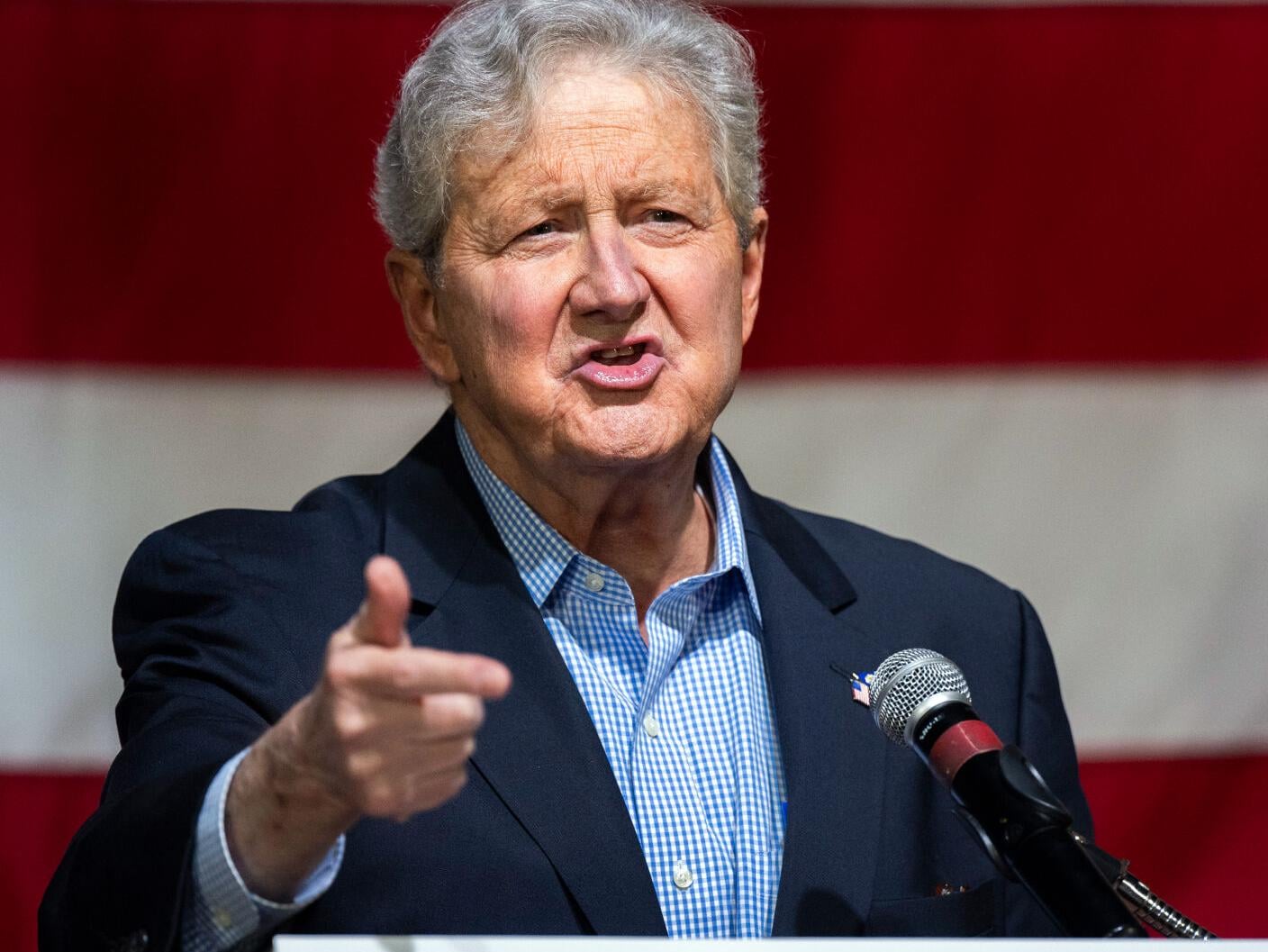
Kennedy also referred to the Somali community in Minnesota, a subject that quickly became politically sensitive. He said his criticism was directed at the fraud rather than the community as a whole. Nevertheless, his remarks connected the scandal to questions of assimilation, immigration and respect for American taxpayers, drawing attention to the relationship between individual criminal conduct and the broader communities in which it occurs.
That distinction is particularly important. Criminal investigations must establish the responsibility of specific individuals and organizations through evidence. The nationality, ethnicity or religious background of people associated with a fraud investigation cannot establish collective guilt. At the same time, the existence of a large public-funds scandal raises legitimate questions about whether government agencies had adequate safeguards, whether warning signs were ignored and whether officials responded quickly enough.
The Senate returned to these issues on February 10, 2026, when the Subcommittee on Border Security and Immigration held a hearing titled “Somali Fraud in Minnesota – The Tip of the Iceberg.” Chaired by Senator John Cornyn, the hearing examined the Minnesota fraud controversy and its implications for public accountability and immigration policy.
Kennedy participated in the broader congressional examination, questioning witnesses about government oversight, immigration and the consequences of fraud. The witness list included representatives from the Government Accountability Office, immigration-policy organizations and other policy experts. Ilhan Omar was not listed as a witness at that hearing, and the official record does not establish the dramatic direct confrontation described in viral social-media posts.
Nevertheless, Omar’s political position has made her a recurring subject in the controversy. As a representative of Minnesota’s Fifth Congressional District, she has been drawn into Republican criticism of Democratic leadership and the state’s handling of public programs. Her opponents have questioned the political response to the scandal, while her defenders have warned against using criminal allegations involving particular individuals to cast suspicion on an entire immigrant community.
The difference between political criticism and established evidence matters. Public officials can be questioned about their statements, policy positions and oversight responsibilities. But accusations of criminal involvement require specific evidence, not association, political disagreement or assumptions based on a person’s background. The available public material surrounding Kennedy’s December remarks does not establish that Omar personally participated in the alleged fraud.
The broader policy dispute extends beyond Minnesota. Republicans have increasingly connected welfare-fraud investigations to debates about immigration enforcement, public-benefit eligibility and the responsibilities of federal and state agencies. They argue that stronger verification systems and more effective coordination are necessary to protect taxpayer money. Democrats and immigration advocates, meanwhile, have emphasized that enforcement must distinguish between individuals suspected of wrongdoing and lawful residents or citizens who share an ethnic or national background with those under investigation.
The February hearing brought these disagreements into a formal congressional setting. Lawmakers had an opportunity to question specialists about the scale of the fraud, the effectiveness of existing oversight and the relationship between immigration policy and public-program administration. Those discussions offered a more substantial basis for evaluating government performance than viral descriptions of an alleged personal showdown.
For Kennedy, the central issue has been the protection of taxpayer funds and the responsibility of public institutions to prevent fraud. His questioning style and pointed public statements have helped bring attention to the issue, but the effectiveness of any proposed response ultimately depends on the quality of the evidence and the practical details of legislation and enforcement.
For Omar, the controversy presents a different challenge. She must navigate criticism directed at her political record while representing a district with a significant Somali American population. Debate over fraud and government accountability can be legitimate, but political rhetoric that blurs the distinction between individual suspects and an entire community risks turning a question of public administration into a broader dispute over identity and belonging.
The issue also raises questions about the responsibilities of lawmakers who oversee agencies administering public funds. When fraud reaches a substantial scale, the public has a reasonable interest in knowing whether oversight systems failed, whether officials received warnings and whether corrective measures were implemented. Those questions should be directed at the institutions and individuals with relevant responsibilities, rather than answered through assumptions about political affiliation.
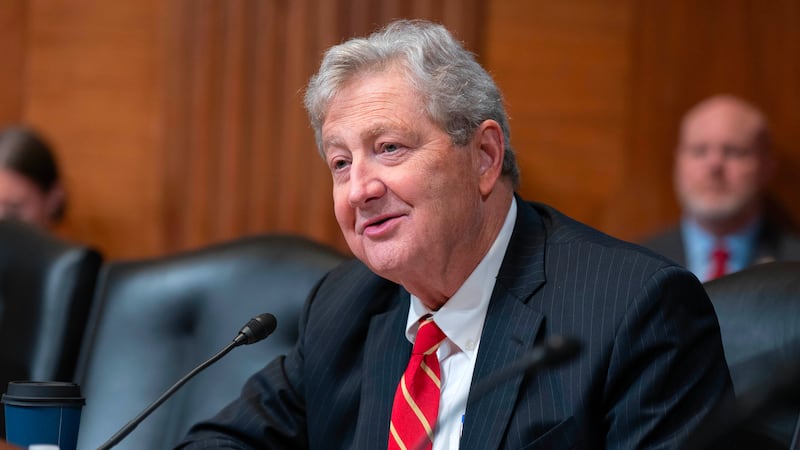
The viral portrayal of Kennedy leaning toward his microphone and delivering an unscripted line that supposedly silenced Omar may be compelling social-media storytelling, but it should not be confused with a verified congressional event. No authenticated transcript or official recording identified in the available material establishes that scene or the alleged exchange.
What is documented is already significant: a major Minnesota fraud controversy, Kennedy’s public criticism, a Senate hearing focused on the issue and an ongoing political disagreement over immigration, public spending and government oversight. These developments deserve attention because they involve public resources and the responsibilities of elected officials.
Ultimately, the most important question is not whether one lawmaker delivered a memorable insult to another. It is whether the government can identify fraud, recover misused funds where legally possible, hold responsible individuals accountable and strengthen the systems intended to protect taxpayers. That standard should apply consistently, regardless of political party, immigration background or public office.
