
“FACTS OVER FEELINGS!”: M@rco Rubi0 Fires Back at R0sa DeLaur0 in a Brutal Capitol Hill Showdown — Until His Six-Word Question Changes Everything…
WASHINGTON, D.C. — Secretary of State M@rco Rubi0 faced Representative R0sa DeLaur0 across a crowded congressional hearing room, where a furious dispute over American foreign aid threatened to overwhelm the proceedings.
DeLauro had come prepared to challenge the Trump administration’s sweeping changes to foreign assistance programs.
She accused the administration of putting vulnerable populations at risk while undermining Congress’s authority over federal spending.
Rubio listened without interrupting.
When DeLauro finished, he adjusted his microphone and opened a folder containing budget comparisons, program evaluations, and congressional appropriations records.
He didn’t begin with an insult.
He began with a distinction that DeLauro’s argument had largely overlooked.
“Congresswoman, an appropriation tells us what Congress authorized. It doesn’t automatically prove every dollar was spent effectively.”
Several lawmakers turned toward the secretary.
DeLauro leaned forward, preparing to challenge his interpretation.
But Rubio was already pointing toward another figure on the page.
And the final question waiting inside that folder would expose a disagreement neither side could dismiss with another rehearsed political speech.
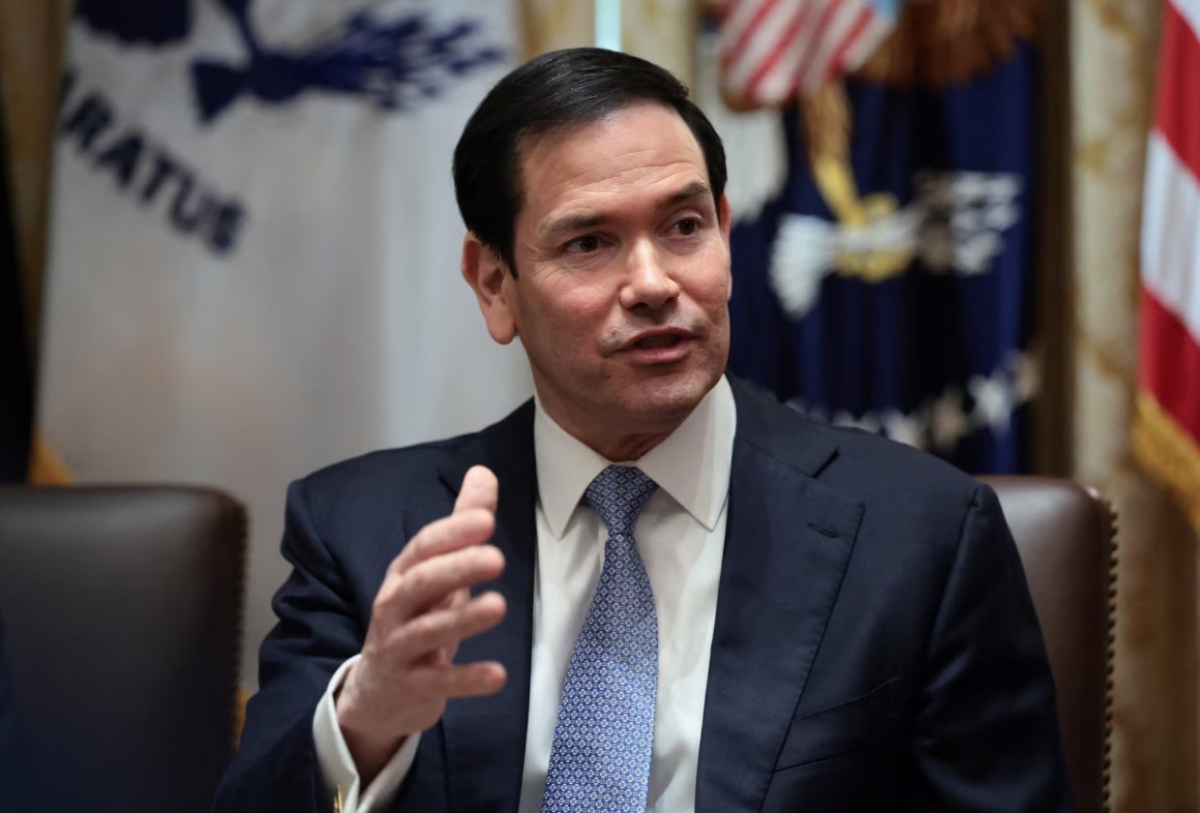
DeLauro Opens With a Fierce Accusation
The hearing concerned the State Department’s budget and the administration’s proposed restructuring of American foreign assistance.
DeLauro argued that abruptly reducing funding could damage diplomatic relationships, interrupt medical programs, and weaken America’s influence in strategically important regions.
“Mr. Secretary, these aren’t abstract numbers,” she declared.
“These are programs involving children, families, disease prevention, humanitarian assistance, and America’s credibility around the world.”
She warned that reducing foreign aid without a transparent transition could leave communities dependent on assistance facing devastating uncertainty.
Rubio maintained eye contact as she continued.
DeLauro challenged the administration’s reliance on government-efficiency arguments, suggesting that officials were treating essential humanitarian programs as disposable expenses.
“Congress authorized this funding because these commitments matter,” she said.
“You cannot simply replace congressional judgment with a political slogan about cutting waste.”
Rubio nodded slightly.
Then DeLauro offered her central accusation.
“The administration is destroying programs before demonstrating that those programs failed.”
The room became quiet.
Rubio waited for the chairman to recognize him before responding.
“Congresswoman, I agree that American assistance can save lives,” he began.
“But you just made an argument that needs a much more careful examination.”
DeLauro immediately interrupted.
“Are you denying that programs have been disrupted?”
“No,” Rubio replied.
“I’m asking whether you believe every existing funding arrangement should continue without an independent assessment of its effectiveness.”
DeLauro rejected the implication.
“That’s not what I said.”
“Then we’re going to need to distinguish the programs from the mechanisms used to administer them.”
Rubio opened his folder.
The disagreement was about to become significantly more specific.

Rubio Brings the Budget Documents Into the Fight
Rubio placed three documents beside his prepared testimony.
The first summarized appropriations approved by Congress.
The second outlined the administration’s proposed changes to foreign assistance management.
The third presented a framework for evaluating humanitarian programs based on outcomes, costs, and strategic importance.
“Let’s begin with something fundamental,” Rubio said.
“Congress appropriates funds, and the executive branch must operate within the law.”
DeLauro nodded.
“Then you acknowledge Congress controls the purse strings.”
“Absolutely,” Rubio answered.
“But congressional authority and program effectiveness are two different questions.”
He pointed toward the evaluation framework.
“A program might have a legitimate humanitarian purpose and still suffer from administrative problems.”
“That doesn’t mean you abandon the people depending on it,” DeLauro replied.
“Correct,” Rubio said.
“Which is why the evaluation must consider what happens to those people during any transition.”
He paused before continuing.
“Now suppose two programs pursue the same objective.”
“One delivers assistance directly through established local partners.”
“The other spends considerably more on administration while reaching fewer intended beneficiaries.”
“Should Congress examine that difference?”
“Of course,” DeLauro answered.
“Then identifying waste is not inherently an attack on humanitarian assistance.”
DeLauro shook her head.
“Nobody is defending waste, Mr. Secretary.”
Rubio turned another page.
“Then let’s stop treating every proposed change as proof that someone wants vulnerable people to suffer.”
The comment sharpened the confrontation.
Rubio had challenged the assumption that criticism of a funding system necessarily meant hostility toward the people it served.
But DeLauro was not prepared to concede the larger argument.
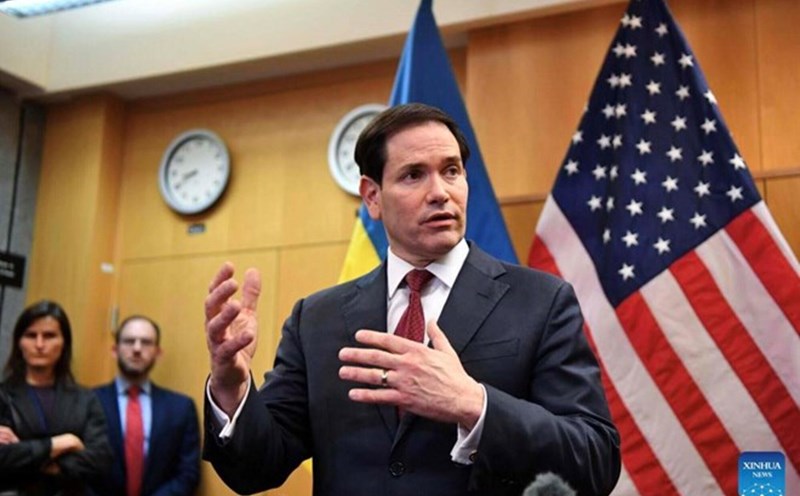
DeLauro Pushes Back With the Constitutional Question
DeLauro leaned toward her microphone.
“Secretary Rubio, you’re describing an ideal review process.”
“My concern is what happens when the administration changes programs before Congress receives adequate information.”
Rubio acknowledged the distinction.
“That’s a legitimate oversight question.”
“Then answer it,” DeLauro demanded.
“Who decides which programs remain operational when Congress has already provided funding?”
Rubio straightened the documents.
“That depends on the applicable statute, the terms of the appropriation, and the authority granted to executive officials.”
DeLauro pressed further.
“So the administration cannot simply disregard congressional instructions?”
“No administration has unlimited authority to disregard the law,” Rubio answered.
“But Congress also assigns executive agencies responsibilities involving implementation and management.”
He emphasized that legal obligations could differ among programs, contracts, grants, and discretionary funding arrangements.
DeLauro argued that procedural distinctions could not become excuses for withholding information.
Rubio agreed that the department should explain significant changes affecting congressionally funded activities.
But he resisted her broader implication that the existence of an appropriation established the wisdom of every administrative arrangement.
“Congresswoman, oversight should examine both legal compliance and actual results.”
“Those are not competing responsibilities.”
DeLauro responded immediately.
“They become competing responsibilities when the administration refuses to provide complete information.”
Rubio paused.
“Then we should identify precisely which information is missing.”
He pushed the third document toward the center of the table.
It contained the question that would drive the remainder of the exchange.
The Overlooked Detail Changes the Entire Argument
The document outlined a proposed reporting standard for evaluating changes to foreign assistance programs.
It required officials to identify each affected program, its legal funding authority, the assistance delivered, and the expected consequences of modification.
It also included a separate requirement for documenting humanitarian risks during any transition.
DeLauro studied the outline.
“Where are the safeguards for people whose services have already been disrupted?”
Rubio pointed to the second section.
“Right here.”
He described a requirement for identifying urgent humanitarian obligations before determining whether a program could be restructured.
The process would also require officials to explain how essential services would continue when an existing funding arrangement changed.
DeLauro remained skeptical.
“That sounds reasonable on paper.”
“But where is the evidence that those safeguards are being followed?”
Rubio accepted the challenge.
“That’s exactly the sort of evidence Congress should demand.”
Then he turned the question toward her.
“But the same standard should apply when a program claims success.”
DeLauro frowned.
“Explain what you mean.”
“If an organization reports that it spent its entire appropriation, is that proof it achieved its objectives?”
“No,” DeLauro replied.
“Then spending the money isn’t enough.”
“Nobody said it was.”
Rubio continued.
“If a program reports thousands of beneficiaries, should we verify those figures?”
“Yes.”
“If it reports improved health outcomes, should we examine how those outcomes were measured?”
“Certainly.”
“And if independent evaluations identify serious administrative weaknesses, should those findings influence future funding decisions?”
DeLauro hesitated.
“Provided that evaluations are credible and Congress has the opportunity to examine them.”
Rubio nodded.
“Then the real disagreement concerns how those decisions are made, not whether accountability is necessary.”
For the first time, the discussion had produced a specific framework rather than another exchange of accusations.
But DeLauro spotted a weakness.
A Final Challenge Forces Rubio to Defend His Own Standard
DeLauro returned to the reporting framework.
“Mr. Secretary, your proposal requires independent evaluations.”
“Who selects the evaluators?”
Rubio answered that credible reviews would require appropriate independence, transparent methods, and access to reliable program information.
DeLauro pressed him.
“Would Congress receive those findings before significant funding decisions take effect?”
Rubio acknowledged that the timing would depend on legal requirements and the urgency of the proposed action.
“That’s exactly where the problem begins,” DeLauro replied.
“An evaluation becomes meaningless if Congress receives it after the consequences are irreversible.”
The criticism complicated Rubio’s earlier argument.
He had demanded measurable outcomes from foreign assistance programs.
Now DeLauro was demanding measurable accountability from the officials evaluating those programs.
Rubio considered the question.
“Then let’s make the distinction explicit.”
He proposed separating urgent operational decisions from permanent program cancellations.
Emergency decisions would require prompt notification, while major structural changes would receive more extensive review.
DeLauro suggested adding written explanations for any action that significantly affected essential humanitarian services.
Rubio accepted that such explanations could improve oversight, provided the requirements complied with applicable law.
The chairman reminded both participants that their time was running short.
DeLauro returned to her original concern.
“Secretary Rubio, families cannot survive on promises of future reports.”
Rubio answered without raising his voice.
“And taxpayers cannot evaluate government performance through emotional assurances alone.”
The exchange drew attention across the hearing room.
DeLauro demanded proof that vulnerable populations would remain protected.
Rubio demanded proof that existing arrangements represented the most effective way to provide that protection.
Neither question could be answered solely through political rhetoric.
Rubio closed the folder, then reopened it to the reporting framework.
He had one final challenge.
Six Words Deliver the Hearing’s Decisive Turning Point
With the chairman preparing to end the exchange, Rubio summarized the distinction he had been developing.
“Congresswoman, we both recognize that foreign assistance can serve important humanitarian and national security purposes.”
“But every program requires legal authority, measurable objectives, responsible management, and credible evidence about its results.”
DeLauro prepared to respond.
Rubio continued.
“If we’re going to protect essential assistance, we need to know which mechanisms actually deliver it.”
DeLauro interrupted.
“And we need to know whether your changes are harming the people those programs were established to help.”
“Agreed,” Rubio said.
“But neither of us should assume the answer before examining the evidence.”
He placed his finger beside the final reporting requirement.
Then he asked the six-word question.
“Where is your evidence of effectiveness?”
DeLauro looked toward the document.
She did not immediately answer.
The question required more than defending the humanitarian purpose of foreign assistance.
It required identifying specific evidence that existing programs achieved their objectives efficiently and consistently.
Yet DeLauro’s earlier challenge had exposed an equally demanding obligation.
The administration also needed evidence demonstrating that proposed changes would preserve essential services and comply with congressional funding requirements.
After a moment, DeLauro responded.
“Then provide Congress with the records necessary to evaluate both.”
Rubio nodded.
“That’s the standard.”
The chairman brought the exchange to a close.
No final determination about the administration’s proposals emerged from the discussion.
But the argument had produced a concrete accountability test.
Existing foreign assistance programs would need credible evaluations documenting their results.
Proposed restructuring measures would need legal justification, transparent financial explanations, and assessments of their humanitarian consequences.
The distinction mattered because neither the continuation nor the cancellation of a program automatically established responsible government.
Rubio’s final question challenged DeLauro to defend effectiveness with evidence rather than relying solely on humanitarian intentions.
DeLauro’s response challenged Rubio to demonstrate that reform decisions met those same evidentiary standards.
Their disagreement remained substantial.
One emphasized the danger of disrupting essential assistance.
The other emphasized the danger of preserving ineffective arrangements without adequate scrutiny.
But the final exchange revealed the standard both arguments would have to confront.
Good intentions could not substitute for measurable results.
Claims of efficiency could not substitute for lawful implementation.
And political confidence, however forcefully expressed, could not replace the documents necessary to determine what government action actually accomplished.
As the hearing ended, Rubio’s six-word question remained central to the dispute.
It had shifted attention from competing accusations toward the evidence required to evaluate them.
The ultimate consequence would depend on whether Congress and the administration subjected their competing claims to the same scrutiny.
Because in a serious debate about American foreign policy, the most consequential answer is rarely the loudest.
It is the one the evidence can sustain.
