
Nancy Mace and Alejandro Mayorkas: The Congressional Accountability Fight Behind the Viral Hearing Claim
A viral political narrative describes Representative Nancy Mace confronting Homeland Security Secretary Alejandro Mayorkas with internal documents, a detailed timeline and his own past communications, supposedly forcing him to answer for the consequences of the Biden administration’s border policies. The story presents the encounter as a dramatic congressional takedown. However, the available official records do not establish that the confrontation happened as described.
What is documented is a prolonged and increasingly contentious dispute between House Republicans and the Department of Homeland Security over immigration enforcement, border security, departmental transparency and the secretary’s responsibility for federal policy.
During Alejandro Mayorkas’ tenure as Homeland Security secretary, the southern border became one of the most contentious issues in American politics. Republican lawmakers repeatedly accused the administration of failing to enforce immigration laws, allowing the situation at the border to deteriorate and withholding information requested by congressional investigators.
Mayorkas and the Biden administration disputed those accusations, arguing that immigration pressures were driven by multiple factors and that meaningful solutions required legislation, additional resources and cooperation from Congress. The disagreement developed into a broader institutional conflict over the limits of executive authority and the responsibility of the legislative branch to oversee federal agencies.
By 2023, Republican-controlled congressional committees had begun a series of investigations into the department’s handling of the border. Lawmakers requested internal communications, policy documents, interviews with senior officials and information about the administration’s immigration decisions.
The House Judiciary Committee held an oversight hearing featuring Mayorkas on July 26, 2023. The official hearing record includes his testimony and questions from lawmakers about the department’s policies and operations. The proceeding reflected the growing political pressure surrounding the administration’s border strategy, although it does not establish the specific Nancy Mace confrontation described in the viral caption.
A separate investigation was conducted by the House Committee on Homeland Security under Chairman Mark Green. The committee published interim reports examining what Republicans characterized as failures in border enforcement, the influence of criminal organizations, the humanitarian consequences of migration and the financial costs associated with the crisis.

Republican investigators argued that the department had not adequately answered congressional questions. Their reports cited correspondence, requests for documents and interviews with Border Patrol officials. The committee said it had sent more than 50 letters seeking information and that numerous requests remained partially or completely unanswered.
The department’s cooperation with the investigation became a major point of contention. In January 2024, Chairman Green announced another hearing as part of the committee’s impeachment proceedings against Mayorkas. The January 10 hearing, titled “Havoc in the Heartland: How Secretary Mayorkas’ Failed Leadership Has Impacted the States,” featured several state attorneys general and a law professor.
Mayorkas was not among the witnesses. The committee subsequently stated that the secretary had declined repeated invitations to testify specifically about the border crisis. On January 17, Green offered him an opportunity to submit written testimony following his refusal to appear in person at the committee’s requested hearing.
The dispute over testimony became part of the Republican case for impeachment. Committee members argued that the secretary’s responses to oversight requests demonstrated a lack of transparency and accountability. Mayorkas, meanwhile, rejected the accusations and maintained that the department had cooperated with congressional oversight while carrying out its legal responsibilities.
The controversy also involved questions about the secretary’s communications and departmental recordkeeping. In July 2023, Republican senators led by Roger Marshall of Kansas questioned Mayorkas about allegations that he had used a personal email account for official business. Mayorkas denied mishandling work-related emails. That inquiry was separate from the House Homeland Security Committee’s impeachment investigation and should not be confused with a documented Nancy Mace courtroom-style confrontation.

The House impeachment process reached a historic milestone in February 2024. The House approved two articles of impeachment against Mayorkas, accusing him of willfully refusing to comply with immigration laws and breaching the public trust. The vote made him the first sitting Cabinet secretary impeached in nearly 150 years.
The outcome was sharply disputed along party lines. Republicans argued that the administration’s border policies represented a serious failure of executive responsibility. Democrats countered that the allegations amounted to a disagreement over policy rather than conduct meeting the constitutional threshold for impeachment.
In April 2024, House Republicans delivered the articles of impeachment to the Senate. The Senate ultimately rejected the effort to proceed with a full trial, with Democratic lawmakers arguing that the charges did not constitute impeachable offenses under the Constitution.
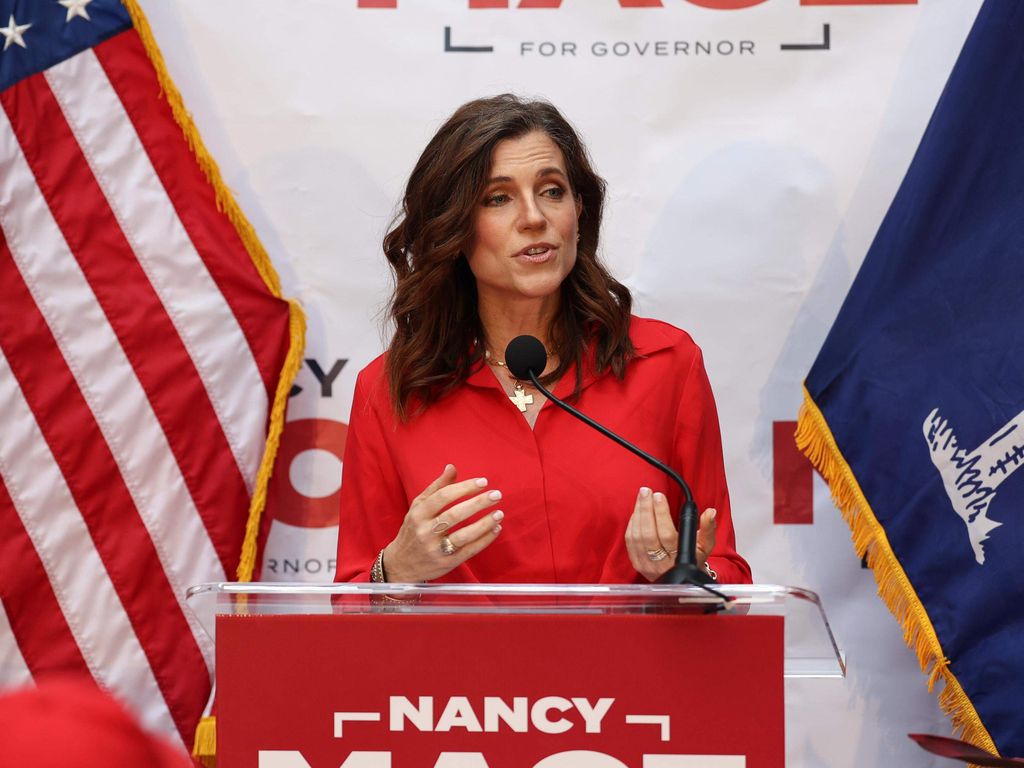
Nancy Mace has built a national profile through her participation in congressional investigations and her criticism of federal agencies. She has frequently used committee hearings to question government officials about transparency, public spending and institutional accountability. Her confrontation with Secret Service Director Kimberly Cheatle in July 2024, following the assassination attempt against Donald Trump, was one of her most widely reported exchanges.
That documented episode may help explain why online posts sometimes associate Mace with dramatic congressional questioning. But it does not provide evidence that she conducted the particular interrogation of Mayorkas described in the viral story.
The broader questions surrounding DHS oversight remain significant. Congress has the responsibility to examine how federal agencies use public resources, implement immigration policy and respond to legal requirements. Cabinet officials, in turn, are expected to explain their decisions and provide information within the framework of congressional oversight.
At the same time, political accusations must be distinguished from established findings. A committee report reflects the conclusions of the lawmakers who produced it; it is not automatically an independent judicial determination. Likewise, an allegation involving internal emails or departmental communications requires supporting records and an opportunity for the individuals concerned to respond.
The Mayorkas controversy illustrates how immigration policy became intertwined with a larger dispute over executive authority and congressional accountability. Republicans treated the department’s handling of the border as evidence of serious administrative failures, while Democrats argued that impeachment was being used to punish policy disagreements.
The viral claim of Nancy Mace presenting a decisive timeline and confronting Mayorkas with his own emails remains unverified. The documented record, however, contains a substantial political and institutional conflict: months of oversight requests, disputes over access to information, competing interpretations of border policy and an unprecedented impeachment of a sitting Cabinet secretary.
Those developments provide a more reliable account of the controversy than an alleged dramatic exchange for which no authenticated transcript or corresponding hearing record has been established.
