
“Our Hearts Are With Chip Roy”: A Moment of Reflection for the Texas Congressman and His Family
In American politics, public attention often follows the loudest arguments, the sharpest exchanges and the latest political controversies. But sometimes, a different kind of story emerges — one that reminds people that behind every elected official is a family, a personal life and a human experience that extends far beyond Washington.
Congressman Chip Roy has spent years building a political identity around conservative principles, fiscal responsibility and his commitment to representing Texas. His outspoken positions have made him a recognizable figure within the Republican Party, but recent developments have also brought renewed attention to the personal and political challenges surrounding his next chapter.
A message circulating online has claimed that the conservative community recently united in an emotional expression of support for Roy and his family, accompanied by the words, “Our hearts are broken.” The wording has prompted curiosity and concern among followers. However, no verified announcement from Roy or his official office has established that his family has experienced a tragedy or that the alleged emotional update was issued.

What is documented is that Roy has been navigating a significant political transition. Following the 2026 midterm elections, he is preparing to leave Congress after losing the Republican runoff in the race for Texas attorney general. His departure marks the end of an important period in his career in the House of Representatives.
Roy has never been a politician who avoided difficult conversations. Throughout his congressional service, he has frequently challenged his own party over government spending, federal debt and what he considers a failure to prioritize ordinary Americans. His willingness to criticize Republican leadership has sometimes placed him at odds with members of his own political establishment.
That approach was particularly visible in November 2026, when Roy spoke on the House floor alongside Representative David Schweikert. Their discussion focused on the country’s fiscal direction, the growing burden of government debt and the political consequences of failing to make difficult spending decisions.
Roy argued that elected officials had a responsibility to put the interests of the public ahead of their own political survival. He warned that continued reliance on government spending to maintain political support could leave future generations facing serious financial consequences.
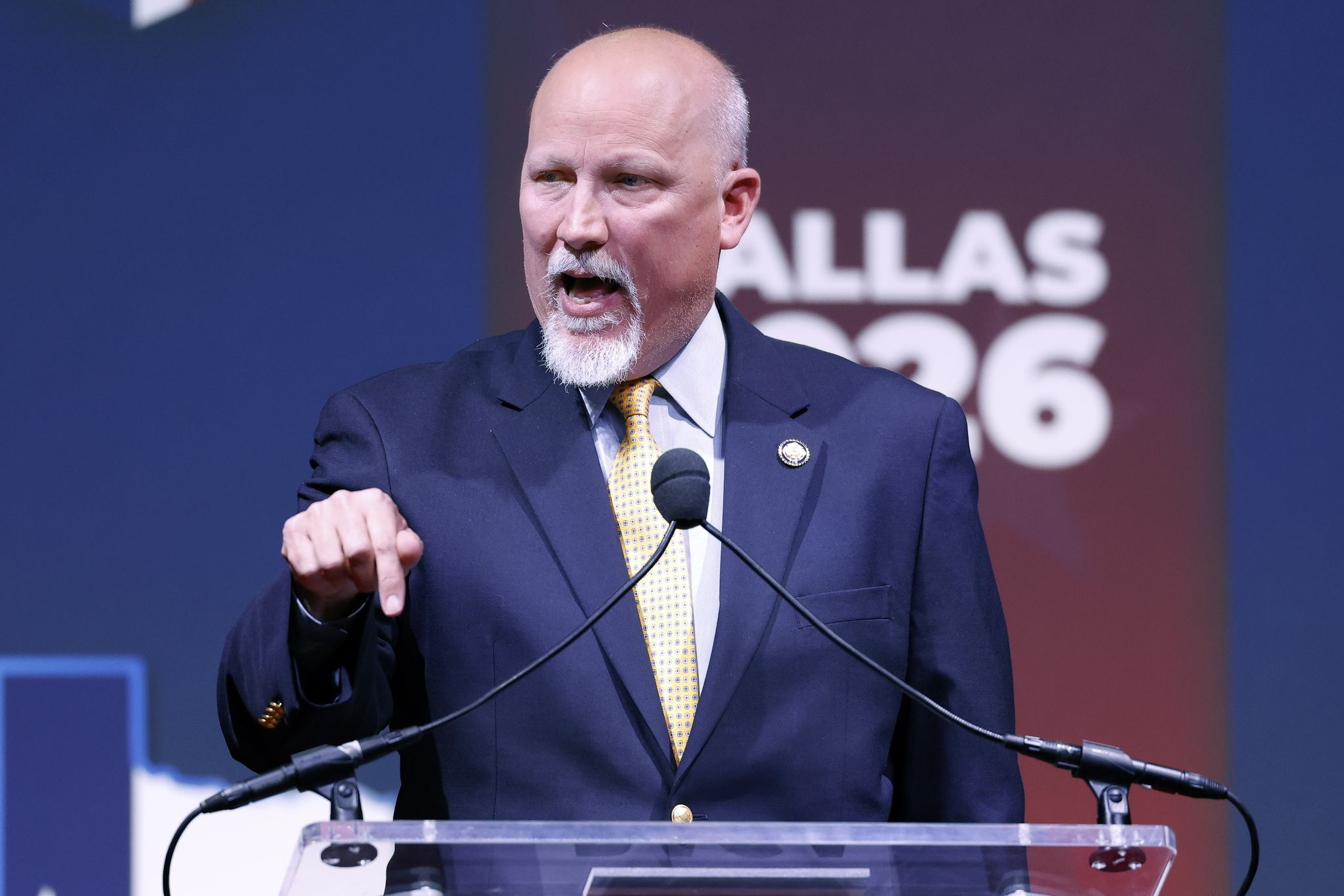
Yet his remarks did not end on a purely political note. As the discussion concluded, Roy offered a message of faith and optimism, saying, “God is good.” He spoke about the importance of sacrifice, the responsibility of leadership and his belief that a new generation could help address the problems inherited from previous generations.
The exchange offered a glimpse of the principles that have shaped his public career. For Roy, political service has often been presented as a responsibility rather than simply a route to influence. His arguments about government spending and constitutional duties have consistently reflected that outlook.
The political environment surrounding his departure is also significant. Republicans suffered major setbacks in the 2026 midterm elections, prompting internal debates about the party’s priorities, campaign strategy and relationship with voters. Roy has been among the conservatives publicly questioning whether Republican leaders have focused too heavily on political power and not enough on the concerns of ordinary Americans.
His criticism has attracted attention from conservative commentators and political organizations, particularly those concerned about government accountability and the future direction of the Republican Party.
For supporters who have followed his career, the end of his congressional service may therefore carry a personal significance. Political disagreements aside, a departure from public office represents a major change for any elected official and the people closest to them. Years of campaigning, public scrutiny and demanding responsibilities inevitably shape family life in ways that rarely appear in official statements.
That is one reason emotional messages about public figures can spread so quickly online. Supporters often want to express solidarity when a politician they admire faces uncertainty or a difficult transition. But expressions of sympathy should not be confused with confirmation of a personal tragedy, particularly when no reliable announcement has been made.
Roy’s political future remains an important subject of discussion, but the broader significance of his departure extends beyond one election result. It raises questions about the future of the conservative movement, the role of fiscal responsibility in Republican politics and whether the next generation of leaders will approach public service differently.
For now, the most clearly documented message from Roy’s recent public remarks is one of faith, perseverance and responsibility. His words on the House floor reflected a belief that political setbacks do not necessarily end a person’s ability to contribute to public life.
And while the emotional claim circulating online remains unverified, the interest surrounding Roy and his family highlights something that political headlines often overlook: public service affects more than the person standing behind the microphone.
As Chip Roy prepares for life beyond Congress, supporters and critics alike will be watching to see what comes next. Whatever direction his next chapter takes, his years in Washington have left him at the center of an ongoing debate about leadership, accountability and the future of American conservatism.
