
Sheldon Whitehouse Challenges Todd Blanche at Senate Hearing: The DOJ Accountability Fight Behind a Viral Political Claim
A high-stakes Senate confirmation hearing placed Acting Attorney General Todd Blanche under intense scrutiny as Senator Sheldon Whitehouse questioned the Justice Department’s handling of politically sensitive investigations, unanswered oversight requests and a controversial agreement involving President Donald Trump. The exchange was substantive and confrontational, but a viral account has added an entirely separate character to the story: Representative Chip Roy.
The hearing took place on July 15, 2026, before the Senate Judiciary Committee, as Blanche faced questions about his nomination to become the permanent attorney general. Democrats raised concerns about his previous role as Trump’s personal attorney, the independence of the Justice Department and decisions made during his tenure as deputy and acting attorney general.
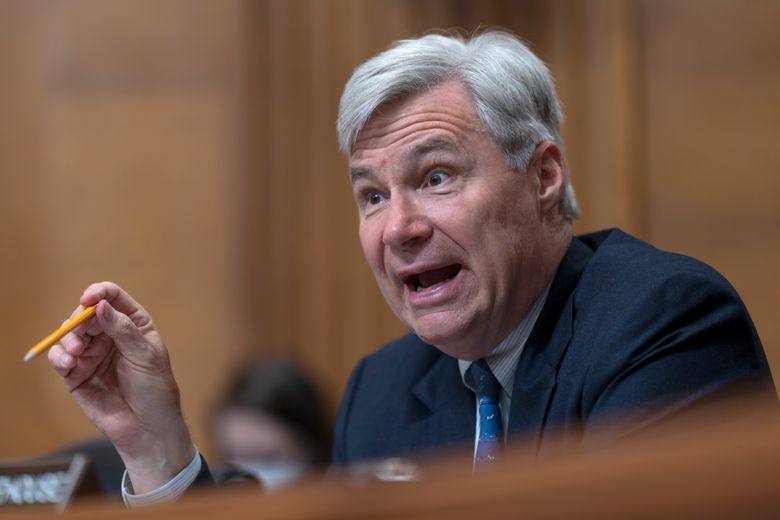
Whitehouse, a Democrat from Rhode Island and a senior member of the committee, approached the hearing with a series of documented concerns. In the days before Blanche appeared, he had publicly released a letter listing dozens of outstanding oversight requests to the Justice Department. Those requests concerned matters including the department’s handling of Jeffrey Epstein-related records, FBI Director Kash Patel’s use of private aircraft and questions about whether federal law enforcement was being influenced by the president’s political interests.
Whitehouse argued that the department had failed to provide meaningful answers to congressional inquiries. He also criticized the administration for requiring lawmakers to resort to Freedom of Information Act requests to obtain information that, in his view, should have been provided through ordinary congressional oversight.
During the hearing, Whitehouse brought the dispute directly to Blanche. He presented stacks of unanswered oversight questions and FOIA requests, challenging the nominee to demonstrate that he understood the constitutional responsibilities of the Justice Department toward Congress.
The senator’s questioning then turned to a particularly controversial legal dispute involving Trump’s lawsuit against the Internal Revenue Service. The case concerned the unauthorized disclosure of Trump’s tax information and a proposed settlement that included a $1.776 billion Anti-Weaponization Fund intended to compensate individuals who claimed they had been unfairly targeted by federal agencies.
The proposed fund generated bipartisan criticism. Blanche told lawmakers that it was no longer moving forward, but questions remained about whether the arrangement had been formally and legally terminated. Republican Senator John Cornyn also pressed Blanche on whether the president had agreed in writing to eliminate the fund.
The settlement contained another contentious provision concerning protection from certain tax audits involving Trump and members of his family. Lawmakers questioned how the agreement had been negotiated and whether the Justice Department had adequately protected the government’s interests.
Whitehouse cited a federal judge’s findings concerning the department’s conduct in the litigation. He argued that the Justice Department had failed to defend the interests of the United States and had avoided meaningful participation in proceedings that raised serious questions about the settlement.
Blanche disputed aspects of Whitehouse’s characterization and said he was not aware of communications between the Justice Department and the plaintiffs’ lawyers. He agreed to examine requests for relevant documents. The exchange highlighted a fundamental disagreement over the department’s responsibilities, the settlement’s legal implications and the extent to which congressional investigators should receive access to internal records.
Whitehouse also raised questions about a reported $50,000 payment involving Tom Homan, the White House border czar. The senator referred to public reporting that the FBI had provided the money in connection with an investigation and asked Blanche what had happened to it. Blanche said he was not familiar with the matter and was unaware that the reported payment had occurred as Whitehouse described it.
The senator urged him to examine the issue, presenting it as another example of questions that had not received satisfactory answers from the department.
Later in the exchange, Whitehouse returned to the broader question of judicial criticism of the Justice Department. He cited findings from federal judges and displayed material highlighting language used in court decisions concerning government conduct. His argument was that repeated judicial criticism should prompt serious internal examination and accountability within the department.
He asked Blanche whether he could assure the committee that such problems would stop if he were confirmed as attorney general. Blanche’s responses formed part of a wider hearing in which Democrats questioned his independence and Republicans defended his qualifications and the administration’s record.
The July hearing was not simply a confrontation between Whitehouse and Blanche. Other senators raised separate concerns involving the Epstein files, the January 6 pardons, press freedom, federal investigations and the administration’s approach to ongoing litigation. Republican Senator John Kennedy, for example, questioned Blanche about his relationship with Trump, the president’s authority and the department’s handling of the Epstein records.
The official hearing transcript documents these exchanges in considerable detail. It does not, however, record Representative Chip Roy taking the microphone, confronting Whitehouse or presenting private emails and donor testimony to challenge the senator. A search of the transcript also produces no reference to Roy participating in the proceeding.
That distinction is important because Roy is a member of the House of Representatives, while the Blanche nomination hearing was conducted by the Senate Judiciary Committee. The viral description of Roy entering the exchange and delivering a final rebuttal is therefore not supported by the available hearing record.
The broader political disagreement remains significant. Whitehouse’s central argument concerned oversight: whether the Justice Department was providing Congress with sufficient information and whether its decisions demonstrated independence from presidential political interests. Blanche, meanwhile, defended his record and maintained that the department was operating within its legal authority.
The debate also reflects a larger institutional question that extends beyond the individuals involved. Congress has a constitutional responsibility to oversee the executive branch, while the Justice Department must preserve its ability to enforce federal law without improper political interference. Disagreements over access to records, prosecutorial decisions and the handling of sensitive litigation can become particularly contentious when the president’s own interests are involved.
For Whitehouse, the hearing provided an opportunity to place those concerns directly before the attorney general nominee. For Blanche, it was a test of his ability to defend the department’s decisions while addressing questions about his previous relationship with the president.
The documented confrontation deserves attention on its own terms. It involved real legal disputes, unresolved oversight questions and competing interpretations of the Justice Department’s responsibilities. Adding an unverified Chip Roy intervention may make the story more dramatic, but it obscures the actual political and institutional issues that unfolded before the Senate Judiciary Committee.
