
Ted Cruz and Jack Smith: The Senate Confrontation Behind the Viral “Know Your Place” Claim
A heated exchange between Senator Ted Cruz and former Special Counsel Jack Smith became one of the most contentious moments of the September 29, 2026, Senate Judiciary Committee hearing. But the confrontation was not quite the dramatic encounter described in viral social media posts.
There was no verified declaration of “Know your place, sir,” no documented ten-second silence and no recorded speech in which Smith accused Cruz of relying on cheap theatrics. The actual exchange, however, was confrontational enough to attract attention, exposing a deep disagreement over congressional oversight, prosecutorial authority and the limits of federal investigations.
Cruz focused his questioning on records obtained during Smith’s investigation into efforts to overturn the 2020 presidential election. He wanted to know which Republican organizations had been subpoenaed, whether investigators had obtained donor and fundraising information, and why records connected to members of Congress had been sought under nondisclosure orders.
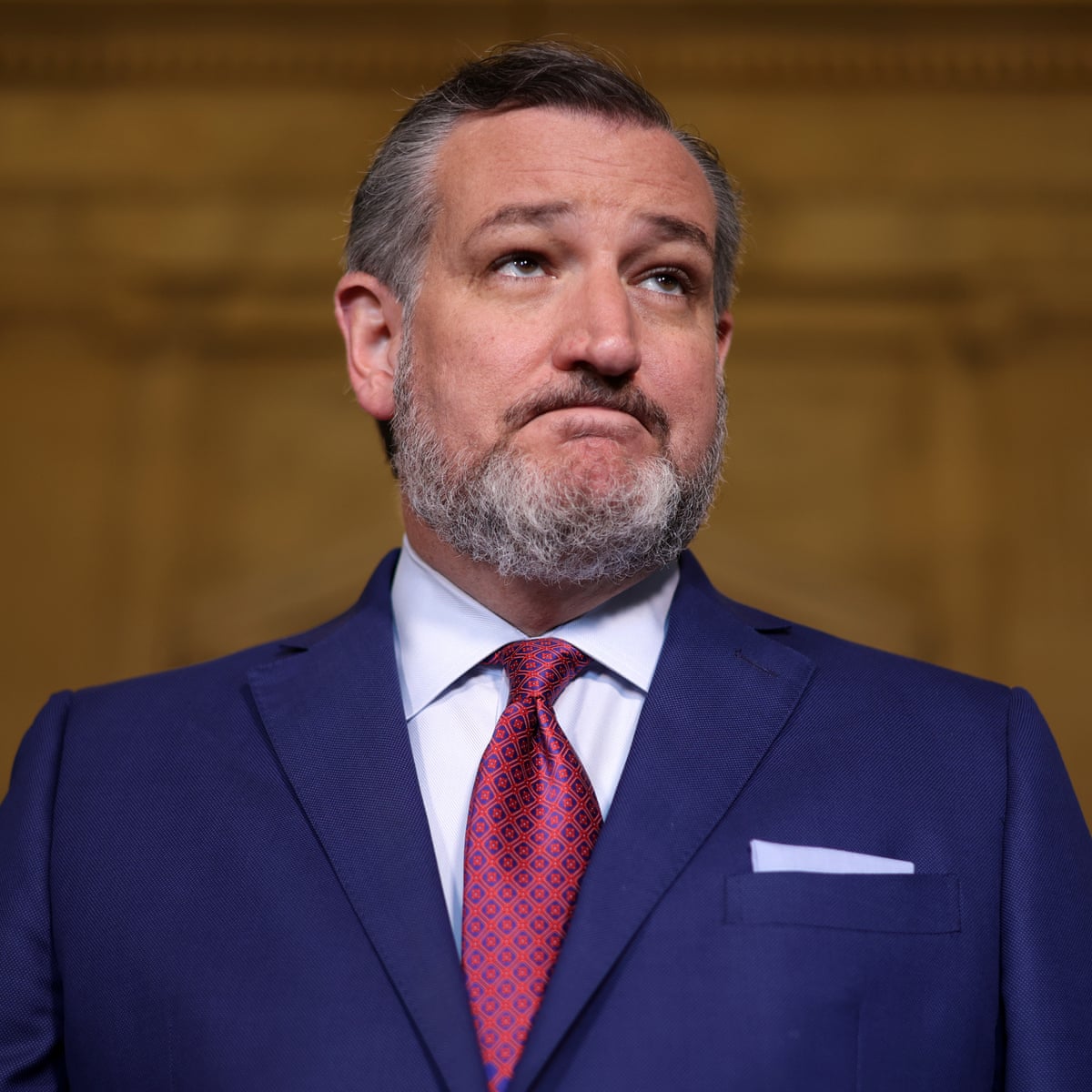
The senator began by asking whether Smith’s team had subpoenaed records belonging to the Republican National Committee. Smith said he would need to consult the records rather than claim to remember every subpoena issued during the investigation.
Cruz pressed him for a direct answer, moving through a list of organizations that included Turning Point USA and the Conservative Partnership Institute. When Smith confirmed that the latter organization had been subpoenaed, Cruz responded, “Good, we found one.”
The questioning then turned to communications involving Fox News and potential donor information. Smith explained that requests involving advertising communications were connected to the investigation, while repeatedly saying he would need to review specific subpoenas to answer questions about the precise categories of information obtained.
Cruz was visibly dissatisfied with those responses. He argued that Smith should know whether his office had collected donor and fundraising information and accused the former special counsel of avoiding straightforward questions.
The senator then presented figures that he said demonstrated the scale of the investigation. According to Cruz’s characterization, the records involved 197 subpoenas directed at 34 individuals and at least 163 businesses, with information sought concerning hundreds of Republican individuals and organizations.
Those numbers formed part of Cruz’s broader argument that the investigation had extended beyond examining the events surrounding January 6, 2021, and had instead swept up an extensive network of Republican political activity.
Smith rejected the implication that political affiliation had determined the investigative decisions. When Cruz asked whether being a Republican was a crime, Smith answered that it absolutely was not. He also agreed that writing a check to Republican candidates or organizations was not a crime.
But Smith added that investigators had been required to examine whether individuals or entities had violated the law in connection with efforts to obstruct the peaceful transfer of presidential power. His explanation was that the investigation concerned conduct, evidence and potential criminal activity, not membership in a political party.
The discussion became more personal when Cruz turned to telephone records associated with members of Congress, including his own. He criticized the use of nondisclosure orders that prevented affected senators from learning about the requests while investigators pursued the information.
Cruz argued that the orders raised serious constitutional questions, particularly under the Speech or Debate Clause, which protects legislative activity from certain forms of interference by other branches of government.

He also referred to a federal statute concerning congressional communications records and challenged Smith over whether the relevant legal restrictions had been brought to the attention of the judge who approved the nondisclosure orders.
Smith disputed Cruz’s conclusion that the investigative process had violated federal law. He maintained that obtaining the subpoenas and nondisclosure orders had been consistent with applicable law and explained that investigators had substantial reasons to believe Donald Trump might obstruct their work.
The distinction was important. Cruz argued that the confidentiality provisions improperly affected members of Congress who were not themselves the targets of the investigation. Smith’s response was that investigators had reason to protect the integrity of an ongoing inquiry and could not simply assume that disclosure would have no consequences.
Cruz then raised the role of telecommunications companies. He said AT&T had declined to provide his telephone records because the company believed doing so would violate constitutional protections, while other providers had responded to requests involving different senators.
The senator argued that prosecutors normally seek judicial enforcement when a recipient refuses to comply with a subpoena. He suggested that Smith’s team had abandoned the effort because it expected to lose a court challenge.

Smith rejected that interpretation, reiterating that the investigative work and the process used to obtain records were consistent with the law. The exchange illustrated how sharply the two men disagreed over the meaning and application of congressional privilege.
The confrontation reached another tense point when Cruz asked Smith whether he had any regrets about his work as special counsel. Smith replied that he regretted that people who had worked with him had been unfairly dismissed.
Cruz interrupted with a sarcastic response before delivering a lengthy criticism of Smith’s tenure. He compared the former special counsel to Richard Nixon’s attorney general, John Mitchell, and accused him of using the Justice Department to pursue political opponents.
Cruz also argued that Smith had damaged public confidence in the department by allowing it to become, in his characterization, an instrument of the Democratic Party. He accused the former prosecutor of contributing to political division and claimed that the investigations had helped Donald Trump politically.
Those were Cruz’s allegations, not established findings of a court. Smith did not accept the senator’s characterization, and the hearing itself did not resolve the legal disputes surrounding the investigative procedures.
The broader argument was about institutional trust. Republicans critical of Smith’s work emphasized the collection of congressional records, the treatment of political organizations and the use of nondisclosure orders. Democrats and Smith defended the investigations as evidence-driven efforts to examine alleged interference with the 2020 election and the peaceful transfer of power.
That disagreement raises difficult questions for the Justice Department and Congress. Investigators must be able to obtain relevant evidence when examining potential crimes, but the use of compulsory legal processes must also respect constitutional protections and the rights of individuals whose information may be collected.
The Speech or Debate Clause adds another layer of complexity because it protects legitimate legislative activity while not granting members of Congress blanket immunity from criminal investigation. Determining where those protections apply requires careful attention to the nature of the information sought and the conduct under investigation.
The viral version of the exchange turns this complicated dispute into a simple story about one senator delivering an insult and one prosecutor responding with a memorable speech. The available hearing record does not support that version.
What it does document is a sustained and sharply worded confrontation. Cruz challenged Smith’s recollection of investigative decisions, questioned the legal basis for nondisclosure orders and accused him of partisan conduct. Smith defended the investigation and explained why his office had pursued records connected to the effort to obstruct the transfer of power.
There was no confirmed “Know your place” moment. There was, however, a revealing disagreement over how much authority federal prosecutors should exercise, what protections members of Congress are entitled to and how the public can assess the conduct of an investigation when some of its most consequential decisions were made in secret.
Those questions remain central to the debate over the independence of federal law enforcement. And unlike a viral soundbite, they cannot be settled by a dramatic pause or a memorable one-line comeback. They require evidence, legal scrutiny and a careful examination of the decisions made by everyone involved.
