
Dar.r.e.n Wo.o.d.s was still defending Exx.o.n.M.o.b.i.l’s climate record when Sheldon Whi.t.e.h.o.u.s.e placed two enormous documents on the hearing room screen.
The Exx.o.n.M.o.b.i.l chief executive had spent several minutes explaining his company’s commitment to responsible energy production and technological innovation.
His presentation emphasized scientific research, emissions reduction initiatives, and the continuing importance of affordable energy for American families.
But Whi.t.e.h.o.u.s.e appeared interested in something the corporate presentation had barely addressed.
A thick investigative dossier rested beside the Rhode Island senator’s microphone.
Its pages contained historical company memoranda, published scientific research, congressional correspondence, and public statements about climate change.
Whi.t.e.h.o.u.s.e waited until Woods finished describing Exx.o.n.M.o.b.i.l’s contributions to climate science.
Then he quietly asked the technician to display two records side by side.
The first concerned scientific findings produced or examined within Exxon’s research operations decades earlier.
The second summarized public communications that researchers later compared against the company’s internal scientific understanding.
Whi.t.e.h.o.u.s.e leaned toward his microphone.
“You can script your PR, but you cannot hide your own internal data.”
The fictional hearing room became silent.
Woods looked toward the screen.
Whi.t.e.h.o.u.s.e placed his hand on the dossier.
“Mr. Woods, I want to understand something very simple.”
He paused.
“Why did researchers find such a substantial difference between your company’s scientific communications and its public messaging?”
Woods responded that Exx.o.n.M.o.b.i.l had conducted significant climate research and contributed findings to the scientific community.
He emphasized that climate science had developed over decades, with uncertainties that researchers continued examining.
Whi.t.e.h.o.u.s.e acknowledged that scientific uncertainty was a legitimate part of research.
But he refused to let the answer end there.
He pointed toward the first document.
“Then let’s begin with what your own researchers were studying.”
The screen displayed material associated with Exxon’s early climate research programs.
During the late 1970s and early 1980s, company scientists examined the relationship between atmospheric carbon dioxide and global temperatures.
Their work included investigating how fossil fuel emissions could influence the planet’s climate over time.
Some researchers developed projections concerning future warming.
Others examined the uncertainties surrounding atmospheric processes, ocean absorption, and long-term climate effects.
Whi.t.e.h.o.u.s.e asked the committee’s scientific adviser whether those studies represented serious scientific work.
The adviser confirmed that Exxon’s research made meaningful contributions to understanding climate change.
The company’s scientists had investigated questions also being examined by universities and government research institutions.
Whi.t.e.h.o.u.s.e turned toward Woods.
“So we’re not talking about people who had no idea carbon dioxide could influence global temperatures.”
Woods acknowledged that Exx.o.n.M.o.b.i.l scientists had contributed to developing climate knowledge.
He maintained that research findings must be understood within the scientific context of their time.
Whi.t.e.h.o.u.s.e nodded.
“Then let’s examine that context carefully.”
He opened the second section of the dossier.
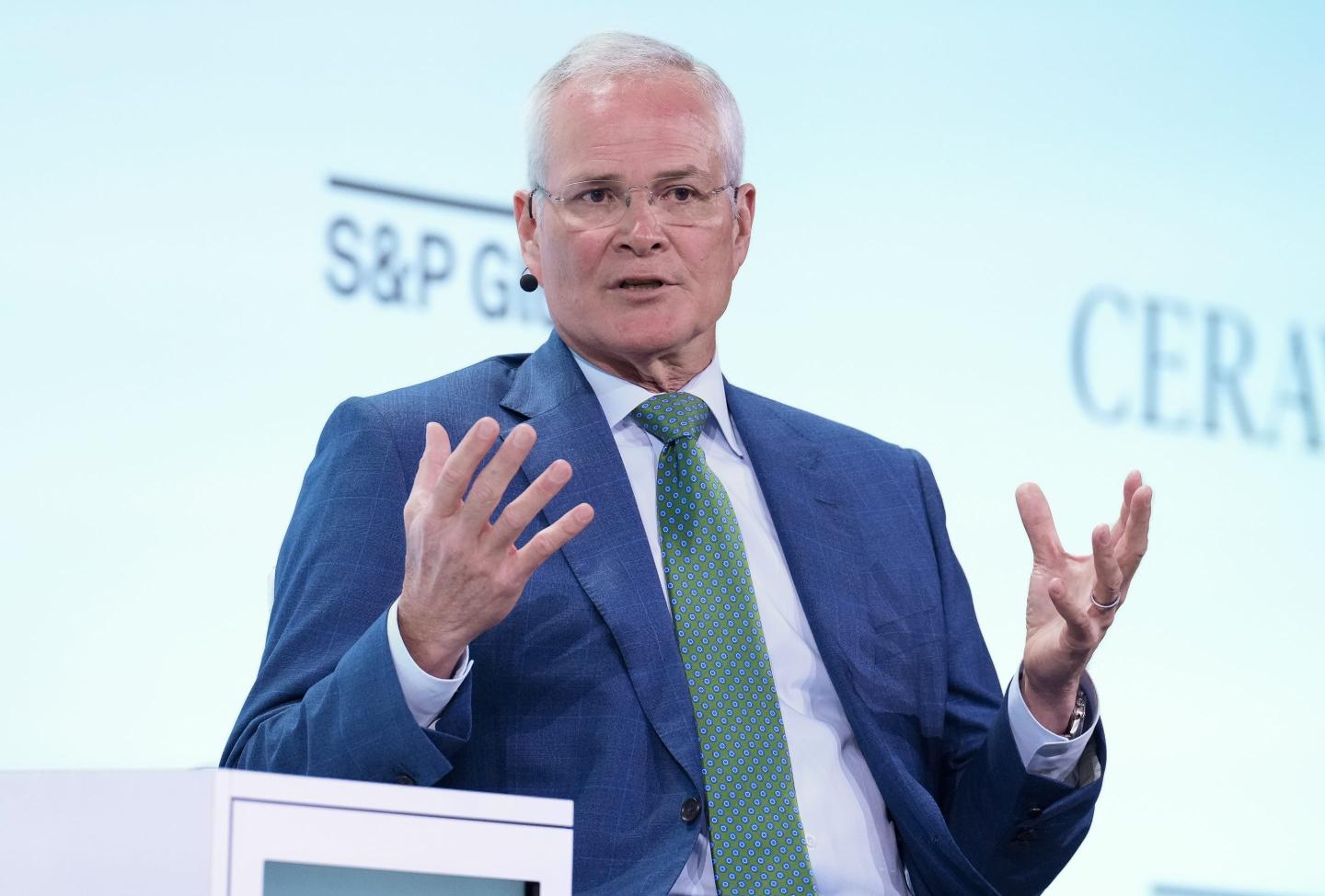
Inside was a summary of a 2017 peer-reviewed study by Geoffrey Supran and Naomi Oreskes.
The researchers examined 187 climate-related communications associated with Exx.o.n.M.o.b.i.l and its predecessor companies.
Their analysis compared internal documents, scientific publications, and paid public communications discussing climate change.
Whi.t.e.h.o.u.s.e asked the adviser to explain the central finding.
The adviser described a substantial difference between scientific materials and public-facing advertisements.
According to the study, 80 percent of examined internal documents acknowledged human-caused climate change.
Among the peer-reviewed scientific papers, that figure reached 83 percent.
But only 12 percent of the analyzed advertorials acknowledged human-caused climate change.
Many public advertisements instead emphasized uncertainty or doubt.
Whi.t.e.h.o.u.s.e slowly turned toward Woods.
“Those aren’t numbers produced by a political speech.”
He pointed toward the screen.
“They came from a published analysis of the company’s own communications.”
Woods challenged whether the study fairly represented the full historical record.
He argued that Exx.o.n.M.o.b.i.l had publicly discussed climate science and contributed research over many years.
Whi.t.e.h.o.u.s.e acknowledged that the company disputed accusations of deliberately misleading the public.
But he returned to the numerical contrast.
“Then help this committee understand why the public-facing materials communicated such a different message.”
The fictional chamber grew noticeably quieter.
The scientific adviser explained that comparing historical communications required considering their audiences and purposes.
A technical research paper could examine scientific questions in greater detail than a public advertisement.
However, researchers could still evaluate whether those materials communicated fundamentally different impressions of established evidence.
Whi.t.e.h.o.u.s.e pointed toward the study’s conclusions.
The researchers argued that Exx.o.n.M.o.b.i.l’s public communications had promoted doubt inconsistent with much of its scientific literature.
Woods responded that the company rejected the characterization that it had concealed climate science.
He emphasized that Exx.o.n.M.o.b.i.l’s scientific publications had been available to researchers and the public.
Whi.t.e.h.o.u.s.e studied the response.
Then he removed another document.
It concerned a 2023 analysis of historical Exx.o.n.M.o.b.i.l climate projections published in the journal Science.
The study examined quantitative warming projections created or published by company scientists over several decades.
Its authors found that many projections were consistent with subsequent observations and mainstream scientific understanding.
Whi.t.e.h.o.u.s.e asked the adviser to explain why that finding mattered.
The adviser noted that historical scientific projections could be evaluated against actual temperature observations.
Such comparisons helped researchers determine whether earlier models had meaningfully anticipated future climate conditions.
Whi.t.e.h.o.u.s.e looked toward Woods.
“Your scientists weren’t merely discussing a vague possibility.”
He paused.
“They were producing quantitative projections that researchers could later evaluate against the real world.”
Woods emphasized that Exx.o.n.M.o.b.i.l’s research reflected the evolving scientific understanding available during those decades.
Whi.t.e.h.o.u.s.e acknowledged that scientific knowledge had developed substantially since the early research programs.
But he questioned whether the company’s historical public communications accurately reflected its scientific capabilities.
The first major contradiction now occupied the entire screen.
On one side were technical findings about atmospheric warming.
On the other were public messages that researchers found placed considerably greater emphasis on doubt.
Whi.t.e.h.o.u.s.e opened another section of the dossier.
This one contained material concerning the industry’s response to climate policy proposals.
He explained that public messaging about science could influence political debates over environmental regulation.
When uncertainty received disproportionate emphasis, lawmakers and voters might misunderstand the strength of scientific evidence.
Woods responded that corporations had legitimate reasons to participate in public policy discussions.
Energy policy affected employment, economic growth, transportation, manufacturing, and household expenses.
He argued that companies should be permitted to explain the consequences of proposed regulations.
Whi.t.e.h.o.u.s.e agreed that businesses could participate in policy debates.
But he challenged the suggestion that ordinary policy advocacy resolved questions about scientific communication.
“There’s a difference between disagreeing about policy and creating doubt about evidence.”
The chairman asked both participants to clarify their positions.
Woods maintained that Exx.o.n.M.o.b.i.l recognized climate change as a serious issue and supported technological solutions.
Whi.t.e.h.o.u.s.e acknowledged that the company’s present statements differed from some of its historical public messaging.
But he wanted the hearing to examine how that difference developed.
He reached into the dossier again.
The next document concerned a 1982 internal research memorandum discussing carbon dioxide and climate science.
The material reflected scientific understanding of warming risks alongside recognized uncertainties.
Whi.t.e.h.o.u.s.e placed the memorandum beside a historical public communication emphasizing scientific uncertainty.
The two pages appeared together on the large screen.
He pointed toward the internal scientific discussion.
“Your researchers were examining the potential consequences of rising atmospheric carbon dioxide.”
Then he pointed toward the public communication.
“But the public conversation repeatedly emphasized what remained uncertain.”
Woods responded that uncertainty had been a genuine scientific issue during the period.
Whi.t.e.h.o.u.s.e agreed.
But he questioned whether the prominence of uncertainty in public messaging had accurately represented the broader scientific evidence.
The adviser explained that uncertainty could coexist with substantial scientific understanding.

Researchers might remain uncertain about the precise magnitude or timing of an effect while recognizing its underlying cause.
That distinction became central to the fictional confrontation.
Whi.t.e.h.o.u.s.e approached the display.
He pointed toward one of the historical temperature projections.
The graph showed a projected warming trajectory linked to rising atmospheric carbon dioxide concentrations.
Then he indicated the summary of public-facing materials.
“One side is analyzing the expected direction of warming.”
He paused.
“The other repeatedly questions how confidently the public should understand the problem.”
Woods maintained that historical materials should not be interpreted selectively.
Whi.t.e.h.o.u.s.e agreed that examining the complete record was important.
Then he asked whether the company supported making relevant archival materials available for independent evaluation.
Woods responded that Exx.o.n.M.o.b.i.l had previously published historical research materials and cooperated with various inquiries.
Whi.t.e.h.o.u.s.e acknowledged that some documents were publicly accessible.
But he argued that congressional investigators had encountered disputes over obtaining additional corporate communications.
The next section of the dossier concerned the House Oversight Committee’s investigation into fossil fuel industry climate communications.
On October 28, 2021, Woods testified before the committee alongside executives representing other major energy organizations.
The hearing examined allegations that companies had promoted misleading public messages about climate change.
Woods defended Exx.o.n.M.o.b.i.l’s scientific contributions and its approach to climate policy.
Whi.t.e.h.o.u.s.e placed the hearing record beside the earlier research documents.
“This issue has already received serious congressional attention.”
He paused.
“And the questions didn’t disappear when the witnesses finished speaking.”
The senator opened another folder.
Inside were documents concerning congressional requests for internal climate communications, public relations materials, and lobbying records.
Investigators had sought information about how fossil fuel companies developed and communicated their climate positions.
The requests extended beyond scientific reports.
They also concerned marketing strategies, political engagement, and financial support for outside organizations.
Whi.t.e.h.o.u.s.e asked whether such materials could help investigators understand the relationship between scientific knowledge and public messaging.
The adviser explained that contemporaneous communications could provide important context.
Internal discussions might reveal why particular messages were selected.
Public relations materials could identify the audiences companies intended to influence.
And lobbying communications could help distinguish scientific claims from arguments about regulatory costs.
But the adviser also emphasized that individual documents required careful interpretation.
A memorandum could reflect one employee’s perspective rather than a formal corporate decision.
Whi.t.e.h.o.u.s.e acknowledged that limitation.
Then he returned to Woods.
“That’s why I’m asking for the complete record, not just the material selected for a corporate presentation.”
Woods responded that the company had legitimate interests in protecting confidential and privileged information.
Whi.t.e.h.o.u.s.e agreed that lawful protections should be respected.
But he argued that those protections should not prevent Congress from evaluating evidence relevant to legitimate oversight.
The chairman asked the adviser to distinguish confidentiality from concealment.
The adviser explained that companies could assert legal protections over particular materials.
However, legitimate investigations might still seek relevant records through established procedures.
The central issue involved balancing oversight authority with applicable legal rights.
Whi.t.e.h.o.u.s.e nodded.
Then he returned to the two documents displayed on the screen.
The scientific research summary remained on the left.
The public communications analysis remained on the right.
He asked Woods whether the public deserved to understand why those records communicated different impressions.
Woods maintained that Exx.o.n.M.o.b.i.l had consistently contributed to scientific research and rejected accusations of deliberate deception.
Whi.t.e.h.o.u.s.e acknowledged the company’s position.
But he emphasized that independent researchers had reached different conclusions from their examination of historical materials.
The fictional hearing entered a more consequential phase.
Whi.t.e.h.o.u.s.e stopped discussing corporate statements in general terms.
Instead, he asked the scientific adviser to identify what additional evidence could resolve the dispute.
The adviser described three categories.
The first involved the complete historical research archive.
The second concerned contemporaneous communications explaining how executives interpreted scientific findings.
The third involved records showing how those interpretations informed public messaging.
Together, those materials could help investigators evaluate corporate decision-making more accurately.
Whi.t.e.h.o.u.s.e looked toward Woods.
“Then there’s a clear path toward answering these questions.”
Woods responded that any examination should be comprehensive and fair.
He emphasized that modern climate policy also required considering global energy needs and economic consequences.
Whi.t.e.h.o.u.s.e acknowledged that energy transitions involved difficult policy choices.
But he insisted that those choices should begin with an accurate understanding of the scientific record.
Then he revealed the final document.
It was another historical comparison, this time focused on long-term climate projections.
The 2023 research had found that Exx.o.n.M.o.b.i.l scientists produced many projections with notable predictive accuracy.
That finding reinforced the significance of the company’s early scientific capabilities.
Whi.t.e.h.o.u.s.e placed the study summary beside the 2017 communications analysis.
The first examined how well the company’s scientists understood future warming.
The second examined how the company communicated climate science across different audiences.
The juxtaposition became the decisive moment.
One study concerned the quality of internal scientific knowledge.
The other concerned the differences between scientific and public communications.
Together, they raised a question that could not be answered through ordinary advertising language.
Whi.t.e.h.o.u.s.e looked toward Woods.
“Mr. Woods, these studies examine different parts of the same historical record.”
He paused.
“One concerns what company scientists understood.”
Then he pointed toward the second document.
“The other concerns what the company communicated to the public.”
Woods reiterated that Exx.o.n.M.o.b.i.l disagreed with accusations that it had deliberately misled people about climate change.
Whi.t.e.h.o.u.s.e acknowledged that the company’s intentions remained a contested question.
But he maintained that the documented differences deserved independent examination.
The chairman asked whether the studies established that Woods personally directed historical public communications.
The adviser answered no.
Many of the examined documents predated Woods’s leadership as chief executive.
The research did not establish that he personally authored or approved the historical statements under discussion.
Whi.t.e.h.o.u.s.e accepted the clarification.
His question concerned Exx.o.n.M.o.b.i.l’s institutional responsibility for explaining its historical record.
The chairman then asked what concrete action the committee could consider.
Whi.t.e.h.o.u.s.e proposed a structured review of relevant archival material.
The review would compare scientific findings with contemporaneous public communications and internal decisions about messaging.
It would also allow the company to provide context and challenge inaccurate interpretations.
The adviser recommended distinguishing historical scientific uncertainty from claims inconsistent with available evidence.

The chairman directed staff to prepare a framework for that comparison within the fictional proceeding.
That instruction gave the confrontation a measurable outcome.
The committee would not presume that every historical advertisement constituted deliberate deception.
Nor would it disregard the peer-reviewed findings identifying substantial communication differences.
Instead, the review would examine specific documents, dates, authors, and institutional decisions.
Whi.t.e.h.o.u.s.e returned to the microphone.
“Mr. Woods, you have every right to defend your company’s position.”
He paused.
“But defending a position isn’t the same as answering the evidence.”
Woods responded that Exx.o.n.M.o.b.i.l welcomed serious scientific discussion and continued investing in technological solutions.
Whi.t.e.h.o.u.s.e acknowledged that current technology initiatives deserved evaluation on their own merits.
But he insisted that contemporary promises could not substitute for answers about historical communications.
The hearing room became silent again.
Whi.t.e.h.o.u.s.e approached the screen one final time.
He pointed toward the early scientific projections.
Then he pointed toward the public communications analysis.
The contrast remained visible.
He returned to his microphone.
“Your scientists developed projections that researchers later found remarkably consistent with observed warming.”
He paused.
“And independent researchers identified a substantial difference between those scientific findings and the company’s public messaging.”
Then he delivered his final question.
“Mr. Woods, if your scientists understood the risks so clearly, why did the public repeatedly receive a message emphasizing doubt?”
The fictional room fell silent.
Woods responded that the company’s historical communications reflected scientific developments, legitimate uncertainties, and public policy considerations.
He maintained that Exx.o.n.M.o.b.i.l rejected the accusation that it had deliberately concealed climate science.
Whi.t.e.h.o.u.s.e acknowledged the response without withdrawing his question.
The chairman closed the hearing by preserving the proposed documentary review.
The two historical records remained displayed side by side.
No newly authenticated secret memorandum had emerged during the exchange.
The documents discussed were grounded in publicly examined historical materials and published research.
The confrontation did not establish that Woods personally committed misconduct.
Nor did it resolve every disagreement about Exx.o.n.M.o.b.i.l’s institutional intentions.
But it highlighted a documented controversy involving scientific knowledge and public communication.
The company’s researchers had investigated the relationship between fossil fuel emissions and global warming decades earlier.
Independent studies later evaluated the accuracy of those projections and the messages communicated to different audiences.
Those findings created serious questions about how scientific information had been presented.
Exx.o.n.M.o.b.i.l maintained that its historical record had been mischaracterized by critics.
Researchers argued that important differences between scientific understanding and public messaging required explanation.
The proposed review would examine that disagreement through specific documents rather than competing slogans.
Whi.t.e.h.o.u.s.e gathered the dossier.
Woods collected his prepared statement.
The chairman ended the session while the two records remained on the screen.
The internal scientific research had not changed.
The public communications had not changed.
But the way those records were examined could shape how institutions understood corporate accountability.
The central question extended beyond one company.
How should powerful organizations communicate scientific findings when those findings threaten their economic interests?
And what responsibility do corporate leaders bear when public messaging appears inconsistent with technical evidence available within their organizations?
Those questions could not be answered by a polished presentation alone.
They required records, careful analysis, competing interpretations, and a willingness to confront uncomfortable findings.
The fictional hearing ended without a declaration of criminal guilt.
But the contradiction examined by independent researchers remained the focus of the committee’s work.
When a company’s own scientific history becomes the evidence under examination, the most important question is no longer how convincing its public message sounds, but whether that message accurately reflects what its researchers knew.
