
The hearing room fell silent when Senator Sheldon Whit.e.h.o.u.s.e placed two documents on the desk in front of Tom Homan.
One was a copy of the United States Constitution.
The other was a fictional federal enforcement memorandum outlining potential criminal consequences for state and local officials who refused to assist immigration authorities.
Across the table, Homan had been defending a tough approach to immigration enforcement.
The discussion had become increasingly heated after the moderator raised a hypothetical proposal to prosecute elected mayors and governors who declined to cooperate with federal immigration operations.
Whit.e.h.o.u.s.e had remained quiet through the opening exchanges.
Then he leaned toward his microphone.

“Mr. Homan, before we start talking about putting elected officials in federal prison, I’d like to establish something.”
Homan looked toward him.
Whit.e.h.o.u.s.e opened the memorandum.
“Are you talking about someone who actually violated federal law?”
He paused.
“Or someone who simply refused to make local police officers do the federal government’s job?”
The room grew quiet.
Homan answered that federal officials needed to be able to enforce immigration law without unlawful interference.
Whit.e.h.o.u.s.e nodded.
“That’s an important distinction.”
He pointed toward the document.
“Because interference and noncooperation aren’t necessarily the same thing.”
The moderator asked him to explain.
Whit.e.h.o.u.s.e opened his pocket Constitution to the Tenth Amendment.
“That’s what I’d like this hearing to establish.”
Then he turned to the final page of the memorandum.
It contained a proposed enforcement category labeled “failure to cooperate.”
But the document did not identify a specific criminal statute that made every instance of local noncooperation a federal offense.
Whit.e.h.o.u.s.e tapped the empty citation field.
“There’s something missing here.”
The cameras moved closer.
“Before anybody threatens a mayor with prison, shouldn’t we know exactly what crime that mayor supposedly committed?”
The fictional confrontation had begun with a disagreement over sanctuary policies.
Homan argued that federal immigration enforcement could be undermined when local jurisdictions declined to assist with certain operations.
He emphasized concerns involving public safety, access to people already in custody, and the practical consequences of limited cooperation.
Whit.e.h.o.u.s.e acknowledged that federal authorities had legitimate enforcement responsibilities.
But he argued that those responsibilities did not automatically give Washington the power to command state and local officials to carry out federal programs.
The moderator asked a constitutional-law specialist to explain the distinction.
The specialist described the federal government’s significant authority over immigration enforcement.
Federal officers could carry out lawful immigration operations using powers provided by federal law.
But the constitutional structure also placed limits on requiring state and local governments to administer federal regulatory programs.
That principle was commonly associated with the anti-commandeering doctrine.
Whit.e.h.o.u.s.e turned toward Homan.
“Then let’s start with a basic question.”
He paused.
“Can Washington simply order every mayor in America to assign local police officers to federal immigration enforcement?”
The specialist explained that the federal government generally could not compel state or local officers to administer a federal immigration program merely because federal officials wanted their assistance.
Homan emphasized that cooperation could be important.
Whit.e.h.o.u.s.e agreed.
“But cooperation has a meaning.”
He leaned forward.
“It isn’t the same thing as obedience to every federal request.”
The moderator asked whether local jurisdictions could voluntarily assist federal immigration authorities.
The specialist answered yes, subject to applicable law.
Cooperative arrangements could exist.
State and local officials could communicate with federal authorities in circumstances permitted or required by law.
And some jurisdictions chose to dedicate resources to particular enforcement partnerships.
But voluntary cooperation and federally compelled participation were legally different concepts.
Whit.e.h.o.u.s.e nodded.
“Then a mayor who chooses not to join a voluntary arrangement hasn’t automatically committed a federal crime.”
The specialist agreed.
The answer depended on the specific conduct and applicable law.
Homan maintained that local officials should not obstruct federal officers.
Whit.e.h.o.u.s.e acknowledged the point.
“Absolutely.”
He paused.
“If somebody unlawfully interferes with federal officers, investigate the conduct.”
Then he pointed toward the memorandum.
“But don’t take a lawful refusal to participate and call it obstruction just because you don’t like the answer.”
The discussion turned toward immigration detainers.
The moderator asked the specialist to explain how they worked.
An immigration detainer was a request by federal immigration authorities asking a law enforcement agency to notify federal officials about a person in custody or maintain custody for a limited additional period under specified circumstances.
The exact legal consequences depended on the nature of the request and the relevant jurisdiction.
Courts had addressed significant constitutional questions concerning whether state and local authorities could be compelled to honor such requests.
Whit.e.h.o.u.s.e asked whether every detainer was a judicial warrant.
The specialist answered no.
An administrative immigration document was not necessarily the same thing as a warrant issued by a judge.
That distinction could affect whether continued detention was lawful.
Whit.e.h.o.u.s.e looked toward Homan.
“Then we ought to be careful before threatening a sheriff because he refuses to hold somebody without authority recognized by the courts.”
Homan argued that federal immigration officials needed practical cooperation to perform their responsibilities.
The specialist acknowledged the operational concern.
But the legal question remained separate.
A federal request did not automatically establish that a local official had a legal obligation to comply.
The moderator asked whether local officials could actively interfere with lawful federal operations.
The specialist explained that particular acts of obstruction or other misconduct could implicate federal law.
But refusing to provide voluntary assistance did not automatically establish such conduct.
Whit.e.h.o.u.s.e nodded.
“That’s the distinction I’ve been asking about.”
He opened the fictional memorandum again.
The first page described several hypothetical sanctuary jurisdictions.
One city declined to assign police officers to routine civil immigration enforcement.
Another restricted the use of municipal facilities for certain federal operations.
A third involved an allegation that an official had deliberately interfered with a lawful federal proceeding.
Whit.e.h.o.u.s.e pointed toward the three examples.
“These are not identical situations.”
The specialist agreed.
Each required examination of the actual facts and governing law.
Whit.e.h.o.u.s.e then asked whether the first city’s refusal to assign officers automatically demonstrated obstruction.
The specialist answered no.
He asked whether the second city’s property policy necessarily established a federal offense.
Again, the answer depended on the precise circumstances and legal authority involved.
Then he pointed toward the third example.
“What about somebody who intentionally interferes with an actual federal proceeding?”
The specialist explained that conduct meeting the elements of an applicable federal offense could warrant investigation and prosecution.
Whit.e.h.o.u.s.e nodded.
“Then that’s the distinction.”
He looked toward the moderator.
“Three different situations. Three different legal analyses.”
The moderator asked whether Homan agreed that federal prosecutors needed evidence of specific offenses before filing criminal charges.
Within the fictional exchange, Homan acknowledged that prosecutions required applicable law and supporting evidence.
He maintained that federal authorities should be able to respond to actual obstruction.
Whit.e.h.o.u.s.e agreed.
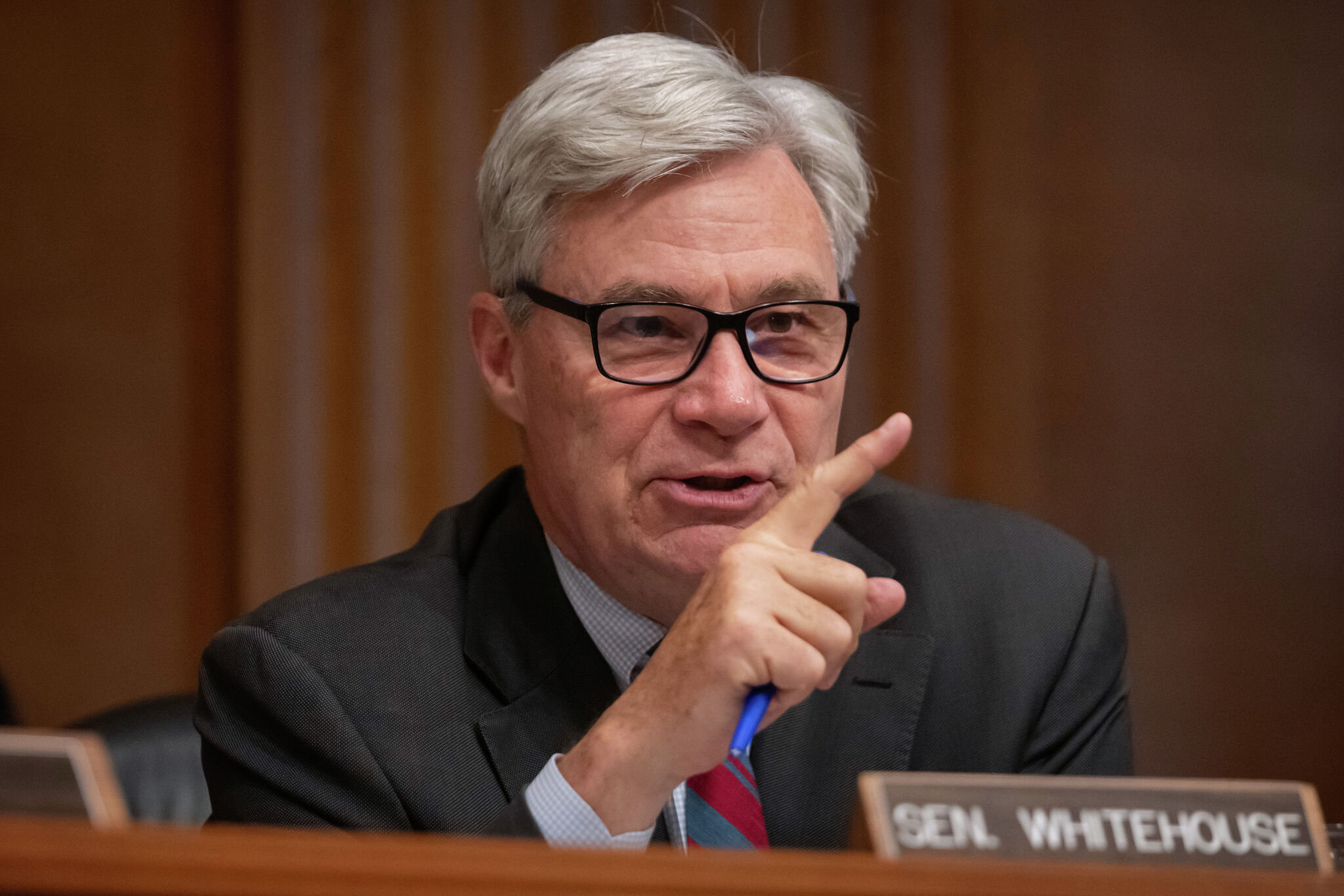
“But that isn’t the same thing as threatening every elected official who disagrees with an immigration enforcement strategy.”
The discussion grew more intense.
Homan argued that certain sanctuary policies could create serious public safety concerns.
Whit.e.h.o.u.s.e responded that officials could debate those consequences without assuming every policy disagreement constituted criminal conduct.
The moderator asked whether sanctuary policies were all legally identical.
The specialist answered no.
Different jurisdictions adopted different policies.
Some limited the use of local resources.
Others addressed information sharing.
Still others concerned access to detention facilities or responses to federal requests.
Their legality depended on the provisions involved, applicable federal and state law, and relevant judicial decisions.
Whit.e.h.o.u.s.e leaned toward his microphone.
“Then saying the word ‘sanctuary’ doesn’t answer the legal question.”
The specialist agreed.
A label was not a substitute for examining an actual policy.
Homan emphasized that he wanted cooperation with federal enforcement efforts.
Whit.e.h.o.u.s.e acknowledged that preference.
Then he asked whether the federal government could seek voluntary agreements or pursue lawful legal challenges to local policies.
The specialist answered yes.
Those options were distinct from threatening imprisonment without identifying criminal conduct.
Whit.e.h.o.u.s.e nodded.
“Then the government has tools.”
He paused.
“But it still has to use the right ones.”
The moderator turned toward the Constitution.
Whit.e.h.o.u.s.e pointed toward the Tenth Amendment.
He asked the specialist to explain the principle underlying the anti-commandeering doctrine.
The specialist described the constitutional division of authority between federal and state governments.
Although federal law could be supreme within its constitutional sphere, that did not generally authorize federal officials to turn state governments into compulsory administrators of federal regulatory programs.
The Supreme Court had addressed related principles in cases including Printz v. United States and Murphy v. NCAA.
Whit.e.h.o.u.s.e listened.
Then he returned to Homan.
“Federal supremacy doesn’t mean federal officials get to order state employees around whenever they find it convenient.”
The specialist explained that preemption and commandeering were different legal concepts.
A valid federal law could displace conflicting state law under appropriate circumstances.
But direct commands requiring state governments to administer federal programs raised separate constitutional concerns.
Whit.e.h.o.u.s.e nodded.
“That’s why the distinction matters.”
The host asked whether the federal government could simply prosecute a governor who publicly opposed an immigration operation.
The specialist answered that political opposition alone did not establish a criminal offense.
A public official could criticize federal policy.
Criminal liability required specific unlawful conduct satisfying the elements of an applicable statute.
Whit.e.h.o.u.s.e looked toward the fictional memorandum.
“Then let’s stop treating disagreement as if it were an arrest warrant.”
The room became quiet.
Homan maintained that federal officers needed protection against actual interference.
Whit.e.h.o.u.s.e acknowledged that concern.
He argued that protecting lawful enforcement and respecting constitutional federalism were not mutually exclusive.
A government could investigate real obstruction while recognizing that local officials were not generally required to provide every form of assistance requested.
The specialist agreed that both legal principles had to be considered.
Then the moderator raised a hypothetical involving a Rhode Island mayor.
Suppose the mayor instructed municipal police officers not to participate in routine civil immigration operations unless required by applicable law.
Could that policy alone justify imprisonment?
The specialist explained that the mere refusal to volunteer municipal resources did not establish a federal crime.
The analysis would change if the official engaged in separate conduct that violated an applicable law.
Whit.e.h.o.u.s.e turned toward Homan.
“A neighborhood watch captain in Rhode Island understands the difference between asking somebody for help and having legal authority to command them.”
A few people in the fictional audience reacted.
Whit.e.h.o.u.s.e continued.
“That’s the distinction this memorandum keeps blurring.”
The moderator asked whether local officials could be held accountable for actions outside their lawful authority.
The specialist answered yes.
State and local office did not provide blanket immunity from federal law.
If officials engaged in conduct that met the elements of federal crimes, appropriate proceedings could follow.
But responsibility had to be established through law and evidence.
Whit.e.h.o.u.s.e nodded.
“Then let’s apply that standard to everybody.”
He paused.
“Federal officials, state officials, mayors, governors—everybody.”
The debate had reached a more precise stage.
The issue was no longer whether local cooperation could help immigration enforcement.
The issue was whether disagreement or nonparticipation could be transformed into a criminal offense without an independent legal basis.
Whit.e.h.o.u.s.e opened the fictional memorandum to its final section.
A table summarized potential enforcement responses.
One category concerned actual interference with federal officers.
Another involved possible violations of federal information-sharing provisions.
The third was labeled simply “refusal to cooperate.”
Whit.e.h.o.u.s.e pointed toward the third category.
“Show me the criminal statute.”
The moderator examined the page.
No specific criminal provision appeared beside the label.
Whit.e.h.o.u.s.e looked toward the constitutional-law specialist.
“Does a policy memorandum create a new federal crime?”
The specialist answered no.
Congress defined federal criminal offenses through legislation subject to constitutional limits.
Executive agencies could not invent criminal liability through internal terminology.
Whit.e.h.o.u.s.e nodded.
“Then we have a problem.”
He turned toward Homan.
“If the conduct is criminal, identify the statute and prove the elements.”
He paused.
“If it isn’t criminal, don’t threaten somebody with prison because you’re frustrated.”
The moderator asked whether the missing citation conclusively established that no law could apply under any conceivable circumstances.
The specialist answered no.
The absence of a citation in the fictional memorandum did not resolve every possible factual scenario.
But it meant the document itself had not established a legal basis for treating every refusal to cooperate as criminal.
Whit.e.h.o.u.s.e accepted the qualification.
He requested that any enforcement recommendation specify the alleged conduct and relevant legal authority.
The host asked whether such documentation would interfere with legitimate federal investigations.
The specialist explained that identifying legal grounds was a normal requirement of responsible enforcement.
It helped distinguish lawful investigative priorities from unsupported accusations.
Whit.e.h.o.u.s.e turned toward the moderator.
“Then asking for the law isn’t an obstacle to law enforcement.”
He paused.
“It’s part of law enforcement.”
The fictional discussion became quieter.
Homan maintained that local officials who deliberately obstructed federal operations should face consequences under applicable law.
Whit.e.h.o.u.s.e agreed that established violations could be pursued.
But he rejected the idea that all political opposition or noncooperation could be treated as obstruction.
The moderator asked whether the two positions were necessarily incompatible.
The specialist answered no.
Federal immigration authorities could perform their lawful duties.
State and local governments could make decisions about voluntary participation within constitutional and statutory limits.
And officials who independently committed crimes could be investigated through appropriate procedures.
The legal conflict arose when those separate categories were collapsed into one.
Whit.e.h.o.u.s.e closed the memorandum.
Then he returned to the Constitution.
“That’s what this debate has been missing.”
He paused.
“Not every refusal is obstruction.”
He looked toward Homan.
“Not every disagreement is a conspiracy.”
Then he pointed toward the unfilled legal citation.
“And not every threat of prosecution has a legal foundation.”
The moderator asked whether an elected mayor could be forced to resign or face imprisonment merely because a federal official disliked the mayor’s sanctuary policy.
The specialist answered that political disagreement alone was not enough.
Any lawful action would require an appropriate legal basis.
Whit.e.h.o.u.s.e nodded.
“Then the government has to prove its case.”
The discussion turned toward the practical consequences of sanctuary policies.
Homan argued that cooperation could help federal authorities identify and apprehend individuals sought for immigration enforcement.
Whit.e.h.o.u.s.e acknowledged the operational argument.
But he emphasized that lawmakers and courts still had to consider constitutional limitations.
The specialist explained that practical benefits did not automatically resolve questions about legal authority.
A policy might be operationally useful without being legally mandatory.
Conversely, a local action could violate federal law even when an official claimed political justification.
Both situations required specific analysis.
The moderator asked the participants to distinguish policy disagreement from illegal obstruction.
Whit.e.h.o.u.s.e proposed a simple framework.
First, identify the federal action involved.
Second, establish whether the local official had a legal duty to act.
Third, identify the conduct that allegedly violated that duty or another federal law.
Fourth, evaluate the evidence.
The specialist agreed that those questions would help clarify the issues.
Homan emphasized that federal officers needed to be able to carry out lawful operations.
Whit.e.h.o.u.s.e agreed.
Then he asked whether threats of mass prosecution should precede the legal analysis.
The moderator allowed the question.
Homan responded that actual decisions concerning prosecution belonged within the legal process.
Whit.e.h.o.u.s.e nodded.
“Then let’s keep the legal process ahead of the political rhetoric.”
The studio grew quiet.
The host asked whether Whit.e.h.o.u.s.e had one final question.
He opened the Constitution again.
Then he looked toward Homan.
“Mr. Homan, let’s imagine a mayor refuses to assign local police to federal immigration enforcement.”
He paused.
“Assume the mayor hasn’t hidden anybody, destroyed evidence, or interfered with federal officers.”
The moderator listened.
“Assume the mayor has simply declined to volunteer local resources.”
Whit.e.h.o.u.s.e leaned toward his microphone.
“If the Constitution doesn’t require that mayor to do the federal government’s job, what law gives you the right to threaten him with federal prison for refusing?”
For several seconds, the room remained quiet.
The constitutional-law specialist explained that the hypothetical refusal alone did not establish a federal crime.
Any prosecution would require specific unlawful conduct and an applicable statute.
Homan reiterated that actual obstruction was a different matter.
Whit.e.h.o.u.s.e agreed.
“Then let’s stop pretending the two are the same.”
The moderator thanked both participants.
The fictional hearing ended without establishing that Homan had issued the alleged mass-arrest threat in the form described by the opening accusation.
Nor did it document a genuine televised confrontation between Homan and Whit.e.h.o.u.s.e.
The exchange was an imagined debate about federal immigration authority, state and local cooperation, and constitutional limitations.
The legal distinction at its center was important.
Federal authorities possessed significant immigration enforcement powers.
State and local governments could choose to cooperate in many circumstances.
But the federal government generally could not force state and local officials to administer federal immigration programs simply because cooperation would be convenient.
At the same time, officials could not lawfully obstruct federal proceedings or engage in independently prohibited conduct merely by invoking local policy.
The facts mattered.
The law mattered.
And the difference between refusing assistance and actively interfering with lawful enforcement mattered.
The fictional memorandum had failed to draw those distinctions clearly.
Its broad category of “failure to cooperate” suggested criminal liability without identifying a specific offense.
That omission did not prove every possible enforcement action unlawful.
But it illustrated why prosecutors must analyze actual conduct before making accusations.
Whit.e.h.o.u.s.e gathered his papers.
Homan closed his folder.
The moderator looked toward the documents remaining on the desk.
One was a political enforcement proposal.
The other was the Constitution.
The final issue was not whether federal officials and local leaders had to agree about immigration policy.
They did not.
The issue was whether the federal government possessed lawful authority to demand particular conduct and punish its refusal.
Constitutional federalism required that question to be answered through law rather than political frustration.
The imagined confrontation had begun with a dramatic threat of imprisonment.
It ended with a demand for the legal foundation behind that threat.
Federal immigration law can be enforced vigorously. But an elected official’s refusal to provide voluntary assistance is not automatically a crime, and the threat of prison cannot substitute for proving one.
