
John Kennedy and Abdul El-Sayed: The Explosive Exchange That Intensified Michigan’s Senate Race
A heated political dispute between Republican Senator John Kennedy of Louisiana and Michigan Democratic Senate nominee Abdul El-Sayed brought the increasingly bitter Michigan Senate race into the national spotlight. What began as a campaign appearance alongside Republican candidate Mike Rogers quickly developed into a controversy over religion, political rhetoric, and the boundaries of acceptable criticism in American elections.
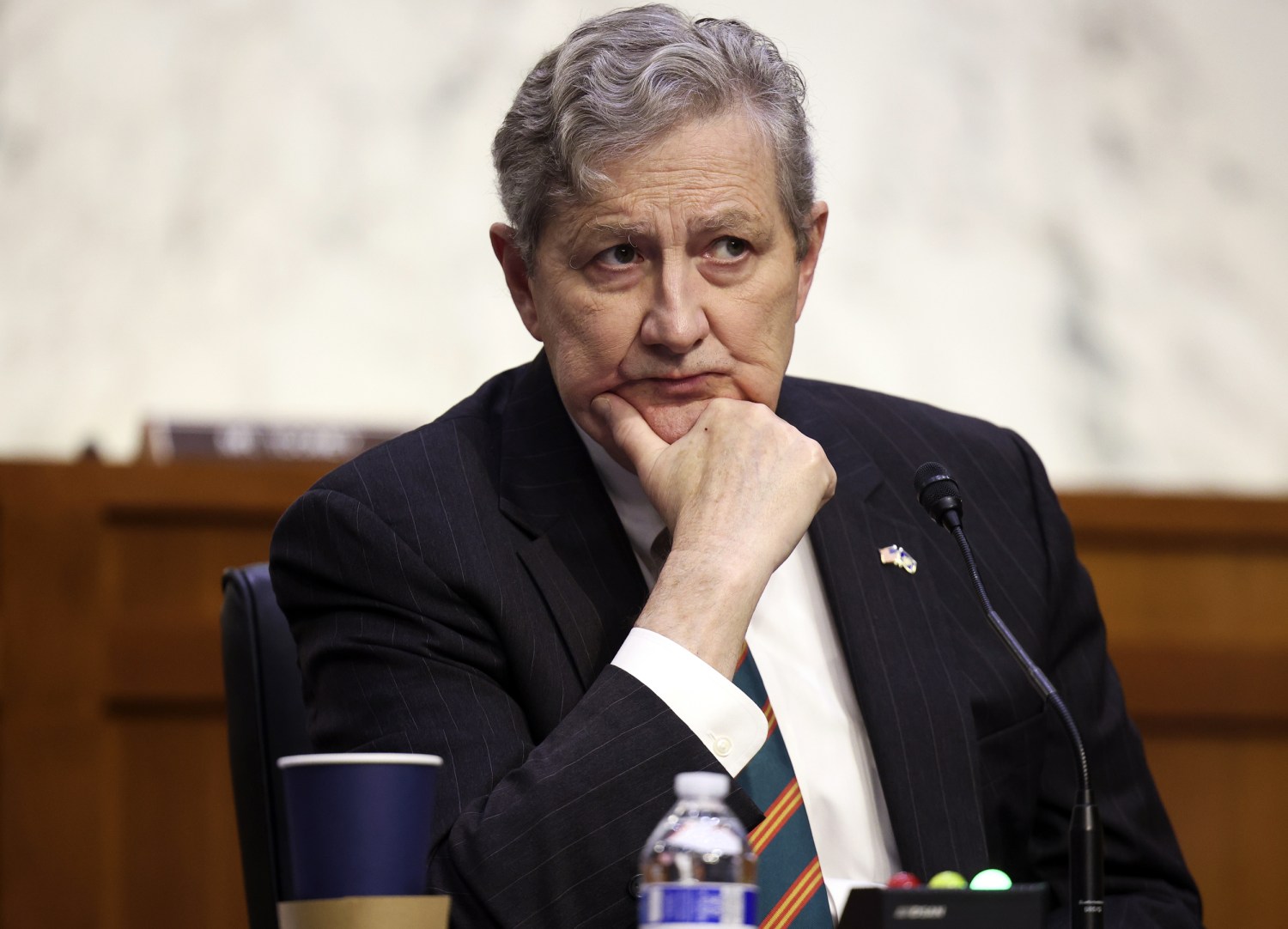
The confrontation unfolded on October 9, 2026, when Kennedy appeared in Michigan to campaign for Rogers. During a conversation with reporters, the Louisiana senator made a pointed remark about El-Sayed and the American Israel Public Affairs Committee, commonly known as AIPAC.
“AIPAC wouldn’t come here if Dr. El-Sayed didn’t sleep in a Bin Laden jersey,” Kennedy said, adding, “I’m just telling you.”

The comment immediately attracted attention. Kennedy was suggesting that El-Sayed’s political positions and associations were responsible for the opposition he faced from the pro-Israel lobbying organization. But the reference to Osama bin Laden, the former leader of al-Qaeda, went beyond a conventional criticism of a candidate’s policy positions.
The remark was particularly sensitive because El-Sayed is Muslim and had repeatedly faced attacks questioning his loyalty to the United States. Critics of Kennedy argued that invoking bin Laden without evidence of any connection between El-Sayed and the terrorist leader risked reinforcing suspicion based on religious identity rather than documented conduct.
The timing also mattered. The Michigan Senate race had already become one of the most contentious political contests of the election cycle. El-Sayed, a physician and former public health official, had built his campaign around economic inequality, health care, and opposition to American military assistance to Israel. Rogers, a former congressman, had made national security and El-Sayed’s political associations central themes of his campaign.
El-Sayed did not remain silent. On October 10, he responded to Kennedy’s remark on social media with a pointed reference of his own: “That’s rich coming from someone who wears his bed sheets out at night.”
The wording invoked the white robes historically associated with the Ku Klux Klan, turning Kennedy’s accusation back against him through an unmistakable political insult. The exchange rapidly circulated online, attracting reactions from commentators and political figures on both sides.
The dispute was not a televised confrontation between the two men. Kennedy made his original remark while campaigning alongside Rogers, while El-Sayed responded separately on social media. Nevertheless, their exchange became a defining example of the increasingly personal rhetoric surrounding the Michigan race.
The controversy continued when Kennedy appeared on Fox News’ Sunday Morning Futures on October 11. Rather than withdrawing his earlier statement, he acknowledged making it and defended his criticism of El-Sayed.
Kennedy pointed to El-Sayed’s political views and his appearances alongside online commentator Hasan Piker. He cited Piker’s controversial statements about the September 11 attacks, terrorism, and Israel, arguing that El-Sayed’s associations reflected poorly on his political judgment. Kennedy also described El-Sayed as a Democratic socialist and criticized his economic positions.
His argument moved the discussion beyond the original remark and toward a broader dispute over political ideology, foreign policy, and the responsibilities of candidates when choosing their public allies.
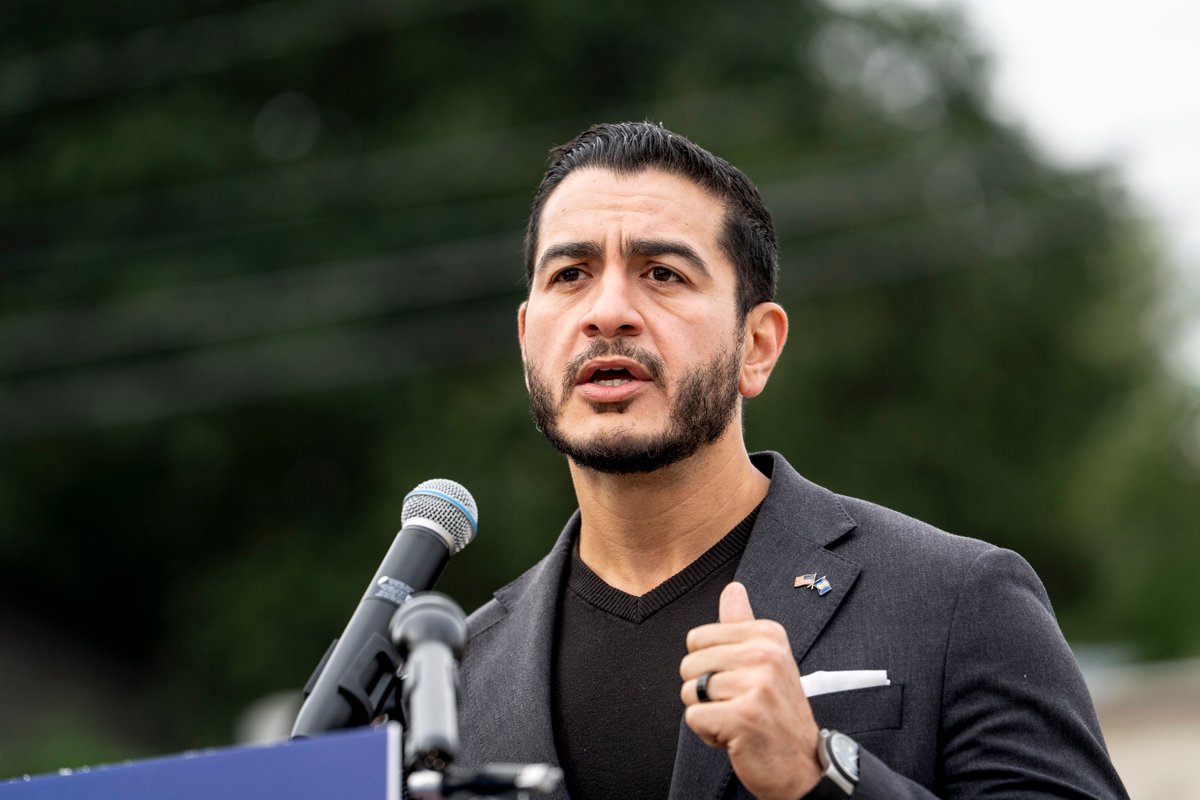
El-Sayed and his supporters rejected the implication that his religious identity or political associations justified comparisons with bin Laden. They argued that Kennedy had substituted insinuation for evidence and that the language contributed to an atmosphere in which Muslim candidates were repeatedly required to prove their loyalty to the country.
The dispute also exposed the central tension in the campaign: how far should political opponents go when challenging a candidate’s beliefs, associations, and positions on international affairs?
El-Sayed had faced similar attacks from other prominent Republicans. President Donald Trump and several conservative figures had questioned his commitment to American interests, while his Republican opponent repeatedly raised concerns about his political associations and views on foreign policy. El-Sayed maintained that these attacks distracted from the issues voters should be evaluating, including health care, economic opportunity, and the use of public money.
The debate over Israel was especially important. El-Sayed had been openly critical of American military assistance to the Israeli government and had argued that taxpayer money should be directed toward domestic priorities. Those positions attracted opposition from pro-Israel organizations and Republican politicians, who viewed his foreign-policy approach as a serious concern.
Kennedy’s reference to AIPAC therefore touched on a genuine political dispute, even as his choice of language became the subject of a separate controversy. The organization had been involved in spending against El-Sayed, while Rogers welcomed support from pro-Israel groups. The disagreement over that involvement became another battleground in an already polarized campaign.
For Kennedy, the episode was consistent with his confrontational style of political commentary. The Louisiana senator has frequently used humor, sarcasm, and sharp personal language to attack political opponents. Supporters often regard that approach as direct and entertaining, while critics argue that it can blur the distinction between substantive policy criticism and personal insinuation.
For El-Sayed, the exchange presented a different challenge. He had to respond to criticism of his political positions without allowing the campaign to become entirely defined by arguments about his name, religion, or family background. His response demonstrated that he was willing to confront personal attacks publicly, but it also ensured that the dispute would remain part of the national conversation surrounding his candidacy.
The episode illustrates how modern political campaigns increasingly unfold across several platforms at once. A remark made during a campaign appearance can become a viral video, provoke a response on social media, and return to television as a subject of further debate within hours. In that environment, the original policy disagreement can quickly become secondary to the language used by the politicians involved.
There is no verified record of Kennedy delivering the viral caption’s alleged “One Nation, One Flag” speech directly to El-Sayed, nor of a dramatic 30-second exchange in which he exposed a hidden agenda. The documented confrontation was a separate series of public remarks and online responses in October.
Yet the underlying questions remain significant. How should candidates be judged when their positions on foreign policy are controversial? When does criticism of political associations become an unsupported accusation? And can a campaign focused on national security and ideological differences avoid turning religious identity into a political weapon?
Those questions extend far beyond Michigan. The Kennedy–El-Sayed dispute became another example of the increasingly difficult balance between forceful political criticism and responsible public debate in a deeply divided country.
