
John Kennedy and Zohran Mamdani: The Debate Over Islamophobia, Public Safety and Working-Class New Yorkers
The political divide between Senator John Kennedy and New York City Mayor Zohran Mamdani reflects a broader disagreement over some of the most difficult questions facing American cities: public safety, economic inequality, religious discrimination, and the responsibilities of elected officials. Although a dramatic confrontation between the two men has circulated online, there is no reliable evidence confirming the alleged exchange or the supposed presentation of victim impact statements. The underlying policy disagreements, however, are part of a real and increasingly contentious political debate.
Kennedy, the Republican senator from Louisiana, has repeatedly criticized the growing influence of democratic socialism within the Democratic Party. Mamdani, a democratic socialist, has become one of the most prominent representatives of that political movement through his proposals on housing, public services, affordability, and the role of government in addressing economic inequality.
The senator has also discussed Mamdani publicly. During an appearance on Sean Hannity’s television program, Kennedy criticized the socialist positions associated with Mamdani and other progressive Democratic figures. His remarks reflected a familiar Republican argument: that expanding government intervention and public spending can create economic risks rather than solve the problems facing ordinary Americans.
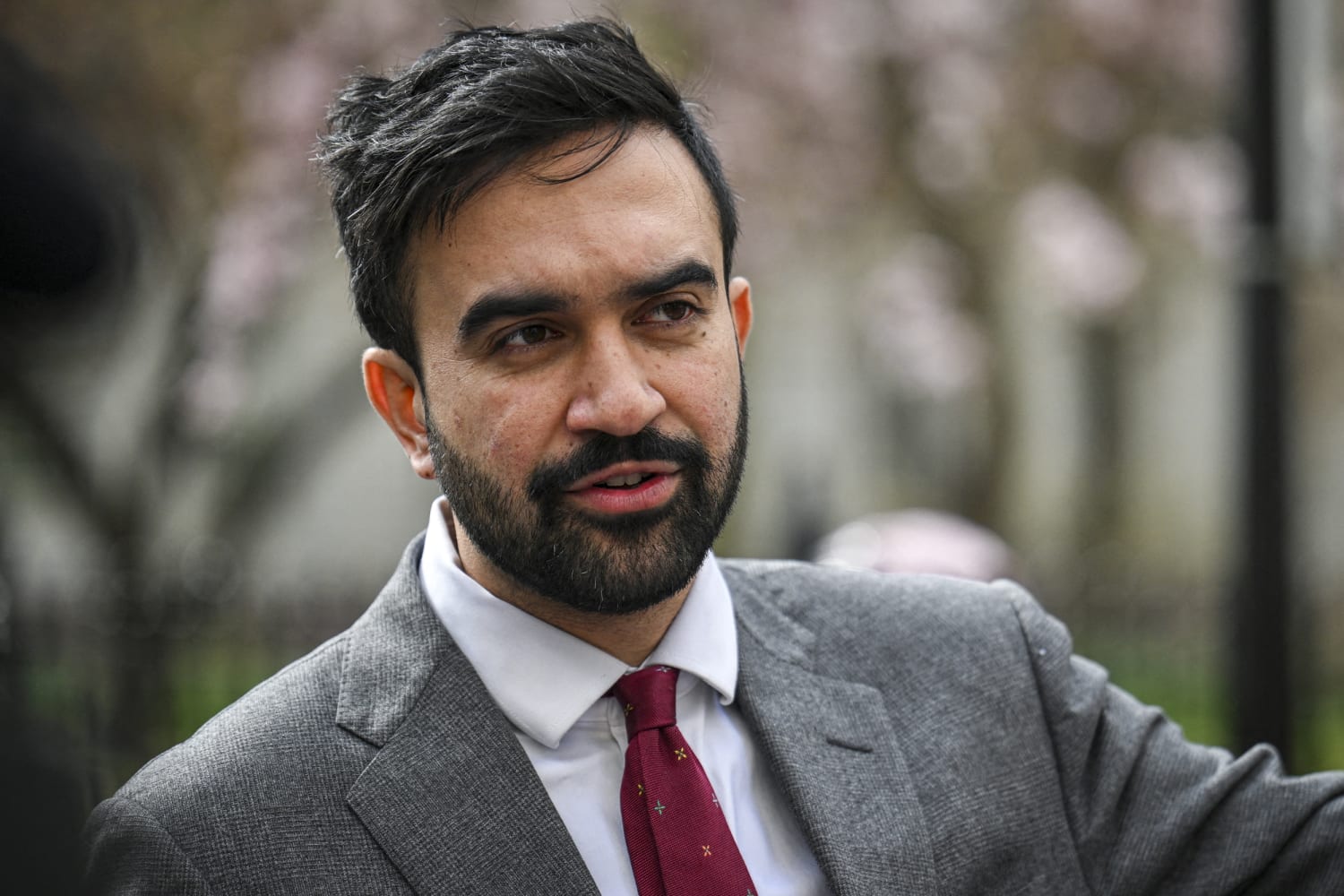
Mamdani’s political approach begins from a different premise. He has argued that New York’s affordability crisis requires more active government involvement, particularly in housing, childcare, and essential services. His supporters view these proposals as an attempt to address the financial pressures facing renters and working families. Critics question their costs, practical implementation, and potential consequences for businesses and taxpayers.
The disagreement is not simply about political language. It concerns how public resources should be used, which problems deserve immediate attention, and how city government should measure the success of its policies. For New Yorkers facing high rents, expensive groceries, and concerns about neighborhood safety, those questions have direct consequences.
One of the most sensitive subjects in Mamdani’s public life has been Islamophobia. He has spoken about growing up in the shadow of the September 11 attacks and experiencing suspicion and discrimination because of his Muslim identity. In a speech reported by CNN in October 2025, he described incidents affecting himself, members of his family, and people around him. He also discussed the wider experience of Muslim New Yorkers who continued to face hostility years after the attacks.
Those experiences have become part of a broader conversation about religious discrimination in the United States. Reports of anti-Muslim abuse and threats directed at Mamdani during his political rise demonstrated that the issue was not merely theoretical. City & State New York reported in March 2025 that his office had received racist and threatening voicemails, including messages containing explicit anti-Muslim abuse.
For Mamdani and those who share his concerns, confronting Islamophobia is a matter of protecting equal treatment and ensuring that Muslim residents can participate in public life without intimidation. The argument does not necessarily mean that other problems facing the city are less important. It places discrimination among the issues that government institutions should address.
Public safety, meanwhile, has remained another major source of political disagreement. Mamdani’s earlier statements supporting efforts to defund the police attracted criticism from opponents, particularly after serious incidents involving law enforcement brought questions about policing back into the political spotlight. During his 2025 mayoral campaign, he sought to clarify his position, stating that he was not running to defund the police.
The debate became especially sensitive following the July 2025 mass shooting in Manhattan that killed four people, including NYPD officer Didarul Islam. CNN reported that the tragedy prompted renewed discussions within Mamdani’s campaign about how to address the incident while maintaining its stated positions on policing and public safety. Mamdani subsequently met with the family of the fallen officer and publicly expressed sympathy for those affected.
The episode illustrated the difficulty of balancing different responsibilities in a large city. Residents expect police to respond effectively to violent crime, while also demanding that law enforcement operate within clear rules and respect individual rights. City leaders must address both expectations rather than treating them as mutually exclusive.
For working-class families, these debates often become personal. Parents want their children to travel safely to school, workers want reliable public transportation, and residents want their neighborhoods to remain secure. They also need affordable housing, accessible healthcare, and employment opportunities that allow them to support their families. A government that addresses only one part of this picture risks leaving other legitimate concerns unanswered.

That is where the political disagreement between Kennedy’s Republican approach and Mamdani’s progressive agenda becomes particularly relevant. Kennedy frequently emphasizes limited government, fiscal restraint, individual responsibility, and the consequences of public spending. Mamdani argues that government must take a more active role in addressing structural economic problems and protecting communities facing discrimination.
Neither set of priorities removes the need for practical answers. Proposals to expand public services require transparent funding plans and realistic assessments of their long-term costs. Calls for stronger public safety require measurable strategies, effective policing, and accountability when institutions fail. Efforts to combat religious discrimination require consistent protections for residents regardless of their faith or background.
The debate also raises a question about political representation. Working-class New Yorkers are not a single political constituency with identical priorities. Some may place public safety above all other concerns, while others may see housing costs, healthcare, or discrimination as their most urgent problems. Many experience several of these pressures simultaneously.
Consequently, political leaders should be prepared to explain how their policies address the full range of residents’ needs. A discussion about Islamophobia should not prevent questions about crime and public spending. Equally, concerns about policing should not be used to dismiss documented experiences of religious discrimination. Both subjects deserve examination based on evidence rather than political slogans.
The viral story of Kennedy placing victim statements on a desk in front of Mamdani may create the impression of a decisive confrontation, but that scene has not been independently verified. What can be examined is the documented disagreement over economic policy, policing, and discrimination, along with the public statements both politicians have made.
Ultimately, the central issue is not whether one politician can silence another with a memorable line. It is whether elected officials can demonstrate that their decisions improve the lives of the people they represent. For New York City residents, that means safer streets, affordable homes, equal protection under the law, and public services that deliver results.
Those expectations are not exclusive to one political party or ideology. They are the basic responsibilities against which every administration should be judged.
