
Elizabeth Wa.r.r.e.n was halfway through defending her committee’s investigative powers when Senator John Kenn.e.d.y placed a battered briefcase on the desk.
The Massachusetts senator had been outlining an aggressive oversight investigation involving private citizens, political donors, and confidential communications.
She argued that congressional investigators needed broad authority to uncover misconduct and demand accountability from powerful individuals.
But Kenn.e.d.y had been watching something entirely different.
A thick legal document rested inside his weathered briefcase, secured beneath several folders of congressional correspondence.
Across its cover appeared four words printed in dark red letters.
FEDERAL RECORDS PRESERVATION WARNING.
Kenn.e.d.y waited until Wa.r.r.e.n finished discussing the importance of compelling witnesses to produce relevant communications.
Then he slowly removed his glasses.
He placed them beside his microphone and opened the briefcase.
The fictional hearing room became noticeably quieter.
Kenn.e.d.y removed the warning and held it beneath the television cameras.
“Senator Wa.r.r.e.n, you’ve spent twenty minutes explaining why other people should surrender their records.”
He paused.
“I’d like to know whether you’re prepared to follow the same standard.”
Wa.r.r.e.n looked toward the document.
Kenn.e.d.y placed it directly in front of her.
The first page contained a formal request to preserve communications related to the committee’s proposed investigation.
The second identified categories of records that could become relevant to a legitimate review.
Emails.
Text messages.
Encrypted communications.
Meeting schedules.
Draft investigative memoranda.
And correspondence involving congressional staff and outside political organizations.
Kenn.e.d.y leaned toward his microphone.
“Before you demand everybody else’s private communications, let’s discuss what happened to yours.”
The room fell silent.
Wa.r.r.e.n responded that congressional investigations operated under established legal procedures.
She maintained that the committee’s requests would follow applicable rules and oversight responsibilities.
Kenn.e.d.y acknowledged that Congress possessed investigative authority.
But he questioned whether the same commitment to transparency applied to internal decisions about investigative targets.
He opened the first folder.
Its label read INVESTIGATION AUTHORIZATION.
Inside was a hypothetical committee memorandum describing the proposed inquiry’s initial objectives.
The memorandum identified several private individuals whose financial activities had attracted political attention.
It also described potential requests for banking documents, communications, and business records.
Kenn.e.d.y pointed toward the first paragraph.
“These are people who haven’t been charged with any crime in this proceeding.”
Wa.r.r.e.n acknowledged that congressional oversight did not require every subject to face criminal charges.
She argued that lawmakers could examine matters relevant to legitimate legislative purposes.
Kenn.e.d.y agreed.
Then he tapped the memorandum.
“But congressional authority isn’t permission to punish somebody because you dislike their politics.”
The committee’s legal counsel leaned toward the microphone.
He explained that congressional investigations must serve legitimate legislative purposes and respect applicable constitutional protections.
Committees could request relevant records.
They could also issue subpoenas when properly authorized.
But their authority was not unlimited.
Kenn.e.d.y nodded.
“Then let’s find out how the targets were selected.”
He opened the second folder.
Its cover read INTERNAL COMMUNICATIONS.
The documents contained a hypothetical chronology of meetings preceding the committee’s investigative announcement.
One entry described a conversation between committee staff and outside political advocates.
Another concerned a draft list of potential investigative subjects.
A third referred to a strategy meeting about the investigation’s public presentation.
Kenn.e.d.y arranged the documents beneath the cameras.
“Senator, were these individuals selected because of evidence, or because somebody wanted a political spectacle?”
Wa.r.r.e.n rejected the suggestion that political disagreement alone established improper investigative motives.
She maintained that oversight decisions required examining relevant facts and legislative concerns.
Kenn.e.d.y acknowledged the answer.
But he returned to the chronology.
“Then the underlying communications should help establish what those concerns actually were.”
Wa.r.r.e.n responded that internal congressional communications could involve legitimate confidentiality and constitutional protections.
The legal counsel confirmed that certain congressional materials might receive protection under the Speech or Debate Clause.
Other records could raise privilege, privacy, or institutional separation questions.
Kenn.e.d.y accepted that distinction.
But he emphasized that preserving records and publicly surrendering every document were not identical obligations.
He returned to the warning.
“Nobody’s asking you to pretend the law doesn’t exist.”
He paused.
“I’m asking whether relevant evidence is being preserved while the legal questions are resolved.”
The fictional hearing became tense.
Wa.r.r.e.n looked toward the preservation document.
The warning instructed potential record custodians to avoid deleting or altering communications that could become relevant to an authorized investigation.
It also recommended identifying applicable retention requirements before changing ordinary document-management practices.
The document did not establish that Wa.r.r.e.n had destroyed anything.
Nor did it demonstrate that a federal prosecutor had opened a criminal investigation against her.
But Kenn.e.d.y wanted the committee to confront a specific hypothetical discrepancy.
He reached into the third folder.
Its label read MISSING MESSAGE HISTORY.
Inside was an internal records inventory prepared for the imagined inquiry.
The inventory identified several communications that staff had referenced but had not yet located.
One concerned a meeting invitation.
Another involved a draft investigative memorandum.
A third referred to communications between committee staff and an outside organization.
Kenn.e.d.y pointed toward the incomplete entries.
“These records were referenced in other documents, but the inventory doesn’t show where they are.”
Wa.r.r.e.n examined the summary.
She questioned whether the missing entries represented deleted communications or merely incomplete administrative searches.
The legal counsel explained that the distinction was essential.
A missing document could reflect ordinary filing errors, retention policies, inaccessible accounts, or incomplete collection procedures.
It could also justify additional preservation steps.
But its absence did not automatically establish intentional destruction.
Kenn.e.d.y nodded.
“Then somebody needs to establish which explanation applies.”
He turned toward Wa.r.r.e.n.
“Would you agree that records shouldn’t disappear while Congress is examining whether an investigation was properly authorized?”
Wa.r.r.e.n answered that applicable preservation requirements should be followed.
Kenn.e.d.y placed a red marker beside the incomplete entries.
“Good. Then let’s examine what happened next.”
He opened the fourth folder.
Its label read THE SECOND DRAFT.
Inside were two versions of the proposed investigative memorandum.
The first identified broad financial transparency concerns.
The second contained more pointed language about particular political organizations and private citizens.
Kenn.e.d.y placed the drafts side by side.
The revised language appeared more accusatory.
But neither version explained who had requested the changes.
Kenn.e.d.y looked toward the legal counsel.
“Can we identify who approved these revisions?”
The counsel examined the hypothetical document history.
He answered that the available record did not establish the responsible editor.
Kenn.e.d.y turned toward Wa.r.r.e.n.
“Then shouldn’t the committee preserve the communications explaining why the language changed?”
Wa.r.r.e.n responded that ordinary drafting revisions did not automatically indicate improper conduct.
Kenn.e.d.y acknowledged that point.
But he argued that identifying the decision-making process could help distinguish legitimate oversight from politically motivated targeting.
The counsel agreed that context mattered.
He emphasized that any request for additional records needed a lawful basis and appropriate scope.
Kenn.e.d.y returned to the preservation warning.
The next page described the importance of preserving potentially relevant electronically stored information.
It identified emails, attachments, messages, and document revisions.
The warning also cautioned against altering records after a legally applicable preservation duty arose.
Kenn.e.d.y raised the document.
“Senator, here’s the part that matters.”
He paused.
“Preservation doesn’t mean admitting wrongdoing.”
He looked toward the missing communications inventory.
“It means making sure the evidence remains available so the truth can be established.”
Wa.r.r.e.n acknowledged the distinction.

But she questioned whether Kenn.e.d.y was attempting to transform administrative uncertainties into accusations of criminal misconduct.
Kenn.e.d.y responded that he was seeking an explanation rather than announcing a criminal conclusion.
The exchange moved toward a more serious question.
What legal authority would actually justify compelling internal congressional communications?
The counsel explained that congressional offices operated under specialized constitutional and institutional rules.
Records created during legislative activities could implicate the Speech or Debate Clause.
That protection could affect whether certain materials were subject to outside investigative demands.
Kenn.e.d.y acknowledged that prosecutors could not simply ignore those protections.
But he emphasized that constitutional privilege did not authorize ordinary evidence destruction.
The counsel agreed that applicable preservation duties and disclosure obligations required separate legal analysis.
Wa.r.r.e.n pointed toward the warning.
“Then this document shouldn’t be presented as an automatic federal subpoena.”
Kenn.e.d.y examined the page.
He acknowledged that a preservation notice was not equivalent to a court order compelling immediate production.
It also did not eliminate applicable privileges.
But he maintained that the underlying question remained important.
If the records were relevant to an authorized inquiry, the responsible custodians needed to understand their obligations.
The chairman asked whether the committee possessed evidence that any relevant communication had been intentionally erased.
The counsel answered no.
The hypothetical record established unresolved gaps in the inventory.
It did not establish deliberate deletion, concealment, or obstruction.
Kenn.e.d.y accepted the clarification.
Then he reached into the briefcase again.
The final folder contained a proposed response to the preservation issue.
Its label read CHAIN OF CUSTODY.
Kenn.e.d.y placed it beside the warning.
The document proposed identifying the custodians responsible for the missing records.
It also requested preservation of available versions while the committee determined which materials could lawfully be reviewed.
The proposed process included documenting search methods and identifying applicable confidentiality protections.
Kenn.e.d.y explained that these steps could help prevent uncertainty from becoming an institutional dispute.
Wa.r.r.e.n examined the proposal.
She questioned whether the requested scope was unnecessarily broad.
Kenn.e.d.y responded that the committee could narrow its request to communications directly connected to the investigative authorization.
The counsel suggested identifying a specific date range and relevant decision-making subjects.
He also recommended independent review of privilege claims before any compelled disclosure.
Kenn.e.d.y acknowledged the recommendations.
The chairman instructed staff to prepare a revised preservation and records-review proposal.
That action changed the direction of the fictional hearing.
The disagreement was no longer simply about whether Wa.r.r.e.n could investigate private citizens.
It concerned whether the committee could establish a reliable record of how its own investigation had been developed.
But Kenn.e.d.y had one final concern.
He returned to the first investigative memorandum.
The document described proposed demands for private financial records.
Some of those records belonged to individuals who had not been accused of criminal misconduct.
Kenn.e.d.y pointed toward the page.
“Senator, when government investigators demand private records, they exercise enormous institutional power.”
Wa.r.r.e.n acknowledged that investigative authority carried responsibilities.
Kenn.e.d.y continued.
“Then shouldn’t the people exercising that power be prepared to explain how their decisions were made?”
Wa.r.r.e.n answered that appropriate accountability mechanisms were necessary.
But she emphasized that congressional investigators also required protection from political retaliation.
Kenn.e.d.y agreed that oversight should not become a tool for punishing lawmakers merely because others disliked their questions.
The counsel reinforced the distinction.
Congressional investigations must operate within their lawful authority.
Outside investigations must also respect constitutional protections.
Neither institution could claim unlimited power over the other.
Kenn.e.d.y returned to the two versions of the committee memorandum.
He asked whether the record established that Wa.r.r.e.n personally ordered an improper investigation.
The counsel answered that it did not.
The available documents raised questions about the authorization process.
They did not prove criminal conduct or deliberate misuse of committee powers.
Kenn.e.d.y nodded.
“Then let’s stop arguing about accusations and identify what the documents can actually establish.”
He pointed toward the revised preservation proposal.
Its purpose was to protect relevant information while legal and factual questions remained unresolved.
Wa.r.r.e.n maintained that any process needed to respect the rights of committee members and private citizens alike.
Kenn.e.d.y acknowledged that requirement.
The chairman requested a final recommendation.
The counsel proposed a limited review focusing on the origins of the investigative target list.
The review would identify which staff members possessed relevant records.
It would preserve materials subject to applicable legal obligations.
And it would distinguish legitimate privileged communications from records that could lawfully be produced.
The chairman directed staff to draft the necessary language.
The fictional confrontation had produced a concrete procedural decision.
But Kenn.e.d.y was not finished.
He slowly gathered the investigative documents.
Then he placed the federal preservation warning directly in front of his microphone.
Wa.r.r.e.n watched as he turned to the final page.
The document contained one sentence emphasizing the importance of preserving potentially relevant evidence.
Kenn.e.d.y looked toward her.
“Senator, you’ve argued that private citizens should comply with legitimate congressional investigations.”
Wa.r.r.e.n acknowledged the principle.
He continued.
“And you’ve argued that the public deserves answers when powerful people appear to conceal important information.”
She agreed that transparency could be essential to public accountability.
Kenn.e.d.y paused.
“Then the same commitment to preserving relevant records should apply when the questions involve decisions made inside Congress.”
The room became quiet.
Wa.r.r.e.n responded that congressional records were subject to specialized legal protections.
Kenn.e.d.y acknowledged those protections.
But he maintained that lawful safeguards should not be confused with permission to destroy relevant evidence.
The chairman prepared to close the hearing.
Kenn.e.d.y raised one hand.
He requested permission for a final statement.
The chairman nodded.
The Louisiana senator slowly removed his glasses.
He placed them beside the battered briefcase.
Then he leaned toward his microphone.
“Senator Wa.r.r.e.n, you can challenge whether a document is privileged.”
He paused.
“You can challenge whether a subpoena is lawful.”
He turned the preservation notice toward the cameras.
“But those arguments are different from deciding that relevant records should no longer exist.”
The fictional chamber remained silent.
Kenn.e.d.y looked directly toward Wa.r.r.e.n.
Then he delivered his final warning.
“You can challenge the investigation, Senator Wa.r.r.e.n, but erasing a paper trail will never protect anyone from a lawful federal investigation.”
Wa.r.r.e.n responded that she had not admitted to deleting or concealing any relevant records.
She maintained that lawful preservation obligations should be followed while constitutional protections remained respected.
Kenn.e.d.y acknowledged that no evidence presented during the hearing established deliberate destruction.
But he insisted that the committee needed a documented explanation for the unresolved records inventory.
The chairman brought the fictional confrontation to a close.
The preservation warning remained on the table.
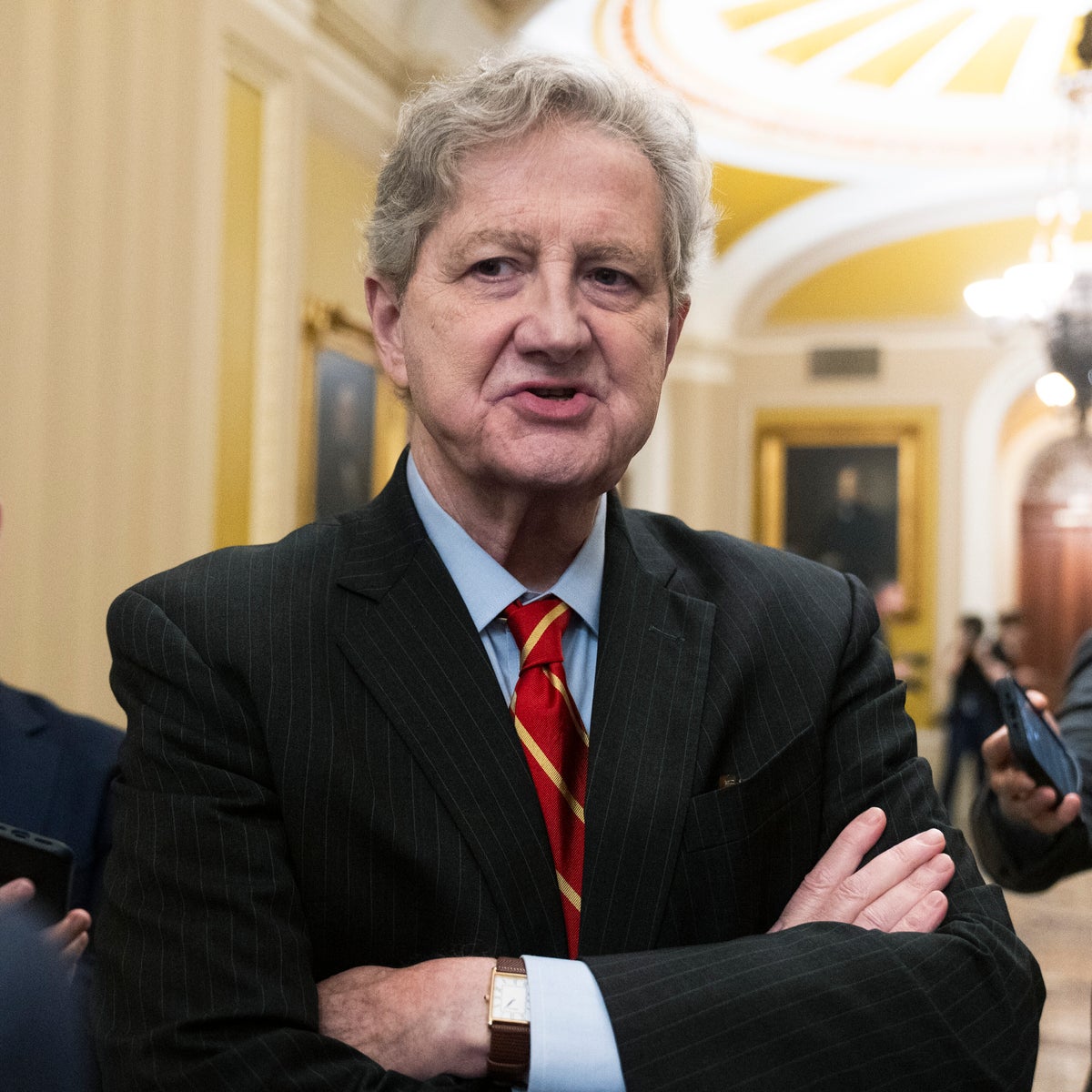
The committee had not established that Wa.r.r.e.n committed a crime.
It had not demonstrated that she personally deleted communications.
Nor had the proceedings established that a federal prosecutor had opened a case against her.
But the imagined inquiry had raised a serious question about how congressional investigators preserved records concerning their own decisions.
The committee’s next step would involve identifying relevant custodians and documenting the records-review process.
Any compelled disclosure would remain subject to applicable constitutional protections.
The investigators would also need to distinguish ordinary administrative omissions from evidence of intentional misconduct.
Those distinctions mattered because preservation and guilt were not the same thing.
A records gap could justify additional examination without proving wrongdoing.
A lawful privilege claim could limit disclosure without establishing concealment.
And a legitimate investigation could require safeguards protecting both the subjects and the officials conducting it.
Kenn.e.d.y closed the battered briefcase.
Wa.r.r.e.n gathered her prepared documents.
The chairman dismissed the hearing while the proposed preservation review remained before committee staff.
The confrontation had begun with an accusation that congressional power was being used against private citizens.
It ended with a narrower, consequential demand.
The committee needed an accurate account of how investigative decisions had been made and which records supported them.
That process would not automatically vindicate either senator.
But it could help distinguish lawful oversight from improper political targeting.
The warning on the table had not decided anyone’s guilt.
Its importance lay in the obligation to protect evidence while legitimate questions were examined.
Because public accountability means little if the people demanding everyone else’s records refuse to explain how their own investigations were conducted. swaggered into the committee, aggressively planning to weaponize her chairmanship to target private citizens. She expected to destroy political enemies with absolute impunity. She made a humiliating, fatal mistake. Senator John Kenn.e.d.y refused to play her pathetic theatrical game. Radiating the terrifying calm of a silent assassin, he completely hijacked the room. The chamber choked in a paralyzing, dead silence as he pulled a massive legal warning from his battered briefcase. Kenn.e.d.y aggressively shoved the federal preservation notice into the blinding light. He methodically demanded she surrender her hidden communications, ruthlessly paralyzing her corrupt agenda on live television. Wa.r.r.e.n was left utterly speechless. Discover his exact devastating final sentence waiting right here in the comments!
