
Representative Seth Moulton delivered a pointed challenge to Defense Secretary Pete Hegseth during a congressional hearing, questioning his leadership, military judgment, and handling of America’s increasingly costly war with Iran.
The Massachusetts Democrat, a decorated Marine Corps veteran who served four tours in Iraq, confronted Hegseth over battlefield strategy, taxpayer expenses, and decisions affecting experienced military commanders.
The April 29, 2026, confrontation unfolded before the House Armed Services Committee, where Hegseth faced sustained questioning about the administration’s military operations and strategic objectives.
Moulton accused the defense secretary of incompetence, arguing that his management of the Pentagon had undermined military readiness while exposing American troops to unnecessary danger.
The exchange became especially tense when Moulton questioned whether Hegseth understood how much the Iran conflict was costing ordinary taxpayers and demanded a justification for those expenditures.
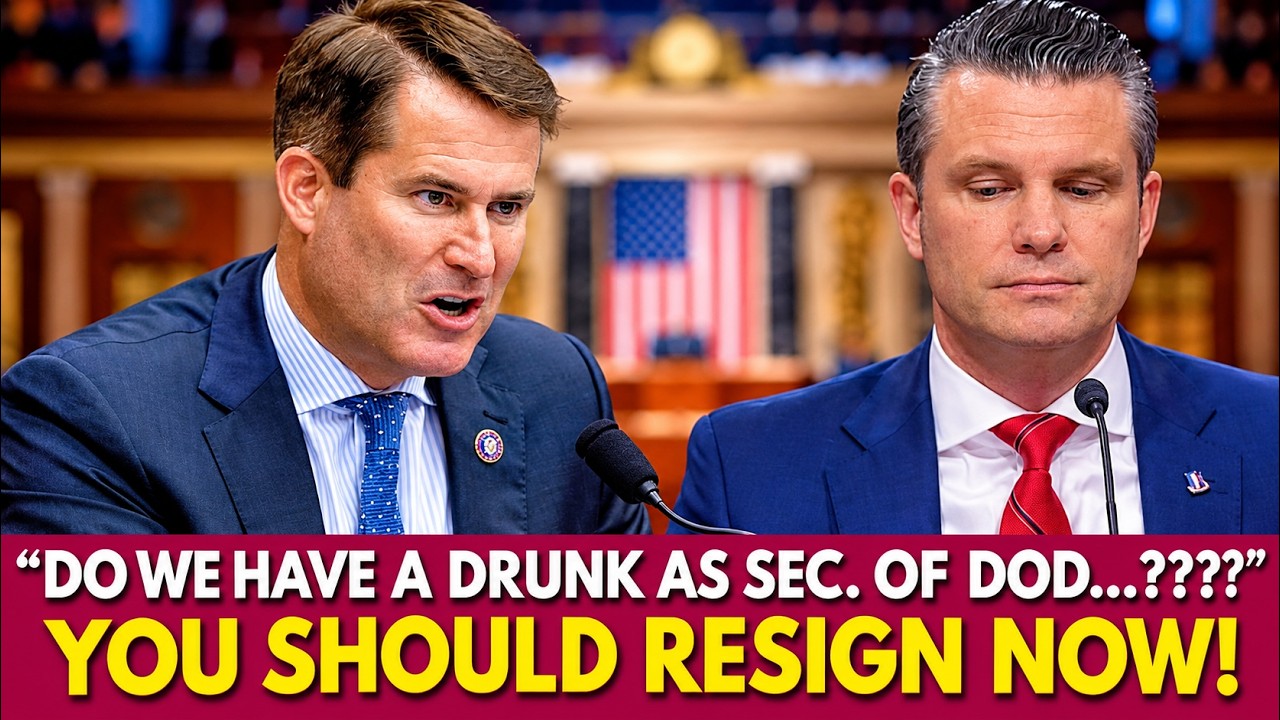
Hegseth defended the administration’s military objectives, responding with a question of his own about the potential consequences of allowing Iran to acquire nuclear weapons.
The confrontation was documented, but sensational descriptions of Hegseth turning purple, becoming speechless, or visibly panicking are not established by the available hearing record.
What emerged instead was a substantive disagreement between two combat veterans over military leadership, strategic accountability, and the responsibilities of officials entrusted with American national security.
Moulton entered the confrontation with an unusual combination of military experience and congressional oversight responsibilities, giving his criticism particular significance within the Armed Services Committee.
Before entering Congress, he served in the Marine Corps during the Iraq War, participating in demanding combat operations and receiving military decorations recognizing his service.
Hegseth also served in the military, including deployments to Iraq and Afghanistan, and has frequently emphasized his combat experience while defending his leadership philosophy.
Their disagreement therefore cannot be explained simply as a conflict between someone familiar with military service and someone who has never experienced it.
Instead, the dispute concerns competing interpretations of effective military leadership, the importance of experienced commanders, and the proper relationship between political objectives and operational decisions.
Moulton has repeatedly argued that successful military leadership requires strategic discipline, professional accountability, and a willingness to receive difficult advice from experienced officers.
Hegseth has emphasized restoring military standards, eliminating what he considers unnecessary bureaucracy, and ensuring that senior commanders support the administration’s national security priorities.
Those competing perspectives became increasingly visible during Hegseth’s first year leading the Pentagon, particularly after a series of personnel changes affecting senior military leadership.
In May 2025, Moulton criticized plans to reduce the number of senior general and flag officers, questioning whether the reductions reflected operational requirements or political preferences.
He acknowledged that the military could benefit from reducing unnecessary senior positions, but argued that such reforms needed clear strategic justification.
His concern was that removing experienced commanders without transparent explanations could weaken institutional knowledge and discourage officers from offering independent professional assessments.
Hegseth defended organizational changes as part of a broader effort to make the military more efficient, responsive, and focused on combat effectiveness.
The distinction became central to their continuing disagreement because civilian leaders possess authority over military organization, but effective decision-making also depends on informed professional advice.
Moulton warned that commanders might become reluctant to challenge questionable decisions if they believed their careers depended primarily on political agreement with civilian officials.
That concern intensified after several high-profile military personnel changes attracted scrutiny from lawmakers and national security observers during the administration’s second year.
For Hegseth’s supporters, leadership changes were evidence of accountability and a willingness to challenge established Pentagon practices that they believed required reform.
For critics, the same decisions raised questions about continuity, operational readiness, and whether experienced officers were being removed for reasons unrelated to military performance.
The disagreement was already substantial before Moulton and Hegseth faced one another during the April hearing, but the Iran conflict made the stakes considerably higher.
The war had begun approximately two months earlier, generating questions about its financial burden, strategic objectives, and consequences for American military personnel.
During the hearing, Moulton estimated that the campaign had already cost approximately $100 billion, translating that figure into an estimated burden of roughly $600 per American taxpayer.
His calculation was intended to make the enormous scale of military spending understandable to households confronting rising costs for everyday necessities.
Moulton questioned whether Americans had the financial resources to absorb those expenditures while the administration pursued additional military funding and domestic spending changes.
Hegseth responded by shifting attention toward Iran’s nuclear ambitions, asking what the consequences would be if Tehran obtained a nuclear weapon.
The response reflected the administration’s argument that military expenditures must be evaluated against the potential costs of allowing significant national security threats to develop.
But Moulton’s question concerned the present financial burden, creating a disagreement over whether projected security benefits justified the war’s immediate economic consequences.
The competing figures also required careful distinction because Moulton’s estimate differed substantially from the Pentagon’s publicly reported accounting of direct military expenditures at that stage.
Pentagon officials identified approximately $25 billion in costs during the April hearing, while Moulton’s larger estimate reflected a broader assessment of the campaign’s financial burden.
Those calculations were not necessarily measuring identical categories of spending, making it important to distinguish direct expenditures from wider operational and economic costs.
The disagreement illustrated why congressional oversight of military budgets requires detailed accounting rather than relying exclusively on competing headline figures.
Moulton also criticized Hegseth’s public statements concerning rules of engagement, particularly language the defense secretary had used to emphasize maximum battlefield effectiveness.
The congressman argued that military personnel must operate within applicable laws governing armed conflict, including protections for civilians and restrictions on unlawful orders.
Hegseth has maintained that military forces should operate with clear objectives and avoid unnecessary restrictions that could undermine their ability to defeat legitimate threats.
That position does not eliminate legal obligations governing targeting, proportionality, military necessity, and the treatment of civilians during armed conflict.
Moulton accused the secretary of promoting an attitude toward battlefield rules that could weaken important safeguards and expose American personnel to legal and operational risks.
He also challenged the administration’s decision to pursue exceptionally large defense budgets while Americans faced pressure from healthcare costs and other domestic expenses.
After the hearing, Moulton issued a statement accusing Hegseth of serious incompetence and describing the administration’s handling of the conflict as strategically inadequate.
His criticism was a political assessment from a congressional opponent, not an independent legal finding that Hegseth had committed misconduct or violated specific military regulations.
The confrontation nevertheless gained significance because it connected Moulton’s longstanding concerns about Pentagon leadership directly to an active and costly military campaign.
Earlier controversies had already created questions about how Hegseth handled sensitive information, particularly following disclosures involving military planning discussions conducted through the Signal messaging application.
In March 2025, reports revealed that senior administration officials had discussed impending military strikes against Houthi targets in Yemen through a Signal group conversation.
A journalist had been inadvertently included in the exchange, prompting concern about whether sensitive operational details had been handled through appropriate government communication systems.
Moulton called for Hegseth’s resignation, arguing that senior military officials should be held to standards at least as strict as those imposed on junior service members.
Hegseth disputed accusations that classified war plans had been improperly disclosed, while administration officials defended the operation and questioned aspects of the reporting.
The episode became another point of disagreement about whether officials responsible for enforcing military discipline were consistently meeting the requirements imposed on personnel.
During a subsequent congressional appearance, Moulton pressed Hegseth about whether he would accept responsibility if investigators determined that sensitive information had been mishandled.
Hegseth replied that he served at the pleasure of the president, emphasizing the constitutional relationship between the commander in chief and his civilian defense secretary.
Moulton challenged whether presidential confidence was sufficient accountability when questions involved security procedures and the handling of operationally sensitive military information.
Their exchanges established a continuing conflict over leadership standards rather than a single isolated argument that began with the April 2026 Iran hearing.
Another dispute followed Hegseth’s September 2025 address to senior military commanders, during which he emphasized physical fitness, military culture, and more demanding standards.
Moulton criticized the speech as overly political, arguing that the Pentagon’s senior leadership should concentrate on strategy and operational effectiveness rather than ideological confrontation.
Hegseth’s defenders maintained that restoring demanding standards was a legitimate civilian leadership objective and that organizational reform could strengthen military performance.
Those disagreements formed the background to the April confrontation, when Moulton demanded answers about whether the department’s leadership decisions were delivering measurable strategic results.
The latest developments have brought those questions into sharper focus following the November 3 midterm elections, which changed congressional control and increased scrutiny of the Iran war.
Democratic lawmakers have indicated that Pentagon operations and the administration’s military strategy will become major subjects of congressional oversight when the new Congress convenes.
The controversy also reached the House floor on November 10, when Republican Representative Thomas Massie pursued articles of impeachment against Hegseth.
Massie’s resolution accused the defense secretary of misconduct involving the Iran war, other military operations, and the executive branch’s constitutional obligations.
The House voted 211–204 to refer the impeachment resolution to the Judiciary Committee, effectively preventing an immediate impeachment vote during the current congressional session.
That result did not establish that the allegations were unfounded, nor did it constitute a vote formally determining whether Hegseth had committed impeachable offenses.
Hegseth rejected the accusations and maintained that the military operations at issue were lawful, authorized by the president, and consistent with national security objectives.
The impeachment dispute was separate from Moulton’s earlier committee confrontation, but it demonstrated how questions concerning Hegseth’s leadership had expanded beyond routine oversight hearings.
Moulton’s criticisms remained particularly relevant because they focused on the practical consequences of leadership decisions rather than relying exclusively on disagreements about political messaging.
His questions concerned whether military operations had achievable objectives, whether commanders retained appropriate professional independence, and whether taxpayers were receiving adequate explanations of spending.
Those questions do not automatically establish that Hegseth’s policies have failed, but they identify matters Congress can investigate through hearings, budget reviews, and official records.
For the defense secretary, the challenge is demonstrating that organizational changes and military operations strengthen national security while remaining consistent with legal requirements.
For Moulton, the challenge is supporting his criticisms with evidence showing how specific decisions have affected readiness, operational effectiveness, and the welfare of service members.
The disagreement also illustrates the importance of separating military experience from the broader qualifications required to oversee a complex federal department.
Combat service can provide valuable insight, but leading the Pentagon also requires management of budgets, international alliances, military personnel, and complicated strategic decisions.
Both men have military backgrounds, yet their public disagreement demonstrates that combat veterans can reach sharply different conclusions about civilian control and effective leadership.
As of November 13, Hegseth remains defense secretary, and no authenticated recording establishes that Moulton’s questioning caused the dramatic physical reaction described in viral accounts.
The verified confrontation shows Moulton challenging Hegseth over the Iran war, spending, civilian protections, and leadership decisions, while Hegseth defended the administration’s national security approach.
The larger significance lies in whether those disagreements produce meaningful congressional scrutiny and clearer explanations of the choices being made by senior Pentagon officials.
For American service members, the consequences involve operational readiness, reliable leadership, effective planning, and confidence that military decisions are being made responsibly.
For taxpayers, they involve whether increasingly expensive military operations are justified by clearly defined objectives and adequately monitored spending.
Moulton’s confrontation did not produce an immediate resignation or an official finding against Hegseth, but it placed several consequential questions before Congress.
The central question is whether the Pentagon can demonstrate that its policies are improving military effectiveness while addressing legitimate concerns about strategic direction and institutional accountability.
And as congressional oversight intensifies, the lasting measure of the confrontation will not be a dramatic television image, but the evidence lawmakers obtain about the Pentagon’s leadership and performance.
